It takes little time to set up a shopify store, but designing a storefront that actually works for a brand is an altogether different job. Shoppers observe everything from the first impression created by the homepage, to how effortlessly they can browse, compare products and pay.
This is why a professional Shopify web agency usually follows a structured theme customization workflow rather than making random design changes as they go.
A good workflow balances brand identity, user experience, performance, SEO, and Shopify’s technical capabilities. It also helps prevent a common problem in ecommerce projects: creating a beautiful storefront that becomes difficult to maintain later.
Start With Discovery and Store Requirements
Before touching the theme, the agency needs to understand the business.
This typically includes learning about the target audience, product catalog, brand personality, competitors, existing website performance, and business goals. An agency may also review the store’s analytics to understand where customers currently enter, browse, and leave.
The discovery stage helps answer practical questions.
Does the business need a simple product catalog or a complex merchandising structure? Are customers mainly purchasing from mobile devices? Does the brand require custom product options? Are there specific apps or third-party systems that need to connect with the store?
These details influence the customization strategy.
Audit the Existing Shopify Theme
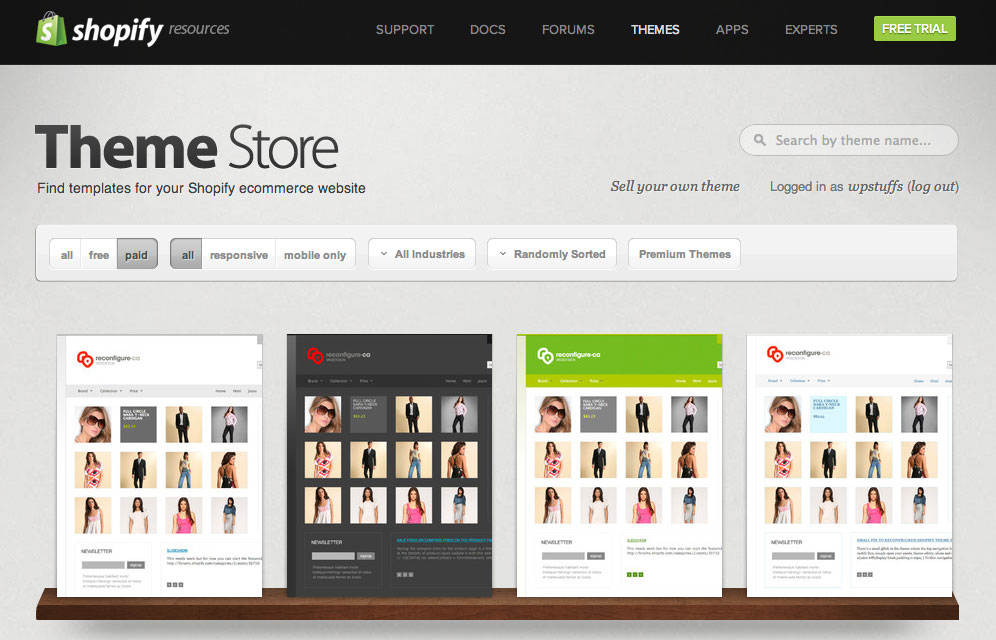
Analyzing an existing Shopify store themeIf the store already has a theme, the next step is usually an audit.
The agency examines the theme’s templates, sections, settings, apps, custom code, and responsive behavior. It also looks for unnecessary modifications that could create problems during future updates.
Why Theme Audits Matter
A store can also build up lots of little customizations. One developer will add custom code. Another will install an app. Another may change a template.
These above changes can eventually make the theme very difficult to grasp and support.
A Shopify web agency can use the audit to identify what should be retained, improved, replaced, or rebuilt.
Translate the Brand Into a Design System
Once the technical foundation is understood, the design work becomes more focused.
The agency typically defines elements such as typography, colors, spacing, buttons, imagery, cards, product layouts, and navigation styles.
The goal is consistency.
A customer should feel that the homepage, collection pages, product pages, and supporting content belong to the same brand.
Design for Real Shopping Behavior
Ecommerce design is different from designing a brochure website.
Visitors need to understand products quickly. Product photography, pricing, variants, availability, shipping information, reviews, and calls to action need to be presented clearly.
A good agency therefore considers the entire shopping journey rather than concentrating only on the homepage.
Customize Shopify Sections and Templates
Shopify themes provide configurable sections that can be adapted to suit a store’s requirements.
Agencies can customize these sections and, when necessary, create additional functionality using Shopify’s supported development capabilities.
This is where the store starts moving beyond a generic theme.
For example, a brand might need a specialized product information area, custom promotional section, unique collection layout, or merchandising component.
The important consideration is to customize only where the change adds genuine value.
Too much unnecessary customization can increase development and maintenance costs.
Optimize the Mobile Experience
Responsive website optimized for mobile usersMobile usability should be tested throughout the workflow rather than at the very end.
Navigation, product images, buttons, filters, forms, typography, and promotional banners can behave differently on smaller screens.
A layout that looks excellent on a large monitor may feel crowded on a smartphone.
A professional agency tests different breakpoints and interactions to make sure customers can browse and purchase comfortably regardless of device.
Connect Apps and External Services
Most Shopify stores depend on more than the Shopify platform itself.
Businesses may use email marketing platforms, customer relationship management systems, review tools, analytics platforms, inventory systems, shipping services, and other applications.
The agency needs to consider how these integrations affect the customer experience and site performance.
This can also include a Webflow integration when a business uses Webflow for specific marketing experiences or content while Shopify handles ecommerce functionality.
The exact architecture depends on the business requirements, but the principle remains the same: integrations should solve a genuine business need without unnecessarily complicating the storefront.
Test Before Launch
Testing is one of the most important stages of theme customization.
The agency should check navigation, product variants, search, filters, forms, cart functionality, responsive layouts, images, links, and important integrations.
SEO-related elements should also be reviewed, including page titles, metadata, heading structures, URLs, internal links, and redirects where applicable.
Test the Customer Journey
It is easy to test whether a button works.
It is more valuable to test the complete journey.
Can a new visitor find a product? Can they understand the product details? Can they select a variant? Can they add the item to the cart? Can they complete the purchase without confusion?
Looking at the store from the customer’s perspective can uncover issues that technical testing alone may miss.
Advantages and Challenges of Theme Customization
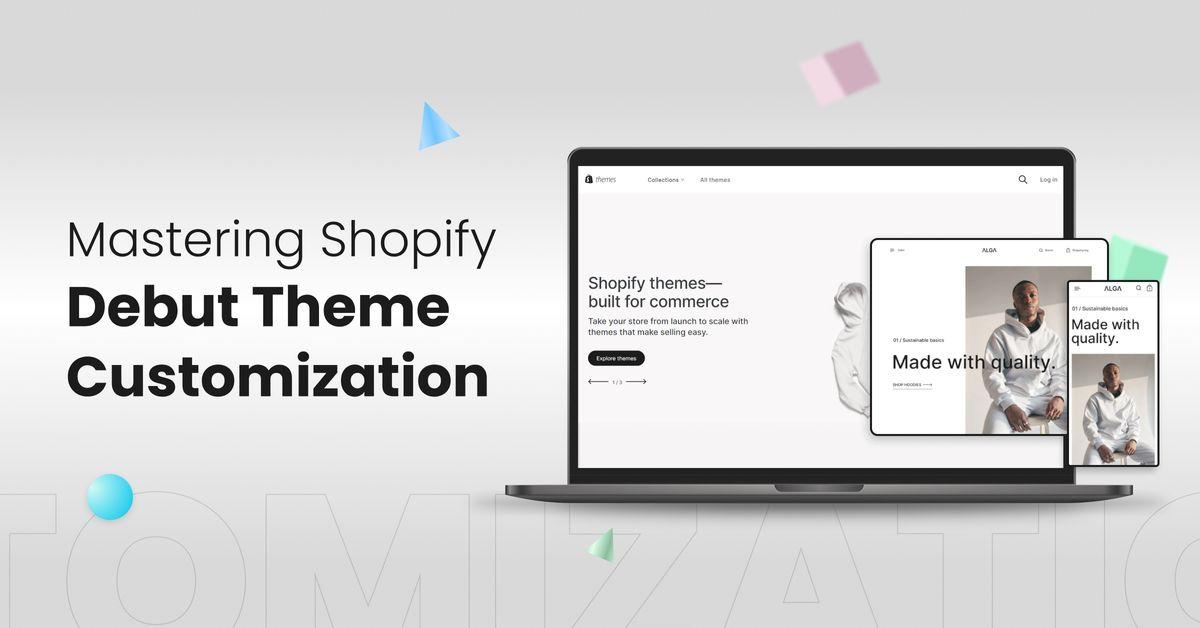
Shopify theme customization for flexible ecommerce designCustomizing an existing Shopify theme can be more efficient than building an entire storefront from the ground up. It can provide a recognizable foundation while allowing the brand to create a more distinctive experience.
However, customization has limits. Extensive changes can make a theme harder to maintain, particularly when custom code and multiple third-party apps are involved.
For businesses with highly specialized requirements, a more extensive development approach may make sense.
The right choice depends on the store’s goals, complexity, budget, and long-term plans.
FAQs About Shopify Theme Customization
How long does Shopify theme customization take?
The timeline depends on the number of templates, design changes, custom functionality, integrations, and testing requirements. A relatively simple customization project may take much less time than a highly customized ecommerce experience.
Should a Shopify store use a custom theme?
Not every store needs a completely custom theme. A well-selected existing theme can be sufficient for many businesses. Custom development becomes more relevant when a store has unique requirements that standard theme functionality cannot address effectively.
Can theme customization affect SEO?
Yes. Changes to navigation, URLs, content structure, page templates, performance, and internal linking can influence search performance. SEO should therefore be considered throughout the customization process.
Conclusion

A successful Shopify theme customization project is not simply about changing colors, fonts, or layouts. It is a structured process that starts with understanding the business and ends with testing the complete customer experience.
A capable Shopify web agency typically combines discovery, theme auditing, design system development, section customization, mobile optimization, integrations, SEO considerations, and thorough testing.
The result should be more than an attractive storefront. It should be a Shopify store that feels consistent with the brand, works smoothly for customers, remains manageable for the business, and provides a solid foundation for future growth.