Palm oil is one of the most commonly used edible oils in Pakistan due to its affordability, availability, and suitability for high-heat cooking. Brands like Madinah Pvt Ltd play an important role in supplying quality edible oil products to households and the food industry. Despite its widespread use, palm oil often faces criticism and confusion regarding its safety, leading many consumers to question whether it is healthy or harmful.
This article clears the confusion by separating facts from myths about palm oil so you can make informed and confident choices for your family.
What Is Palm Oil?
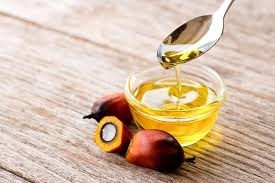
Palm oil is a vegetable oil extracted from the fruit of oil palm trees (Elaeis guineensis). It is naturally semi-solid at room temperature and contains beneficial compounds such as beta-carotene and vitamin E. Palm oil is widely used in cooking, frying, baking, and food manufacturing across Pakistan.
Its stability and long shelf life make it a preferred option for both domestic and commercial use.
Common Myths About Palm Oil
Misinformation has created unnecessary fear around palm oil. Let’s address some common myths:
Myth 1: Palm Oil Is Extremely Unhealthy
Palm oil does contain saturated fat, but not all saturated fats affect the body in the same way. When consumed in moderation, palm oil does not automatically increase the risk of heart disease.
Myth 2: Palm Oil Is Artificial or Chemical-Based
Palm oil is extracted from natural fruit. Like other edible oils, it is refined to remove impurities and improve safety, stability, and taste.
Myth 3: Palm Oil Causes Weight Gain
Weight gain is linked to excessive calorie intake and lack of physical activity—not a single ingredient. Any oil, if overused, can contribute to excess calories.
Health Facts About Palm Oil
Scientific studies highlight several benefits of palm oil when used responsibly:
Contains Antioxidants
Palm oil is rich in tocotrienols, a form of vitamin E that helps protect cells from oxidative stress.
Stable at High Temperatures
Palm oil has a high smoke point, making it suitable for frying without breaking down into harmful compounds.
Provides Energy
As a fat source, palm oil provides energy and helps the body absorb fat-soluble vitamins when consumed in balanced amounts.
Palm Oil Consumption in Pakistan
Palm oil is widely used in Pakistani kitchens, restaurants, and food processing industries. Many snacks, baked goods, and packaged foods rely on palm oil for texture and stability.
Quality matters greatly. Choosing trusted suppliers ensures purity, safety, and proper processing standards. To learn more about the company’s values, quality standards, and commitment to consumers, visit About us.
Tips for Safe Use of Palm Oil
Palm oil can be part of a healthy lifestyle if used correctly:
- Use palm oil in moderation, like all cooking oils
- Avoid reheating oil multiple times
- Combine oil use with a balanced diet rich in vegetables and whole foods
- Store oil properly to maintain freshness and quality
Conclusion: Is Palm Oil Safe or Not?
Palm oil is not inherently unsafe. Most concerns surrounding it are based on myths rather than facts. When sourced from reliable suppliers and used in moderation, palm oil can be a safe and practical cooking option for Pakistani households.
Understanding the difference between misinformation and science allows consumers to make healthier, more confident decisions for everyday cooking.regic.net