
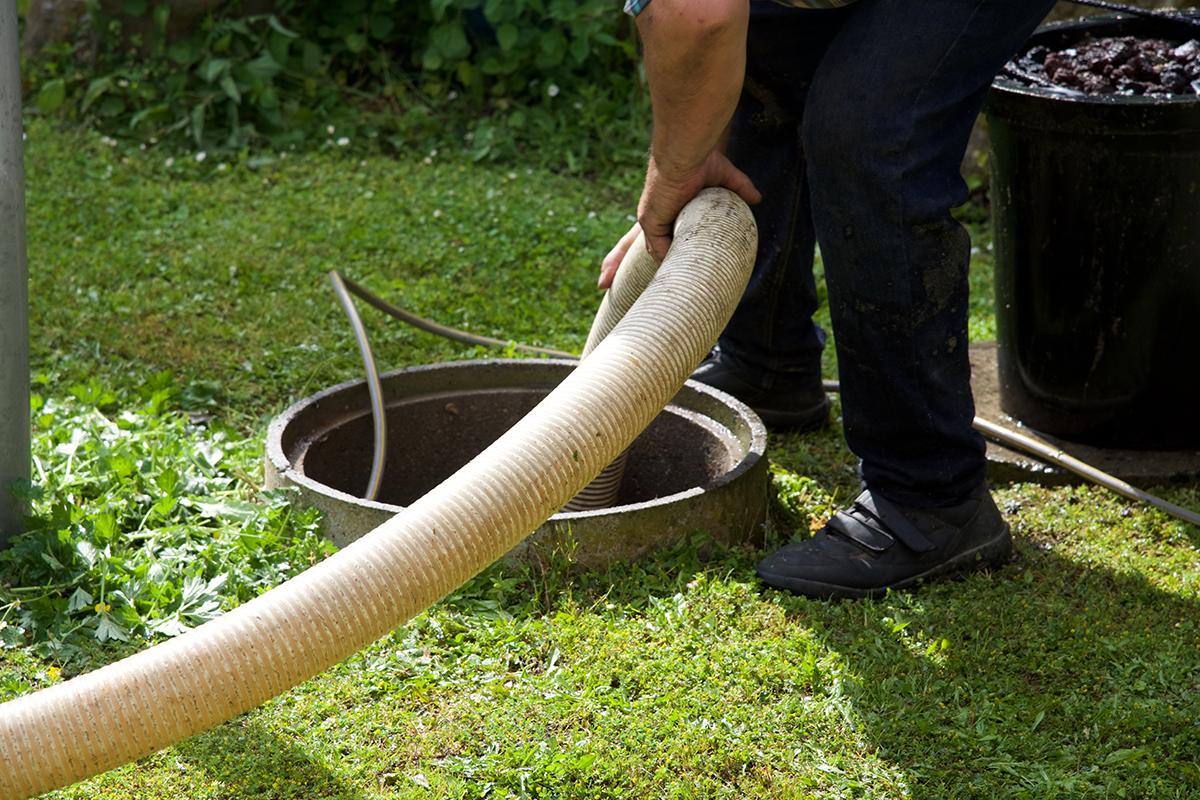
Installing a septic system is a critical part of maintaining a functional and safe home in Spartanburg, SC. Many homeowners in the area rely on septic systems for proper wastewater management, and understanding the installation process, local requirements, and best practices is essential. In this guide, we will cover everything from choosing the right system to maintaining it, all while considering the unique conditions in Spartanburg.
Understanding Septic Systems
A septic system is an underground wastewater treatment system that handles and disposes of household sewage safely. Unlike municipal sewer systems, septic systems treat wastewater on-site, making them a common solution in areas like Spartanburg, SC, where public sewer infrastructure may not reach every property.
Components of a Septic System
A standard septic system consists of three main parts:
- Septic Tank: The tank collects sewage and allows solids to settle while liquid effluent flows out.
- Drainfield (Leach Field): This area distributes effluent into the soil for natural filtration.
- Soil: The soil further treats and removes harmful pathogens before water reaches groundwater sources.
Different soil types in Spartanburg, including clay and sandy loam, influence the design and installation of the septic system. Proper soil evaluation is a crucial step before installation.
Local Regulations for Septic Installation in Spartanburg, SC
Installing a septic system in Spartanburg requires compliance with local health and environmental regulations. The Spartanburg County Health Department oversees septic permits, ensuring systems meet state and county codes. Homeowners should expect inspections, soil testing, and proper site evaluations before installation begins.
Permits and Inspections
- Permit Application: Homeowners must submit a permit request to the county with detailed site plans.
- Soil Evaluation: Soil percolation tests determine whether the ground can absorb wastewater efficiently.
- System Approval: After installation, the system is inspected to ensure it functions according to code.
These steps ensure a safe and long-lasting septic system.
Choosing the Right Septic System for Your Home
Selecting the right septic system depends on several factors:
- Property Size: Larger properties can support more extensive drainfields.
- Soil Type: Sandy soils allow for faster drainage, while clay soils require engineered solutions.
- Household Size: A larger household generates more wastewater, influencing tank size.
- Local Regulations: Compliance with Spartanburg County rules is mandatory.
American Drainfield Septic Service provides professional guidance for selecting and installing systems that match these requirements.
The Septic System Installation Process
The installation process involves several steps to ensure the system functions efficiently for years.
Step 1: Site Evaluation and Design
Experts assess the land, soil, and topography to design a system that meets local codes. Proper slope and drainage are essential to prevent system failure.
Step 2: Excavation and Tank Placement
The installation team digs a trench for the septic tank and drainfield. Placement must consider soil absorption, water table levels, and property layout.
Step 3: Connecting Plumbing
Household plumbing is connected to the septic tank, ensuring wastewater flows directly into the system. Pipes must be correctly sloped to prevent backups.
Step 4: Drainfield Installation
Effluent pipes are installed in the drainfield trenches, covered with gravel and soil. This layer allows natural filtration and prevents contamination of groundwater.
Step 5: System Testing
Before backfilling, the system is tested to confirm proper flow and function. Inspections ensure compliance with Spartanburg regulations.
For professional guidance on this process, homeowners can rely on American Drainfield Septic Service for reliable septic system installation.
Maintenance Tips for Spartanburg Homeowners
Maintaining a septic system is crucial to prevent costly repairs. Regular care includes:
- Routine Pumping: Tanks should be pumped every 3–5 years, depending on household size.
- Water Conservation: Reducing water usage prevents overloading the system.
- Avoiding Harmful Chemicals: Harsh cleaners can kill beneficial bacteria in the tank.
- Drainfield Protection: Avoid parking or building over the drainfield area.
- Monitoring System Performance: Slow drains, odors, or sewage backups indicate maintenance needs.
Common Problems in Spartanburg Septic Systems
Homeowners may encounter several issues if their septic systems are neglected:
- Clogged Pipes: Improper waste disposal can cause backups.
- Drainfield Saturation: Heavy rainfall in Spartanburg can saturate soil, affecting drainage.
- Tank Damage: Cracks or leaks may result from improper installation or aging.
- Tree Root Intrusion: Nearby roots can damage pipes and drainfields.
Timely inspections by experts like American Drainfield Septic Service help prevent these issues.
Benefits of Professional Septic System Installation
Hiring professionals for septic installation in Spartanburg offers many advantages:
- Expertise in Local Codes: Professionals understand Spartanburg regulations and permit requirements.
- Accurate System Design: Properly sized tanks and drainfields ensure efficiency.
- Reduced Risk of Failure: Professional installation minimizes the chance of costly problems.
- Long-Term Reliability: Well-installed systems can last decades with proper maintenance.
Learn more about the full Septic System Installation process for your home and property.
Environmentally Friendly Considerations
Septic systems, when installed correctly, provide eco-friendly wastewater treatment:
- Groundwater Protection: Properly designed systems prevent contamination.
- Natural Filtration: Soil acts as a biological filter for effluent.
- Water Conservation: Homeowners can integrate water-saving practices.
Residents in Spartanburg can benefit from sustainable solutions tailored to local soil and climate conditions.
Choosing the Right Installer in Spartanburg, SC
Selecting a reputable installer ensures your system meets code, functions efficiently, and lasts long. Considerations include:
- Local Experience: Professionals familiar with Spartanburg soils and regulations.
- Licensing and Insurance: Verify proper credentials.
- Customer References: Past client feedback highlights quality and reliability.
- Comprehensive Services: From design to maintenance, a full-service provider is ideal.
For residents seeking expert help, Septic System Installation in Spartanburg, SC by American Drainfield Septic Service offers trusted solutions.
Preparing Your Property for Installation
Before installation, homeowners should:
- Mark property lines and utility locations.
- Remove landscaping or obstacles from the installation area.
- Plan for temporary access for heavy equipment.
- Ensure the installation area is accessible during inspections.
Proper preparation reduces delays and ensures a smooth installation.
Cost Factors for Septic System Installation
Septic system installation costs vary depending on:
- System Type: Conventional, aerobic, or advanced treatment systems have different costs.
- Property Size and Layout: Larger or complex sites may require more extensive work.
- Soil Conditions: Poor soils may need engineered solutions.
- Permitting and Inspection Fees: Required by Spartanburg County for legal compliance.
While costs vary, investing in professional installation ensures long-term savings by preventing system failures.
Signs You May Need a New Septic System
Homeowners should consider replacement if they notice:
- Persistent sewage backups in sinks or toilets.
- Strong odors around the tank or drainfield.
- Slow draining plumbing despite maintenance.
- Pooling water or wet spots in the yard.
Early detection and replacement prevent environmental hazards and costly repairs.
Conclusion
Septic system installation in Spartanburg, SC, requires careful planning, compliance with local regulations, and expert installation. By understanding the components, installation steps, and maintenance requirements, homeowners can enjoy safe and efficient wastewater management. Partnering with experienced professionals like American Drainfield Septic Service ensures systems are designed, installed, and maintained to meet local needs.
Frequently Asked Questions (FAQs)
- How long does a septic system last in Spartanburg?
With proper maintenance, a septic system can last 20–40 years. - Do I need a permit for septic installation in Spartanburg?
Yes, the Spartanburg County Health Department requires permits. - How often should a septic tank be pumped?
Typically every 3–5 years, depending on household size. - Can I install a septic system myself?
DIY installation is not recommended due to local regulations and technical complexity. - What soil type is best for septic systems?
Sandy or loamy soils drain well, while clay may require engineered systems. - What are the signs of a failing septic system?
Odors, slow drains, sewage backups, and wet spots in the yard. - Does a septic system require inspections?
Yes, inspections are required during installation and periodically after. - Can trees damage a septic system?
Yes, roots can invade pipes and drainfields, causing blockages. - What is a drainfield, and why is it important?
The drainfield disperses effluent into the soil for natural filtration. - Who can install a septic system in Spartanburg?
Licensed professionals like American Drainfield Septic Service with local experience.