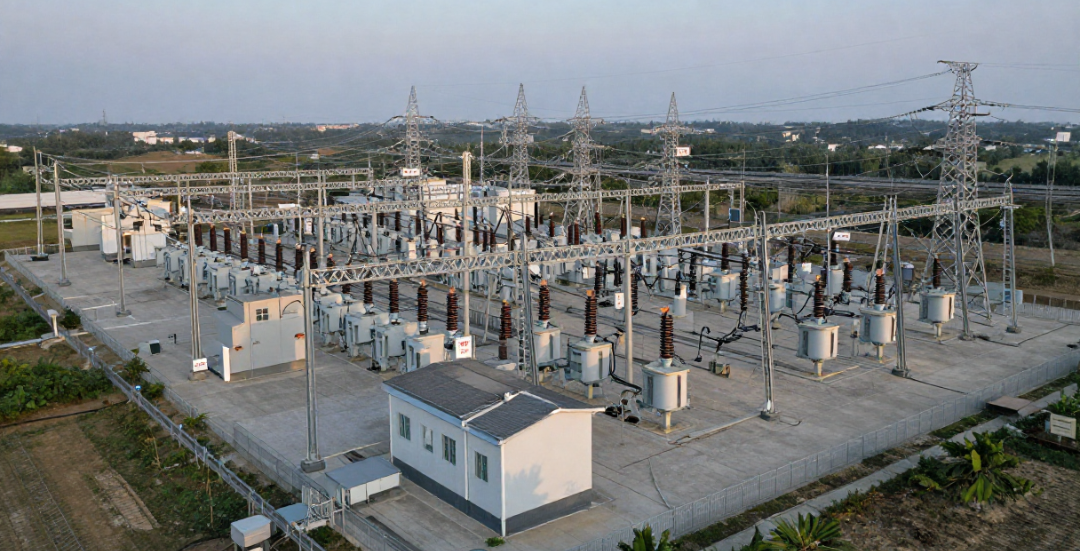
The global shift toward renewable energy is accelerating, with solar, wind, and hybrid systems becoming central to modern power generation. However, integrating these variable energy sources into existing grids is not as simple as installing generation assets. It requires detailed electrical power system studies to ensure stability, reliability, and efficiency. Power system analysis plays a crucial role in evaluating how renewable energy projects perform under different operating conditions and how they interact with the grid.
For developers, utilities, and investors, conducting a comprehensive analysis power system is essential to avoid costly failures and ensure long-term project success. From feasibility to commissioning and beyond, these studies provide the technical foundation for informed decision-making.
Understanding Power System Analysis in Renewables
Power system analysis refers to the evaluation of electrical networks using mathematical models and simulation tools. In renewable energy projects, this process becomes even more critical due to the intermittent nature of sources like solar and wind. Unlike conventional power plants, renewable systems depend on environmental conditions, which introduces variability in generation.
Through detailed power systems studies, engineers can simulate how the system behaves under different scenarios such as peak load conditions, sudden generation drops, or grid disturbances. These insights help in designing systems that maintain voltage stability, frequency control, and overall grid integrity.
Key Studies Required for Renewable Integration
Renewable energy projects require a range of specialized studies to ensure smooth integration into the grid. Load flow analysis is one of the fundamental components, helping determine voltage levels, power flows, and system losses under normal operating conditions. This study ensures that the system can handle expected loads without overloading components.
Short circuit analysis is another critical aspect of electrical power system studies, used to evaluate fault currents and ensure that protective devices are properly rated. Without this, equipment damage and safety risks can increase significantly.
Dynamic and transient stability studies are particularly important in renewable projects. Since renewable generators often connect through power electronics, their response to disturbances differs from traditional generators. A thorough analysis power system helps predict how the system will react to faults, ensuring stability and quick recovery.
Challenges in Renewable Energy Power Systems
Renewable energy integration introduces unique challenges that make power systems studies more complex. One of the primary issues is intermittency. Solar output fluctuates with cloud cover, while wind generation depends on wind speed. This variability can lead to voltage fluctuations and frequency deviations if not properly managed.
Another challenge is the reduced inertia in renewable-heavy systems. Traditional power plants provide mechanical inertia that helps stabilize the grid during disturbances. Renewable systems, especially inverter-based resources, lack this inherent property, making advanced electrical power system studies essential for maintaining stability.
Grid congestion is also a growing concern. As more renewable projects are added, transmission networks may become overloaded. Through detailed analysis power system, engineers can identify bottlenecks and recommend upgrades or alternative solutions.
The Role of Advanced Tools and Technologies
Modern power system analysis relies heavily on advanced simulation software and digital tools. These platforms enable engineers to model complex networks, run multiple scenarios, and analyze system behavior with high accuracy. Tools such as ETAP, PSS®E, and DIgSILENT PowerFactory are widely used in the industry.
With the integration of smart grid technologies, real-time monitoring and data analytics are enhancing the effectiveness of power systems studies. These technologies allow for continuous assessment of system performance, enabling faster response to issues and better optimization of renewable resources.
Artificial intelligence and machine learning are also beginning to play a role in analysis power system, helping predict load patterns, optimize generation, and improve fault detection. This evolution is making power systems more resilient and adaptive to changing conditions.
Benefits of Comprehensive Power System Studies
Investing in thorough electrical power system studies provides significant benefits for renewable energy projects. First and foremost, it ensures system reliability. By identifying potential issues early, engineers can design solutions that prevent outages and equipment failures.
Efficiency is another key advantage. Optimized system design reduces losses and improves overall performance, leading to better returns on investment. Additionally, compliance with grid codes and regulatory standards becomes easier when proper analysis power system is conducted.
These studies also enhance project bankability. Investors and stakeholders are more confident in projects that have undergone rigorous power systems studies, as they demonstrate technical feasibility and risk mitigation.
Future Outlook of Power System Analysis in Renewables
As renewable energy continues to expand, the importance of power system analysis will only grow. The increasing complexity of modern grids, combined with the rise of distributed energy resources, requires more sophisticated approaches to analysis power system.
Future developments will likely include greater integration of digital twins, real-time simulations, and automated control systems. These advancements will further improve the accuracy and efficiency of electrical power system studies, enabling smarter and more sustainable energy systems.
In conclusion, power system analysis is not just a technical requirement but a strategic necessity for renewable energy projects. By leveraging advanced tools and conducting comprehensive power systems studies, developers can ensure reliable integration, optimize performance, and achieve long-term success in the evolving energy landscape.