Fire safety is a critical concern for property owners, builders, and facility managers. Fireproofing Paint plays a key role in slowing the spread of flames, protecting structural elements, and improving overall building safety. Whether you own a residential property or manage a commercial space in Flushing, NY, understanding how this protective coating works helps you make informed decisions. This guide explains what it is, how it works, where to use it, and why it is essential for meeting modern safety standards.
What Is Fireproofing Paint, and Why Is It Important for Safety Compliance?
Fireproofing Paint is a specialized coating designed to resist high temperatures and delay the spread of fire. It is commonly applied to steel, wood, and other structural materials to enhance fire resistance.
From a compliance perspective, fire-resistant coatings help buildings meet local fire codes and safety regulations. They create a protective barrier that expands when exposed to heat, insulating the surface underneath. This added protection can provide valuable time for evacuation and emergency response.
How Fire-Resistant Coatings Work
Fire-resistant coatings, often called intumescent coatings, react to heat by expanding into a thick, insulating layer.
Key functions include:
- Slowing down heat transfer to structural materials
- Reducing the risk of structural collapse
- Limiting flame spread across surfaces
- Enhancing occupant safety during emergencies
These properties make them essential in both residential and commercial construction.
Types of Fire-Resistant Coatings
There are several types of coatings used for fire protection, each designed for specific applications.
Common types include:
- Intumescent coatings: Expand when exposed to heat
- Cementitious coatings: Thick, durable, and often used in industrial settings
- Fire-retardant coatings: Reduce flammability of materials
Choosing the right type depends on the building structure and fire safety requirements.
Key Benefits of Using Fire-Resistant Paint
Applying protective coatings offers multiple advantages beyond basic safety.
1. Enhanced Structural Protection
Fire-resistant coatings protect load-bearing elements such as steel beams and columns.
2. Improved Code Compliance
They help meet local building codes and fire safety standards in areas like Flushing, NY.
3. Increased Property Value
Buildings with enhanced safety features are more attractive to buyers and tenants.
4. Reduced Fire Damage
By slowing fire spread, these coatings minimize potential losses.
Where Can Fireproofing Paint Be Applied?
Fireproofing Paint is versatile and can be used across various surfaces and structures.
Common Applications:
- Steel structures and beams
- Wooden surfaces and framing
- Commercial buildings
- Industrial facilities
- Residential interiors and exteriors
Its adaptability makes it suitable for both new construction and renovation projects.
Fire Safety Regulations in Flushing, NY
Local authorities enforce strict fire safety regulations to protect lives and property. In Flushing, NY, building owners must comply with fire codes that often require fire-resistant materials and coatings.
Important considerations include:
- Proper material selection
- Correct application thickness
- Routine inspections and maintenance
Following these guidelines ensures your property remains compliant and safe.
How to Choose the Right Fireproofing Paint
Selecting the right coating involves several factors.
Key Factors to Consider:
- Type of surface (wood, steel, concrete)
- Fire rating requirements
- Environmental conditions
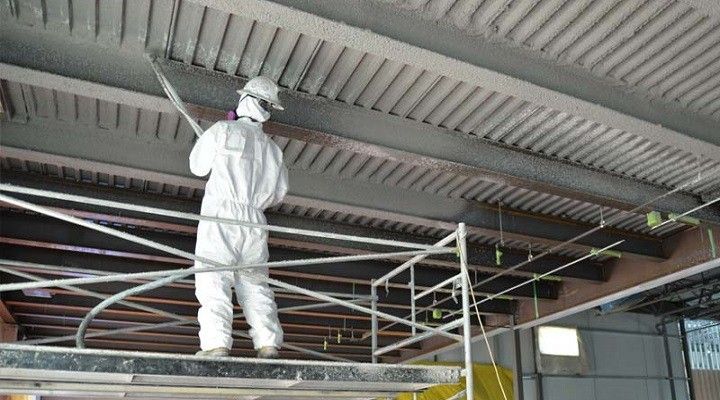
- Application method (spray, brush)
Consulting professionals ensures the correct product is used for maximum effectiveness.
Application Process of Fire-Resistant Coatings
Applying Fireproofing Paint correctly is essential for achieving optimal results.
Basic Steps:
- Surface preparation (cleaning and priming)
- Applying the base coat
- Adding the fire-resistant layer
- Allowing proper curing time
Each step must be carefully followed to ensure durability and performance.
Maintenance and Inspection Tips
Even the best coatings require regular maintenance to remain effective.
Maintenance Checklist:
- Inspect surfaces for cracks or damage
- Reapply coatings as needed
- Ensure no exposure to moisture damage
- Schedule periodic safety checks
Routine inspections help maintain long-term fire protection.
Common Mistakes to Avoid
Avoiding errors during selection and application can save time and money.
Mistakes to Watch For:
- Using the wrong type of coating
- Skipping surface preparation
- Applying incorrect thickness
- Ignoring local fire codes
Proper planning and execution are key to effective fire protection.
Environmental and Energy Efficiency Benefits
Fire-resistant coatings also contribute to sustainability.
They improve insulation, reduce heat transfer, and enhance energy efficiency. This can lower energy costs while maintaining safety standards.
Why Professional Expertise Matters
While some coatings can be applied independently, professional guidance ensures better results.
Companies like AAA Spray Foam Insulation bring expertise in selecting and applying the right materials for different structures, ensuring compliance and durability.
Final Thoughts
Fireproofing Paint is an essential component of modern building safety. It protects structures, enhances compliance, and provides peace of mind for property owners. By understanding its types, benefits, and proper application, you can make informed decisions that improve safety and long-term value.
If you’re planning to upgrade your property’s fire protection, now is the time to take action. Invest in the right solutions to safeguard your building and its occupants.
FAQs
1. How long does fireproofing paint last?
Fire-resistant coatings can last several years, depending on environmental conditions and maintenance. Regular inspections help determine when reapplication is needed to maintain effectiveness.
2. Can fireproofing paint be used on wood?
Yes, many coatings are designed specifically for wood surfaces. They reduce flammability and help slow fire spread, making them suitable for residential and commercial use.
3. Is fireproofing paint required by law?
In many areas, fire-resistant coatings are required for certain structures to meet building codes. Requirements vary depending on location and building type.
4. Does fireproofing paint change the appearance of surfaces?
Most modern coatings are designed to maintain the original look of surfaces. Some can even be painted over to match interior or exterior designs.
5. How do I know if my building needs fireproofing paint?
A professional inspection can determine whether your building requires additional fire protection. Factors include structure type, usage, and local regulations.