
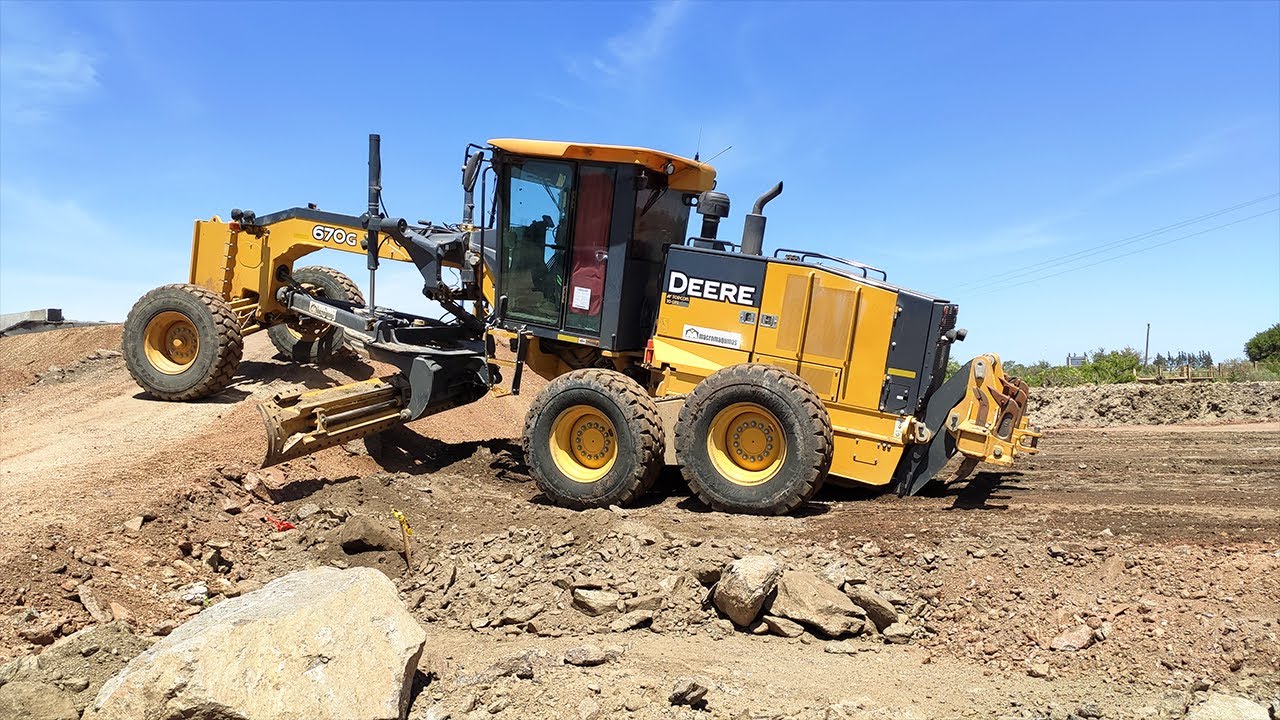
Purchasing used graders internationally seems like a wise cost-cutting strategy, particularly for contractors looking to purchase motor graders fast and affordably. However, there are compliance concerns associated with cross-border procurement that can subtly transform a good deal into an expensive error.
It is essential to comprehend these hazards if you intend to purchase Motor Graders abroad in order to safeguard your investment and continue your operations.
What Does It Mean to Buy Used Graders Across Borders?
Purchasing machinery from another nation and importing it for domestic usage is known as cross-border equipment buying. This option allows contractors to purchase Motor Graders at a reduced cost, gain access to specialist models, or quickly grow their fleets.
While purchasers are frequently from emerging regions where equipment costs are greater, common sourcing markets include China, Japan, the United Arab Emirates, and Europe. However, in contrast to local purchases, foreign transactions expose you to regulatory clearances, customs restrictions, and documentation challenges that many purchasers overlook when purchasing motor graders.
Why Are Contractors Choosing Imported Used Graders in 2026?
Due to growing local equipment costs and restricted supply, contractors are increasingly searching overseas for Motor Graders. Currency exchange advantages and global surplus inventory also make imports appealing.
Used imports are a quicker option because lead times for new machinery have increased recently. Furthermore, some contractors prefer niche or outdated models that aren’t offered locally.
However, here’s the catch: what looks cheaper upfront typically gets pricey afterward. Industry estimates imply that hidden shipping and regulatory fees can increase overall acquisition cost by 20–40%, a gap many competitors neglect to identify when encouraging clients to buy Motor Graders globally.
The Biggest Hidden Compliance Risks
1. Emissions and Environmental Regulations
Yes, emissions compliance can make or break your buy. Many countries demand criteria like Tier 4 or Stage V. Your imported grader might not be permitted on regulated projects if it doesn’t comply with certain requirements. Because retrofitting is either costly or technically challenging, your plan to buy motor graders may result in equipment that is unworkable.
2. Import Restrictions on Used Equipment Age
The majority of nations have age restrictions on imported machinery, usually ranging from five to ten years. Customs may reject your grader if it exceeds this limit. This affects finance and resale value as well, making it more difficult to defend your choice to purchase motor graders overseas.
3. Documentation Mismatches (The #1 Delay Cause)
Indeed, the most frequent problem is inaccuracies in documentation. Inspections or fines may result from a discrepancy between the specifications of the machine and the details on the invoice. Inaccurate HS codes or missing serial numbers can cause a weeks-long delay in clearance. The importance of accurate paperwork is often overlooked by contractors looking to purchase motor graders.
4. Certification & Technical Compliance Gaps
If your equipment lacks CE, ISO, or local safety certifications, it may fail compliance checks. Authorities may sometimes enforce re-export or even levy fines. When companies rush to purchase Motor Graders abroad, they frequently overlook this serious risk.
5. Customs Valuation & Under-Declaration Risks
Although it may seem tempting to declare a lower value in order to save on duties, customs officials frequently reevaluate depending on market benchmarks. Penalties, audits, and postponed release may result from this. In severe circumstances, your attempt to purchase Motor Graders at a discount may end up costing more overall than purchasing locally.
6. Biosecurity & Contamination Issues
Yes, your machine can be stopped by dirt. The port may refuse graders that have soil, oil residue, or plant debris on them. Cleaning certificates are frequently required, but when purchasing motor graders abroad, many consumers neglect this procedure.
Financial Risks Most Buyers Don’t Calculate
The most common error made by consumers is concentrating solely on the purchase price. Depending on the nation, import taxes, tariffs, and regulatory fees might range from 30 to 50%. Costs quickly increase when you include port storage fees, demurrage, inspection delays, and inland logistics.
As an actual example, a contractor that attempted to purchase motor graders saved 15% up front but ultimately had to pay an additional 35% because of delays and compliance fixes. This is why many experts remark, “Your cheapest grader can become your most expensive asset.”
Legal & Operational Risks After Arrival
Risks persist even after clearance. It is not possible to register some imported graders for public projects or road use. Warranties are typically invalid, and OEM support may be restricted. The availability of spare components may also become problematic.
Machines on the grey market are very dangerous. Long-term operating inefficiencies that drastically lower ROI are a problem for many contractors who purchase motor graders in this manner.
The Role of HS Codes, Duties, and Trade Policies
The classification, taxation, and regulation of your equipment are determined by HS codes. Duty rates may be altered or your import may become ineligible due to a minor classification error.
Trade agreements may lower duties, but only if origin standards are met. Misclassification leads to penalties and delays, making it vital to verify codes when you buy Motor Graders overseas.
Documentation Checklist for Importing Used Graders
To prevent delays, consider this brief checklist:
- Important documents include the bill of lading, packing list, certificate of origin, and commercial invoice.
- Safety certificates, inspection reports, and emission certifications are examples of compliance documents.
- Technical documents include maintenance records, machine specifications, and serial numbers.
Your shipment may be considerably delayed if even one document is missing.
How to Reduce Compliance Risks Before You Buy
Prior to making payment, start by confirming compliance. Verify certifications and emission standards. Collaborate with a knowledgeable import broker who is familiar with regional laws.
Make sure the actual machine matches the paperwork during the crucial pre-shipment check. Select the appropriate Incoterm as well. For instance, DDP places the majority of the burden on the seller, whereas FOB and CIF shift risk in different ways.
These actions, which are frequently disregarded, can significantly lower the hazards associated with purchasing motor graders internationally.
Red Flags to Watch When Buying Used Graders Internationally
If the price is far less than market, proceed with caution. Warning flags include missing paperwork, ambiguous serial numbers, and a dearth of inspection reports.
Walk away from a seller who claims the machine is “ready to ship” without providing proof of compliance. At this point, a useful compliance checklist can save significant losses.
When Does Cross-Border Buying Actually Make Sense?
It makes sense if you have strong internal technical expertise or require specialist models that are not available locally. Importing can be successful if you have a long-term fleet strategy and an understanding of compliance.
However, it’s dangerous to make a decision only based on pricing. Smart contractors analyze the entire cost, not just purchasing price, when they acquire Motor Graders worldwide.
Final Verdict: Is It Worth the Risk?
There are obvious benefits to cross-border purchasing, but success depends on compliance. The true decision is not cost versus price, It’s cost versus compliance.
Importing can be beneficial if risks are appropriately managed. If not, resources may be rapidly depleted. In today’s market, informed purchasers win.
FAQs
Is it legal to import used graders?
Yes, but only if they meet local compliance regulations.
What documents are required to import used motor graders?
Invoices, certificates, inspection reports, and technical records.
What is the biggest compliance risk?
Non-compliance leading to delays, fines, or unusable equipment.
Can non-compliant motor grader be modified?
Sometimes, but it is often expensive and not always feasible.