
Heavy-duty jobs don’t stay clean for long. Doesn’t matter if it’s land clearing, demolition cleanup, storm debris, or farm work — eventually you run into material that a regular bucket just can’t handle properly.
That’s usually the point where operators stop thinking about “basic attachments” and start looking for equipment that actually grabs, holds, and controls the mess instead of pushing it around all day.
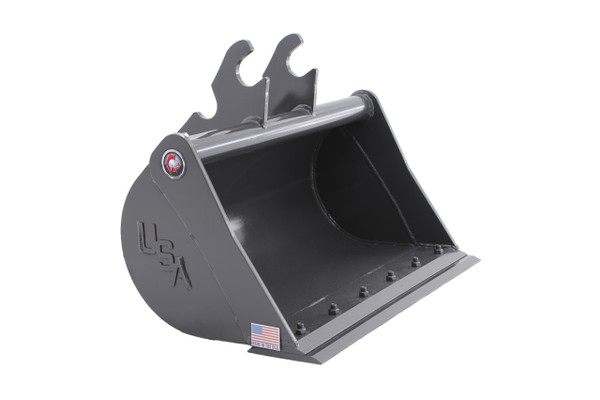
And honestly, if you’ve spent time comparing excavator buckets for sale, you’ve probably already realized one thing — not every bucket is built for real heavy-duty work. Some look tough online. Different story once they hit a rough job site.
That’s where grapple buckets separate themselves pretty quickly.
A Grapple Bucket Does More Than Just Carry Material
A lot of people think grapple buckets are just regular buckets with clamps added on top. Not really.
A standard bucket scoops. That’s its job.
A grapple bucket controls material. Big difference.
Instead of watching debris spill out every time you lift, the grapple locks things down. Brush, logs, broken concrete, twisted scrap, root piles — stuff that normally shifts around suddenly becomes manageable.
And on heavy-duty jobs, control matters almost as much as lifting power.
Because wasted movement wastes time. Wasted time kills productivity.
Simple as that.
Why Heavy-Duty Work Demands Better Attachments
Contractors and equipment owners already know this. Jobsites don’t care about “average performance.”
If you’re clearing commercial land or cleaning up after demolition, the material is unpredictable. Wet debris. Uneven loads. Sharp objects. Heavy brush tangled together like cable.
That’s where lighter attachments start failing.
Bent cutting edges. Cracked welds. Hydraulic problems. It happens faster than people expect too.
Heavy-duty grapple buckets are built differently for a reason:
- Reinforced steel
- Stronger pivot points
- Better hydraulic protection
- More aggressive teeth design
Not because it looks impressive. Because cheap equipment gets destroyed out there.
That’s why experienced operators stop chasing the lowest price eventually.
Land Clearing Is Where Grapple Buckets Really Earn Their Keep
This is probably one of the biggest applications.
You clear brush for a few hours with a standard bucket and suddenly half the job becomes chasing piles around the site.
A grapple bucket changes that completely.
You grab full piles of:
- Branches
- Trees
- Roots
- Loose debris
- Rocks mixed into brush
Then move everything in one controlled load.
No constant repositioning. Less hand cleanup too, which matters more than people admit.
For landscapers, municipalities, and farm operators doing repeated clearing work, that efficiency adds up fast.
Demolition Cleanup Gets Faster — Way Faster
Demolition jobs are messy by nature.
Broken lumber. Concrete chunks. Twisted metal. Random debris everywhere.
Trying to clean that with standard buckets gets frustrating quick. Material slips out constantly. Operators spend more time repositioning than actually loading.
That’s why grapple buckets are almost standard equipment now on a lot of heavy cleanup sites.
They grip uneven material better. Hold awkward loads tighter. Reduce the number of trips needed to clear an area.
And honestly, when labor costs are what they are now, faster cleanup matters.
Farm and Agricultural Operators Use Them More Than People Realize
People tend to associate grapple buckets mostly with construction. But farm work beats up equipment too.
Fence cleanup. Storm damage. Brush piles. Moving logs or hay debris.
A grapple bucket handles all that without constantly dropping material halfway across the property.
That’s why agricultural operators increasingly look at heavy-duty attachment options alongside traditional excavator buckets for sale or loader bucket setups.
One attachment doing multiple rough jobs? That saves money over time.
Not All Grapple Buckets Are Actually Heavy-Duty
This part matters.
A lot of attachments get labeled “heavy-duty” in marketing. Doesn’t always mean much.
Real heavy-duty grapple buckets usually have:
- Thick steel construction
- Reinforced side plates
- Quality hydraulic cylinders
- Better weld integrity
- Strong clamping force
Cheap builds often look fine at first. Then hard use exposes everything.
Cracked mounts. Twisted lids. Bent teeth.
That’s one reason companies like Spartan Equipment focus so much on build quality. Because attachment failure on a live job site becomes expensive real fast.
Especially when crews are waiting around.
The Right Bucket Setup Changes Machine Efficiency
People focus heavily on machine horsepower. Fair enough. But attachment choice affects efficiency almost as much.
A weak bucket slows down a strong machine.
A proper grapple setup lets operators:
- Move more material per pass
- Reduce cleanup time
- Improve load stability
- Handle awkward debris safely
And once operators get used to it, they usually don’t want to go back.
You notice the difference immediately on brush-heavy or demolition-heavy work.
Why More Buyers Compare Skid Loader Buckets for Sale Today
There’s been a big shift lately toward attachment versatility.
Operators want fewer machines doing more work.
That’s one reason searches for skid loader buckets for sale keep growing — buyers want attachments capable of handling multiple applications instead of single-purpose tools sitting unused most of the year.
A good grapple bucket fits that perfectly.
Land clearing one day. Storm cleanup next week. Demolition cleanup after that.
One attachment. Multiple revenue-producing jobs.
That matters in real business.
Operator Safety Gets Better Too
This part gets overlooked a lot.
Loose debris moving around inside a standard bucket creates risk. Falling material. Shifting loads. Unstable lifting.
A grapple bucket reduces a lot of that by securing the load properly.
Especially on uneven terrain or rough movement across jobsites.
And honestly, anything reducing jobsite risk is worth paying attention to now.
Insurance costs alone tell you that.
Maintenance Still Matters, Even With Heavy Equipment
A heavy-duty grapple bucket still needs maintenance. Doesn’t matter how strong it is.
Operators should still:
- Grease pivot points
- Check hydraulic hoses
- Inspect welds regularly
- Watch cylinder performance
- Replace worn teeth before damage spreads
Neglect catches up eventually. Always does.
The difference is quality-built attachments survive abuse better before problems show up.
Final Thoughts
At the end of the day, grapple buckets became essential because heavy-duty work keeps getting tougher, faster, and more demanding.
Contractors want fewer labor hours. Landscapers need efficiency. Municipal crews need reliable cleanup equipment. Farm operators need attachments that survive rough conditions without constant repairs.
That’s where grapple buckets prove their value pretty quickly.
And once operators start comparing serious attachment options alongside skid loader buckets for sale, they realize something important — buying stronger equipment upfront usually costs less than replacing weak equipment later.
That’s just reality in this business.
If you’ve been thinking about upgrading attachments this season, Spartan Equipment’s SPRING SALE is live right now. Save 15% sitewide using code SALE26 at checkout through 05/31/2026. Honestly, with equipment prices where they are now, that kind of discount actually helps.