
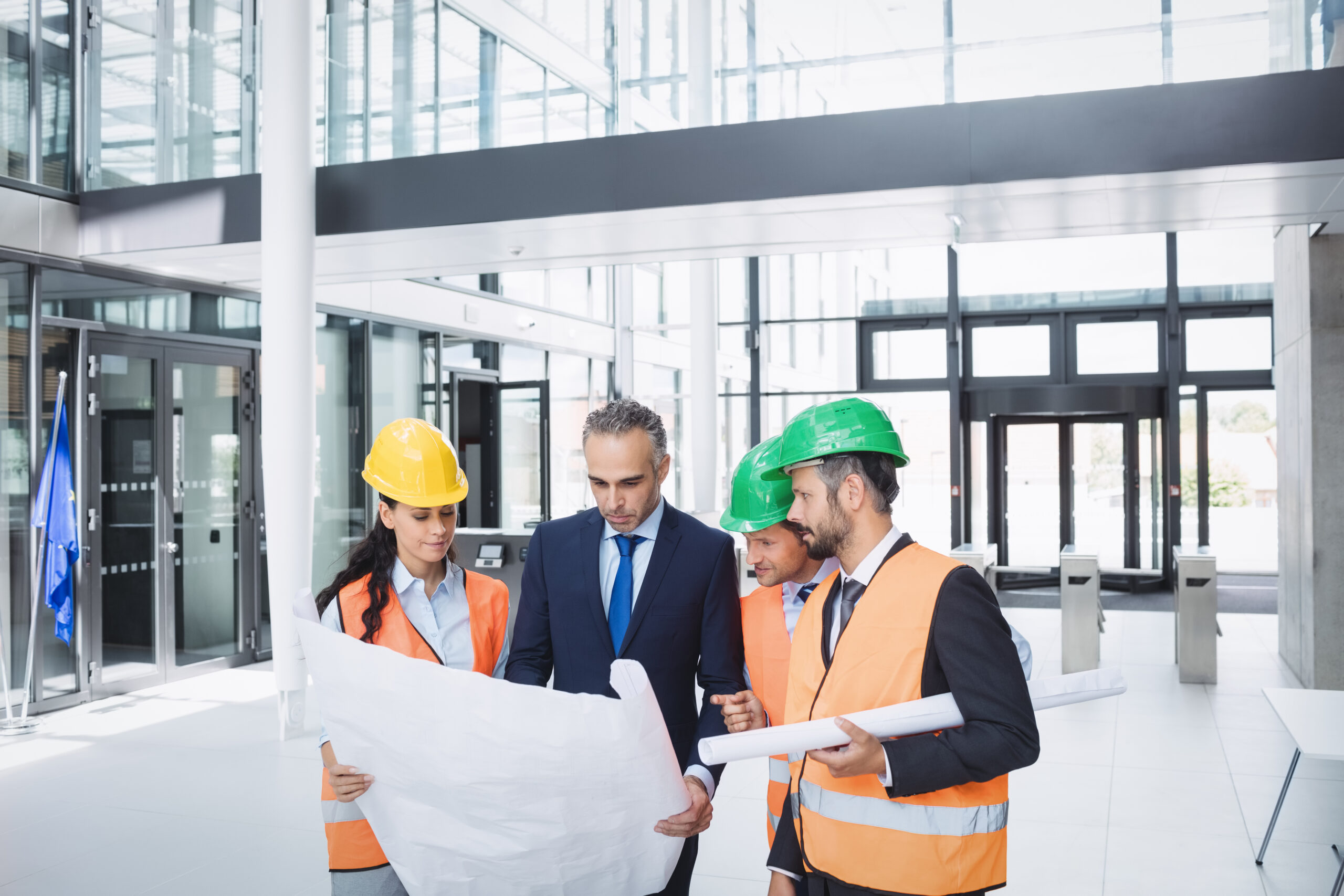
In the ever-evolving world of commercial real estate, the significance of preconstruction planning truly can’t be understated. This essential phase acts as the backbone for successful project execution, providing commercial property developers and owners with a clear roadmap from the initial idea all the way to completion. Grasping the intricacies of commercial preconstruction is vital for maximizing investment potential and minimizing risks.
Why Commercial Preconstruction Matters
Commercial preconstruction is the strategic planning process that takes place before breaking ground on a commercial building. It encompasses a series of detailed evaluations and decisions that shape the project’s direction. From feasibility analysis to budgeting and project management, this phase sets the stage for success by addressing potential challenges upfront.
Feasibility Analysis
The journey begins with assessing whether the project is viable. This means taking a close look at factors like site conditions, zoning regulations, and environmental impact. By conducting a thorough feasibility analysis, developers can determine if the project is not only possible but also financially sound.
Budgeting
Having a solid budget is critical in commercial preconstruction. By estimating costs accurately, stakeholders can foresee expenses and allocate resources wisely, preventing unexpected overruns and ensuring the project stays on solid financial ground.
The Core Components of Commercial Preconstruction
Understanding the fundamental components of commercial preconstruction is essential for a successful project. These elements create a sturdy foundation that supports every aspect of construction.
Site Analysis
A comprehensive site analysis is vital for spotting any potential issues that could affect the project. This means evaluating soil conditions, topography, and utility access. By getting a clear picture of the site, developers can make informed decisions about design and construction methods.
Risk Assessment
Recognizing and addressing risks is a crucial part of the preconstruction process. This includes looking into potential challenges like regulatory changes, supply chain issues, and labor shortages. By identifying these risks early, developers can devise strategies to lessen their impact.
Investment Evaluation
Assessing the investment potential of a project is another key step during preconstruction. This involves digging into market trends, demand forecasts, and competitive positioning. A thorough investment evaluation helps ensure that the project aligns well with financial goals.
Effective Project Management in Preconstruction
Effective project management is the cornerstone of successful commercial preconstruction. It’s all about coordinating different aspects of the project to ensure everything runs smoothly and efficiently.
Communication
Open and clear communication is essential for keeping all stakeholders aligned and on the same page. Regular meetings and updates help maintain project momentum, allowing for timely adjustments when needed.
Timeline Development
Crafting a realistic timeline is crucial for managing expectations and hitting deadlines. By establishing clear milestones, project managers can keep the project moving at the right pace.
Resource Allocation
Smart resource allocation maximizes productivity and minimizes delays. This means making sure that the right labor, materials, and equipment are available when they’re needed most.
Future Trends in Commercial Preconstruction
As technology continues to evolve, the field of commercial preconstruction is changing rapidly. Staying informed about these trends can give developers and owners a competitive edge.
Digital Tools
The rise of digital tools and software is revolutionizing how preconstruction planning is done. Innovations like Building Information Modeling (BIM) allow for greater precision and collaboration, enabling stakeholders to visualize the project in 3D and catch potential issues before construction kicks off.
Sustainability
Sustainable building practices are becoming increasingly important in commercial preconstruction. Using eco-friendly materials and energy-efficient designs not only enhances a project’s appeal but also reduces its environmental footprint.
Smart Technology
The integration of smart technology is reshaping the commercial real estate landscape. More and more, developers are incorporating smart building systems that boost energy efficiency and improve the comfort of occupants.
Conclusion
Commercial preconstruction is a critical process that lays the groundwork for successful project execution. By focusing on key elements like feasibility analysis, budgeting, and risk assessment, developers can position their projects for success. Embracing future trends and leveraging digital tools can further enhance the efficiency and sustainability of commercial preconstruction efforts.
Ultimately, a well-executed preconstruction plan is a powerful asset for maximizing investment potential and delivering outstanding results in the competitive realm of commercial real estate.
For more insights on navigating the complexities of commercial preconstruction, visit SFV Services Preconstruction