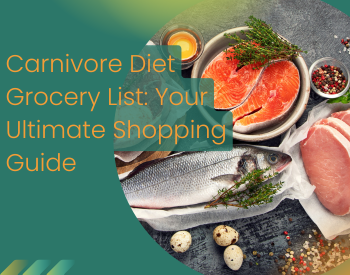
In a world filled with shifting dietary trends, complex meal prep instructions, and endless rows of ultra-processed snacks, the carnivore diet stands out for its extreme simplicity. By eliminating all plant-based foods and focusing entirely on animal products, this evolutionary approach to human nutrition strips away the guesswork. However, walking into a modern supermarket without a strategic carnivore grocery list can leave you feeling overwhelmed by choice or accidentally reaching for items with hidden fillers.
Whether you are treating this elimination diet as a therapeutic tool for metabolic health, using it to kickstart weight loss, or simply looking to streamline your weekly meal prep, being prepared is essential.
In this ultimate guide, we will break down exactly what to put in your shopping cart, categorize your animal-based choices, and share expert tips to ensure your ancestral nutrition plan is both satisfying and highly effective.
What is a Carnivore Grocery List?
A carnivore grocery list is a specialized shopping guide composed entirely of animal-sourced foods, focusing primarily on ruminant meats, poultry, seafood, eggs, and healthy animal fats. It strictly excludes all carbohydrates, grains, plant oils, fruits, vegetables, and artificial additives.
The primary goal of this shopping list is to provide your body with high-density, bioavailable nutrients while keeping your blood sugar completely stable and eliminating systemic inflammatory triggers.
The Ultimate Carnivore Diet Shopping List: Essential Categories
When navigating the supermarket aisles, you want to focus your shopping cart around several key categories to ensure you hit your macro goals and maintain optimal energy.
1. Ruminant Meats (The Foundation)
Ruminant animals such as cattle, lamb, and bison have specialized digestive systems that turn plant cellulose into incredibly nutrient-dense fat and muscle tissue. These should form the absolute bedrock of your grocery list.
- Ribeye Steak: The gold standard of the carnivore diet due to its ideal fat-to-protein ratio.
- Ground Beef: An affordable, highly versatile staple. Opt for 80/20 or 75/25 blends to keep your fat intake elevated.
- New York Strip & T-Bone: Excellent options for variety and rich, deep flavor profiles.
- Lamb Chops & Shanks: Naturally rich in essential fatty acids and minerals.
2. Pork and Poultry (For Variety)
While less nutrient-dense than beef, pork and poultry add wonderful texture and flavor variation to your weekly meal plan.
- Pork Belly & Bacon: Look for sugar-free, nitrate-free curing options to avoid hidden additives.
- Chicken Thighs and Wings: Always choose bone-in, skin-on cuts to maximize your healthy fat intake over lean breast meat.
- Duck Legs: An incredibly rich source of fat and micronutrients.
3. Seafood and Wild-Caught Fish
Seafood provides critical omega-3 fatty acids ($EPA$ and $DHA$) and vital trace minerals that support brain function and heart health.
- Salmon & Sardines: Excellent sources of healthy fats and vitamin D.
- Shrimp, Crab, & Lobster: Perfect lean protein additions to pair with a rich butter sauce.
- Oysters & Mussels: Highly bioavailable sources of zinc, copper, and vitamin B12.
4. Eggs and Dairy (The Performance Boosters)
If your digestive system tolerates dairy, these items are fantastic for adding culinary flexibility and easy calories.
- Pasture-Raised Eggs: Often called nature’s multivitamin, rich in choline and lutein. Eat both the whites and the yolk.
- Grass-Fed Butter & Ghee: Essential cooking fats that enhance the flavor of any steak.
- Heavy Cream & Hard Cheeses: High-fat options like Parmigiano-Reggiano or extra-sharp cheddar can be used sparingly as flavor enhancers.
5. Healthy Cooking Fats
On a zero-carbohydrate diet, fat becomes your primary fuel source. Never skim on animal fats.
- Beef Tallow: Ideal for high-heat searing and pan-frying.
- Lard: Perfect for cooking pork dishes.
- Duck Fat: Adds a luxurious, gourmet finish to poultry.
Pros and Cons of a Carnivore Diet Plan
| Dietary Aspects | Pros of the Carnivore List | Cons / Transition Challenges |
| Simplicity | Minimal meal prep; no macro tracking; eliminates decision fatigue in the kitchen. | Social situations can be awkward; limited menu options when dining out. |
| Digestive Relief | Removes fiber, lectins, and oxalates, often resolving bloating and gas. | Temporary “keto flu” or bowel adjustment periods during the first 2 weeks. |
| Metabolic Health | Deep ketosis promotes steady energy, mental clarity, and fat loss. | Sourcing high-quality grass-fed meats can significantly increase grocery budgets. |
Expert Shopping Tips for Budget Carnivores
Adopting an all-meat lifestyle doesn’t have to break the bank. To maximize your budget, consider these three industry-insider strategies:
- Buy in Bulk: Talk to a local butcher or regenerative farm about buying a “quarter beef” or “half hog.” This lowers your per-pound cost dramatically.
- Embrace Organ Meats: Liver, kidney, and heart are incredibly cheap compared to steaks but possess triple the micronutrient profile.
- Learn to Cook Tougher Cuts: Chuck roasts, brisket, and beef shanks are budget-friendly but turn into tender masterpieces when slow-cooked or braised.
Frequently Asked Questions
Can I use spices and seasonings on a carnivore diet?
Strict carnivores stick solely to high-quality sea salt or pink Himalayan salt. However, many people follow a “relaxed” version that allows for black pepper, garlic powder, and basic herbs. If you are using the diet to treat a severe autoimmune or digestive issue, stick to salt only for the first 30 days.
Won’t a lack of fiber cause constipation?
While it contradicts conventional advice, many individuals find that removing plant fiber completely resolves chronic digestive distress. Animal meats are highly digestible and almost fully absorbed in the small intestine, resulting in less waste and less frequent, but perfectly healthy, bowel movements.
How do I get enough Vitamin C without fruit?
Fresh, high-quality meat actually contains trace amounts of vitamin C, which is completely sufficient when you aren’t consuming carbohydrates. Glucose and vitamin C compete for the same cellular pathways; when carbohydrates are eliminated, your body’s requirement for vitamin C drops dramatically.
Can I drink coffee on the carnivore diet?
Technically, coffee beans are plant seeds, so strict protocols exclude it. However, a large percentage of successful carnivores continue to enjoy black coffee or coffee blended with a dollop of grass-fed butter or heavy cream.
Conclusion
Sticking to a clean, animal-based lifestyle starts with mastering your environment, and that begins the moment you step foot inside the supermarket. By structuring your carnivore grocery list around nutrient-rich ruminant meats, wild-caught seafood, quality fats, and pasture-raised eggs, you give your body exactly what it needs to thrive without the inflammatory fluff.