
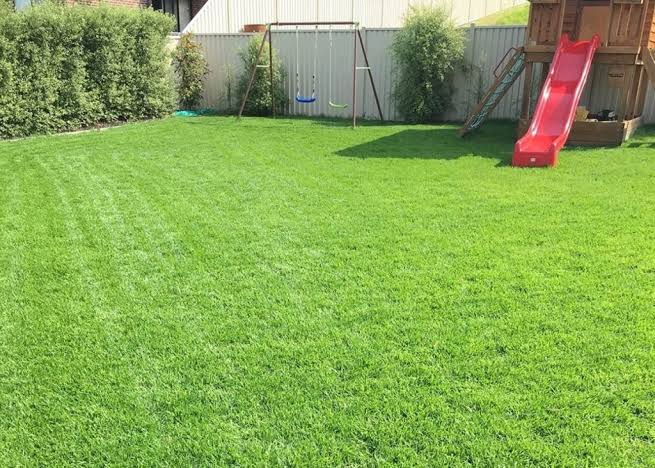
Australian summers can place significant stress on home lawns. Long periods of heat, limited rainfall, and water restrictions often affect lawn health and appearance. Choosing the right grass variety helps reduce maintenance and improve summer performance. Buffalo turf remains a popular option because it handles challenging conditions while maintaining a healthy and attractive lawn throughout the warmer months.
Why Do Australian Summers Challenge Many Lawn Varieties?
Hot weather increases moisture loss from the soil and places extra pressure on grass roots. Lawns that lack drought tolerance often lose colour and become thin during summer. Several factors affect lawn performance during hot weather:
- High Temperatures: Extended heat can dry out grass quickly.
- Limited Rainfall: Many regions experience long dry periods.
- Strong Sunlight: Intense sun increases evaporation.
- Water Restrictions: Homeowners often need to reduce watering.
A grass variety must cope with all these conditions to remain healthy through summer.
How Does Buffalo Turf Handle Heat and Dry Conditions?
Many homeowners choose Buffalo turf because it performs well during hot Australian summers. Its broad leaf structure helps retain moisture more effectively than some finer-leaf varieties. The grass develops a dense growth pattern that protects the soil from excessive evaporation. This characteristic helps maintain colour and coverage during dry periods. Another advantage involves shade tolerance. While many warm-season grasses require full sun, Buffalo turf performs well in partial shade. This flexibility makes it suitable for many residential properties.
Comparing Buffalo Turf with Couch Grass
Couch grass performs exceptionally well in full sun and handles dry conditions effectively. However, it often struggles in shaded areas. When comparing the two varieties:
- Buffalo Turf: Performs well in both sun and partial shade.
- Couch Grass: Prefers full sun exposure.
- Buffalo Turf: Requires less frequent mowing.
- Couch Grass: Grows aggressively during summer.
Homeowners with mixed sunlight conditions often prefer Buffalo because it adapts to different parts of the yard more easily.
Comparing Buffalo Turf with Kikuyu Grass
Kikuyu grass grows rapidly and recovers quickly from wear. It suits active households and high-traffic areas. However, rapid growth often creates additional maintenance requirements. Key differences include:
- Buffalo Turf: Offers controlled growth and easier maintenance.
- Kikuyu Grass: Requires more frequent mowing.
- Buffalo Turf: Maintains a softer texture.
- Kikuyu Grass: Can spread aggressively into garden beds.
These differences often influence long-term maintenance decisions.
Maintaining Lawn Health During Summer
Even drought-tolerant grass benefits from proper care during extreme weather. Regular maintenance helps improve root strength and overall resilience. Applying the best lawn fertiliser during active growth periods supports healthy development by providing essential nutrients that help lawns better manage heat stress.
Deep watering encourages stronger roots than frequent shallow watering. Homeowners should also mow at an appropriate height during summer. Using fertilisers as part of a seasonal lawn care routine can improve colour retention and growth. Combined with proper watering, the best lawn fertiliser helps support lawn performance throughout the hottest months.
Conclusion
Australian summers demand a grass variety that can tolerate heat, dryness, and changing weather conditions. Buffalo turf performs well because it combines drought tolerance, shade adaptability, and manageable maintenance needs. While Couch and Kikuyu offer advantages in specific situations, Buffalo remains a practical choice for homeowners seeking reliable lawn performance throughout the summer season.