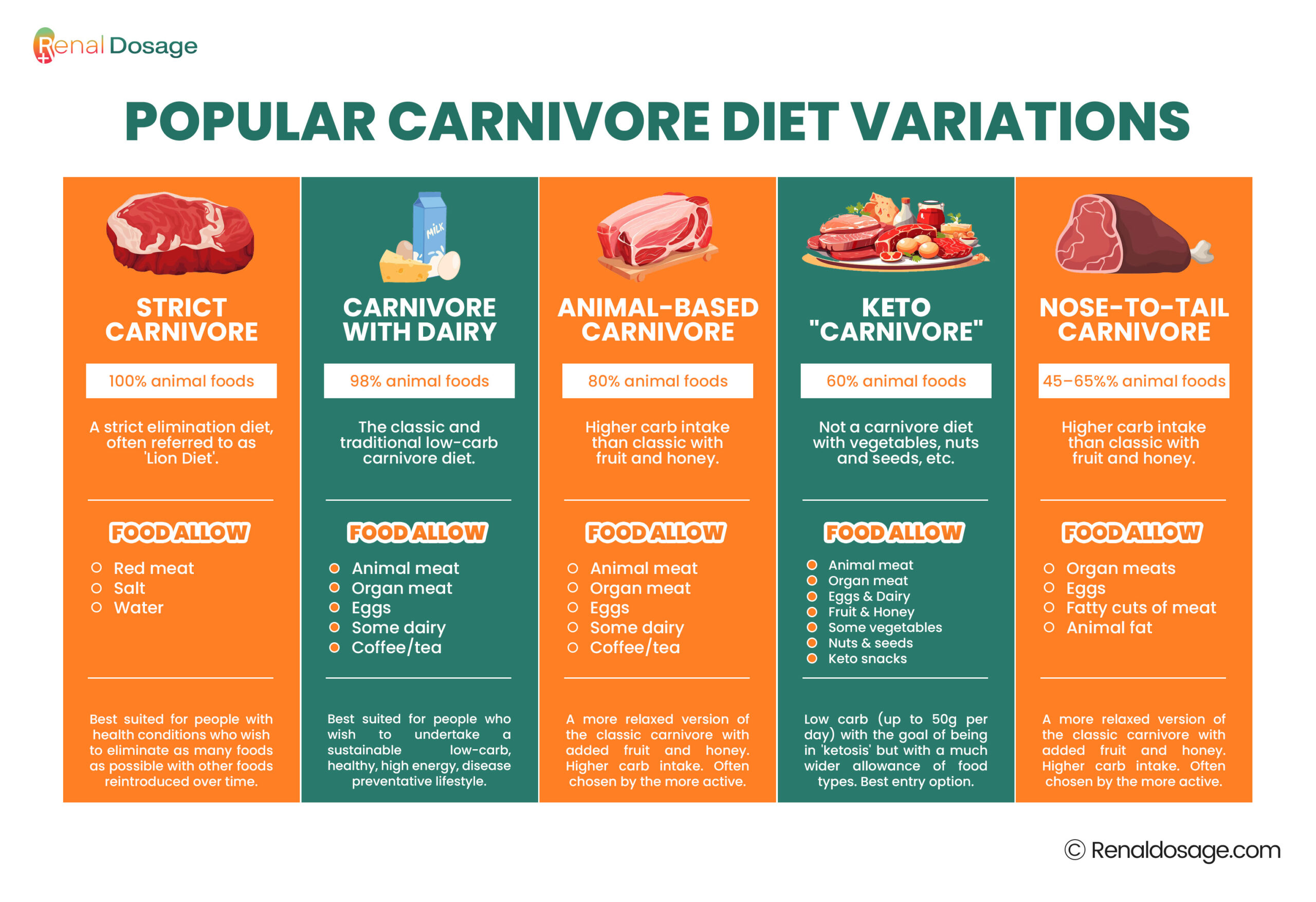
In recent years, dietary trends have shifted dramatically toward ultra-low-carbohydrate and ancestral eating protocols. Sitting at the extreme end of this spectrum is the carnivore diet, a restrictive regimen that eliminates virtually all plant foods in favor of an animal-only menu. Proponents praise it as a revolutionary reset for weight loss, mental clarity, and autoimmune relief, while mainstream medical institutions emphasize caution regarding its long-term health effects.
If you are considering stripping your daily meal plan down to meat, eggs, and seafood, making an informed, evidence-based decision is vital. In this comprehensive beginner’s guide, you will learn what the carnivore diet entails, its potential benefits and drawbacks, how it impacts systemic health, and essential safety guidelines to consider before making a radical lifestyle change.
What is the Carnivore Diet?
The carnivore diet is an eating plan that consists exclusively of animal products. It completely excludes all plant-derived foods, including fruits, vegetables, grains, legumes, nuts, seeds, and plant oils.
Unlike standard ketogenic diets that permit low-carb vegetables, healthy fats, and small portions of berries, a strict carnivore protocol operates on zero carbohydrates. The underlying philosophy assumes that ancestral human populations thrived primarily on animal meat and fish, and that modern chronic health conditions stem largely from refined carbohydrates, seed oils, and plant anti-nutrients (such as lectins, oxalates, and phytates).
Foods Allowed on the Carnivore Diet
- Red Meat: Beef, lamb, pork, bison, and venison (preferably fatty cuts for energy).
- Poultry and Game: Chicken, turkey, duck, and quail.
- Seafood and Fish: Salmon, mackerel, sardines, trout, shellfish, and oysters.
- Organ Meats: Liver, heart, kidney, and tongue (rich in micronutrients).
- Animal Fats and Dairy: Butter, ghee, lard, tallow, heavy cream, and hard cheeses (in moderation).
- Eggs: Whole chicken, duck, or quail eggs.
- Beverages: Water and bone broth (some practitioners include black coffee and tea).
How Does the Carnivore Diet Work?
By cutting carbohydrates to near-zero levels, the carnivore diet fundamentally alters your body’s primary energy source.
- Transition to Ketosis: Without glucose from carbohydrates, your liver converts stored and dietary fatty acids into ketones to fuel your brain and muscles.
- Insulin Reduction: Eliminating dietary sugars keeps circulating insulin levels consistently low, facilitating fat burning and rapid weight loss through glycogen depletion.
- Elimination Protocol: By stripping away potential food allergens such as gluten, nightshades, artificial additives, and FODMAPs many individuals experience a rapid reduction in digestive bloating and systemic inflammation.
Potential Benefits of the Carnivore Diet
While long-term clinical trials are limited, self-reported health surveys and recent short-term metabolic studies highlight several noticeable outcomes for beginners:
- Accelerated Weight Loss: High dietary protein and fat promote satiety hormones like peptide YY and GLP-1. This natural appetite suppression leads to a spontaneous reduction in daily caloric intake without traditional calorie counting.
- Simplified Nutrition and Elimination: Removing plant toxins and complex meal prep eliminates decision fatigue and allows individuals with severe irritable bowel syndrome (IBS) or food sensitivities to pinpoint inflammatory triggers.
- Blood Sugar Stabilization: Eliminating carbohydrates prevents dramatic glycemic spikes and crashes, which can benefit individuals managing insulin resistance or prediabetes.
- Improved Mental Focus: Many practitioners report steady cognitive energy and reduced brain fog once fully adapted to burning ketones for fuel.
Critical Health Risks and Clinical Concerns
Despite its growing popularity, medical experts and clinical dietitians warn that an all-meat diet carries substantial physiological risks when followed long-term:
- Saturated Fat and Cardiovascular Risk: Carnivore meal plans are heavily weighted toward saturated animal fats. This can cause significant elevations in LDL (low-density lipoprotein) cholesterol and apolipoprotein B (ApoB), factors strongly associated with plaque buildup and cardiovascular disease.
- Complete Lack of Dietary Fiber: Fiber is essential for maintaining a healthy gut microbiome, supporting regular bowel movements, and reducing the risk of colorectal cancer. Eliminating fiber can alter gut flora composition and lead to severe constipation or diarrhea during the adaptation phase.
- Micronutrient Deficiencies: Without strategic inclusion of organ meats or seafood, a strict muscle-meat diet lacks essential micronutrients, including vitamin C, folate, potassium, magnesium, and vitamin E.
- Increased Renal Strain: A high-protein intake elevates glomerular filtration pressure in the kidneys. While healthy kidneys can adapt to higher protein loads, individuals with underlying chronic kidney disease (CKD) or reduced renal clearance face a heightened risk of accelerated renal function decline and hyperkalemia.
Integrative Health: Balancing Diet with Whole-Body Wellness
Adopting a major lifestyle change requires looking at whole-body wellness rather than focusing solely on macronutrients. Just as optimizing your diet requires careful monitoring of key health markers, protecting your overall health involves proactive preventative care.
For instance, spending time outdoors engaging in active living often increases sun exposure. Alongside managing your diet, ensuring you schedule routine body checks at a reputable skin cancer clinic is an equally critical component of long-term wellness. Preventative health relies on a multi-faceted approach combining balanced internal nutrition, metabolic tracking, and routine medical screenings to catch potential health risks early.
Pros and Cons of the Carnivore Diet
| Category | Potential Advantages | Potential Drawbacks & Risks |
| Simplicity | Extremely straightforward; no macro counting or complex recipes. | Socially restrictive; difficult to maintain in restaurant settings. |
| Metabolic Impact | Rapid reduction in fasting glucose and circulating insulin. | Potential spike in LDL cholesterol and markers of vascular inflammation. |
| Digestive Health | Immediate relief from fiber-induced bloating or small intestinal bacterial overgrowth (SIBO). | Loss of gut microbiome diversity due to total fiber elimination; constipation. |
| Nutrient Profile | High intake of bioavailable iron, zinc, B12, and quality amino acids. | Risk of low vitamin C, calcium, magnesium, and potassium without careful planning. |
Frequently Asked Questions
Will the carnivore diet cause scurvy due to a lack of Vitamin C?
While fresh meat contains trace amounts of vitamin C (especially organ meats like liver), it contains far less than fresh fruits and vegetables. Interestingly, glucose competes with vitamin C for cellular uptake. Lower carbohydrate intake reduces the body’s baseline vitamin C requirement, but long-term carnivore dieters should still monitor for deficiency signs or consult a healthcare professional regarding supplementation.
How long does the “carnivore flu” transition last?
When switching from a carb-rich diet to zero-carb, most beginners experience an adaptation phase known as the “keto flu” or “carnivore flu.” Symptoms include headaches, fatigue, brain fog, muscle cramps, and digestive changes. This transition typically lasts from 3 to 14 days and can be managed by increasing hydration and taking unrefined electrolytes (sodium, potassium, and magnesium).
Is the carnivore diet safe for individuals with kidney disease?
No. Individuals with pre-existing chronic kidney disease (CKD), reduced eGFR, or a history of kidney stones should avoid high-protein diets like the carnivore diet without strict nephrology supervision. Excessive nitrogenous waste from protein breakdown increases renal workload and can accelerate kidney damage.
Can I eat dairy on the carnivore diet?
Strict carnivore protocols exclude liquid milk due to its natural sugar (lactose) content. However, many practitioners allow small amounts of low-lactose, high-fat dairy products like butter, ghee, heavy cream, and aged hard cheeses (such as parmesan or cheddar).
Prioritize Your Health with RenalDosage.com
Whether you are modifying your protein intake, evaluating a ketogenic protocol, or managing metabolic health, precision matters. Calculating accurate nutrient metrics and monitoring renal safety is vital when undertaking drastic dietary shifts.
At Renal Dosage, we empower patients and clinical practitioners with state-of-the-art health calculators and evidence-based clinical guidance. Before starting an extreme dietary intervention, use our digital tools to calculate your kidney function metrics and evaluate your personalized dietary needs.
Ready to Take Control of Your Health?
Don’t navigate drastic dietary choices alone. Visit renaldosage.com today Download the App for instant access to personalized health calculators, renal safety guidelines, and tailored wellness tracking.
Conclusion
The carnivore diet offers a simple, powerful elimination tool that can jump-start weight loss, stabilize blood sugar, and provide temporary relief from chronic digestive issues. However, its highly restrictive nature, complete absence of dietary fiber, and high saturated fat profile mean it is not suitable for everyone especially over long periods.