
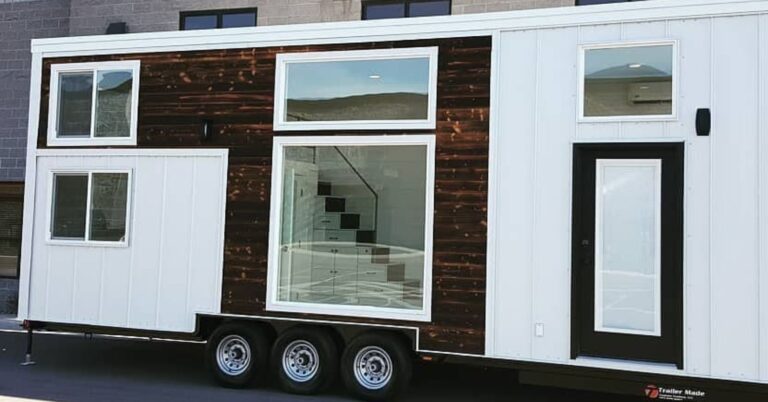
Buying a house used to feel pretty straightforward. You saved, found a property, got a mortgage, and then spent the next several years wondering why there was always another repair to pay for. These days, that route isn’t realistic for everyone. House prices have climbed, building costs aren’t exactly friendly either, and a lot of buyers are looking for something smaller. That’s one reason the Tiny home kit has become interesting. Instead of starting a build with a pile of loose materials and figuring everything out as you go, buyers can get a set of components made around a particular design. It sounds simple. The actual process isn’t always simple, but it can be a different way into homeownership.
What You’re Really Buying With a Tiny Home Kit
The phrase “home kit” can make it sound like you’re ordering a giant piece of furniture online. You aren’t. Well, not quite. A kit usually contains some of the major pieces needed to put the structure together, but what’s included depends heavily on the manufacturer. Some packages are fairly basic. Others include walls, roofing, windows, doors and more. You might still need tradespeople for plumbing, electrical work or other parts of the build. Before buying anything, find out exactly what arrives on the truck and what doesn’t. That’s where people can get caught out. A low advertised price doesn’t mean much if half the house still needs to be sourced separately.
Why Smaller Houses Are Making More Sense
There is something refreshing about not paying for space you don’t use. If you work from home, you need a decent workspace. Sure. But do you really need three spare bedrooms sitting empty most of the year? Maybe you do. Maybe you don’t. For some people, a smaller house simply fits better. There’s less to clean, fewer things to maintain and usually less space to heat or cool. The savings aren’t guaranteed, obviously, because every project is different. But the smaller footprint can help keep certain costs under control. And a tiny house doesn’t necessarily mean living in a glorified shed. With a decent layout, smart storage and good natural light, a small place can feel pretty comfortable.
The Factory Part Is What Makes Flat-Pack Interesting
A lot of the work happens before the materials reach your property. That’s the clever bit. Components can be measured, cut and prepared in a controlled environment instead of being dealt with one piece at a time on a muddy building site. If you’ve ever watched a construction project drag on because of bad weather, missing materials or some measurement that was wrong three days earlier, you can see the appeal. Still, don’t expect the truck to arrive and solve everything. The ground underneath the home still needs attention. Utilities need connecting. Inspections may be required. There may be planning restrictions too. Flat-pack construction can remove some headaches. It doesn’t remove the need for a proper build.
You Don’t Have to Live in a Plain Little Box
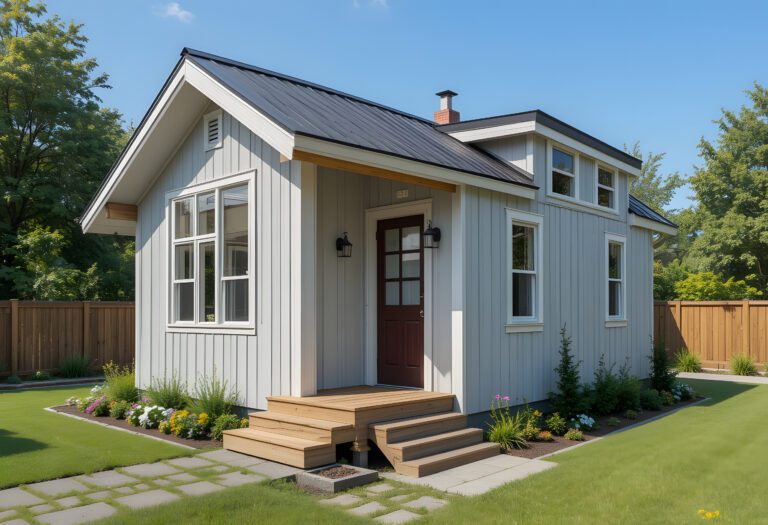
Another misconception is that kit homes all look the same. They don’t have to. Depending on the manufacturer, you may have choices around the layout, windows, doors, kitchen, bathroom, finishes and other details. You can make the space feel like yours without designing every single component from zero. That’s a useful middle ground. Going completely custom gives you freedom, but it can also bring more decisions, longer timelines and higher costs. A kit gives you a starting point that’s already been worked out. You just need to decide whether that starting point actually suits you. Don’t choose a floor plan because it looks good in a photo. Think about where you’ll put your shoes, groceries, laundry and all the boring stuff nobody shows in the brochure.
Tiny Homes Are Also Finding a Place in Backyards
Not everyone buying a small home is planning to replace their main residence. That’s where things get more interesting. A compact structure can sometimes work as an extra living space on an existing property. It might house a family member, give guests somewhere private to stay, or become a rental unit where local regulations permit it. In those situations, you’re often dealing with an accessory dwelling unit rather than just a standalone tiny house. Working with an experienced adu builder can make a real difference because these projects involve more than the structure itself. Setbacks, zoning, utilities, foundations and permits all have to line up. One small rule can change the whole plan, so check before spending money on drawings or materials.
The Kit Price Is Not the Final Price
This is probably the bit buyers should pay the most attention to. A kit might look affordable when you first see the advertised figure. Then reality starts adding things. Delivery. Foundation. Site clearing. Labor. Electrical. Plumbing. Appliances. Permits. Maybe drainage work. Maybe the property needs more preparation than you expected. Suddenly that attractive little number isn’t so little. That’s not necessarily a problem. Every building method has extra costs. The mistake is assuming they won’t apply to you. Get a breakdown before you commit. Ask the manufacturer what they include and, more importantly, what they leave out. If the answer is vague, keep asking. Your bank account will thank you.
Tiny Living Has Its Own Reality Check
There is a big difference between liking the idea of a tiny home and actually living in one. Photos online tend to show the good stuff. A tidy kitchen. A nice chair by a window. Maybe a plant sitting somewhere looking suspiciously perfect. What you don’t see is where the vacuum goes. Or twelve bags of winter clothes. Or the camping gear you swear you’re going to use more often. Small homes force you to pay attention to your habits. That’s not necessarily bad. But you need to be honest with yourself. If you hate clutter, you’ll probably enjoy the challenge. If you collect things and don’t like getting rid of them, well, things could get interesting.
A Smaller Home Can Change the Money Conversation
The biggest appeal isn’t always the house itself. It’s what the house might allow you to do financially. A smaller property can mean a smaller project, although that isn’t guaranteed, and potentially lower ongoing costs. Some buyers would rather put money toward travel, savings, family or a business instead of maintaining a huge home. Others simply want to own something without taking on a mortgage that leaves no breathing room. That’s the part of the tiny-home movement worth paying attention to. It challenges the idea that successful homeownership means buying the biggest property you can somehow afford.
Conclusion: Small Doesn’t Mean Second-Best
Tiny home kits aren’t perfect. They aren’t a shortcut around planning rules, site problems or construction costs. And, honestly, tiny living would drive some people completely mad. That’s fine. It isn’t supposed to suit everyone. But for buyers who want less house, fewer unnecessary rooms and a simpler approach to construction, flat-pack homes offer a genuine alternative. The smart approach is pretty basic: check the rules first, understand the complete cost, look closely at what’s included in the kit, and think about how you actually live. Don’t buy the dream shown in a glossy photo. Buy something that works on an ordinary Tuesday. That’s where a small home proves whether it’s really worth it.