
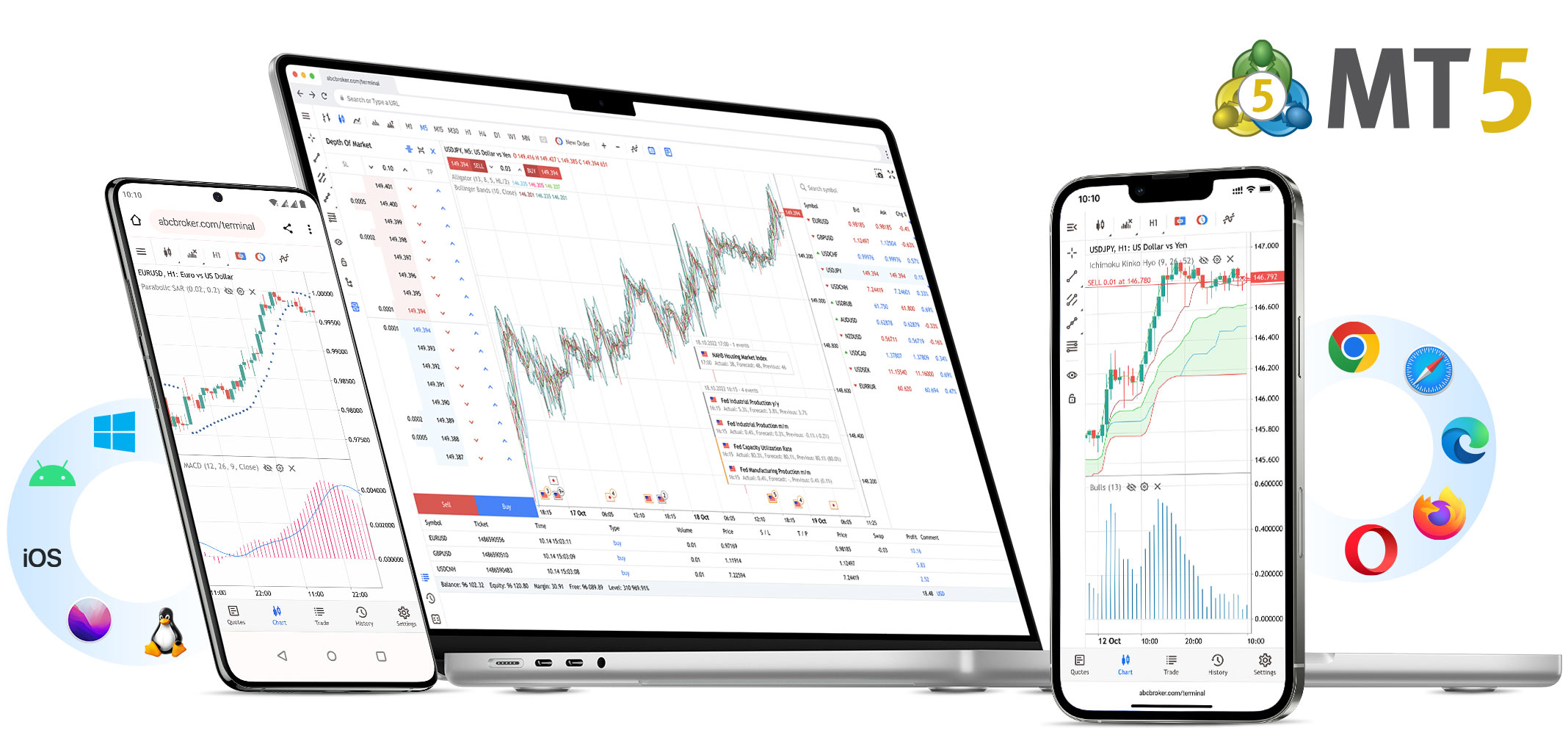
Markets rarely move according to a single signal. Prices react to economic announcements, investor sentiment, technical patterns, liquidity changes and unexpected global developments. For traders, the challenge is not simply finding market information but turning that information into a structured view of what may happen next. This is where modern trading technology becomes valuable. A well-equipped mt5 trading platform can bring charting capabilities, technical indicators, market data and analytical functions together, helping traders examine opportunities with greater clarity and discipline.
Why Market Analysis Matters in Modern Trading
Effective trading begins with understanding the market rather than reacting to every price movement. Market analysis helps traders assess trends, identify potential entry and exit areas, understand volatility and evaluate the factors influencing an asset. However, analysing markets manually across multiple sources can quickly become complicated. Traders may need to monitor price charts, economic events, technical indicators and different asset classes at the same time. Advanced trading tools simplify this process by bringing important information into a more organised environment.
Advanced Charting for Deeper Price Analysis
Charts are among the most important tools available to traders because they transform price movements into visual patterns that are easier to study. Advanced platforms allow traders to examine multiple timeframes, compare price behaviour and apply technical indicators according to their preferred strategy. Different chart types can provide different perspectives. A trader studying a long-term trend may focus on broader timeframes, while a short-term trader may examine smaller intervals for potential price changes. Being able to switch between these perspectives can help traders understand whether a movement represents a larger trend or simply temporary market noise.
Technical Indicators Turn Data into Useful Signals
Price data alone can sometimes be difficult to interpret. Technical indicators help traders analyse specific aspects of market behaviour, including momentum, trend direction and volatility.
Moving averages, for example, can help identify the general direction of a market by smoothing short-term price fluctuations. Oscillators can provide insight into momentum, while volatility indicators may help traders understand how dramatically an asset has been moving.
The value of these tools comes from how they are applied. Using too many indicators can create conflicting signals and make decision-making harder. A more effective approach is to select tools that complement a specific trading method and use them consistently. Technical indicators should also be treated as analytical aids rather than guarantees of future performance. Market conditions can change rapidly, and no indicator can eliminate uncertainty.
Risk Management Tools Strengthen Analysis
Market analysis is incomplete without considering risk. Even a well-researched trading idea can produce an unexpected outcome because markets are inherently uncertain. Risk management tools can help traders estimate potential exposure before entering a position. Calculators for margin, pip values and potential profit or loss can provide useful numerical context when evaluating a trade.
Stop-loss and take-profit levels can also form part of a structured trading plan. Rather than deciding what to do after a position moves against them, traders can establish risk parameters beforehand. This encourages consistency and reduces the possibility of making impulsive decisions during periods of market stress.
Automated and Analytical Features Improve Efficiency
Advanced trading environments can also reduce the amount of repetitive work involved in market analysis. Automated strategies, alerts and other analytical functions can help traders monitor conditions without constantly watching charts. Alerts, for instance, can notify traders when an asset reaches a particular price or when a predefined market condition occurs. This can be particularly useful when monitoring several instruments simultaneously.
Automation can also assist with strategy testing. Traders can evaluate how a strategy might have performed against historical market data before considering whether it fits their objectives. While historical results cannot guarantee future outcomes, testing can help identify weaknesses and encourage more disciplined strategy development.
Access to Multiple Markets Expands Analytical Opportunities
Modern trading platforms can provide access to several asset classes from a single environment. This makes it easier for traders to compare market behaviour and consider relationships between different instruments. For instance, changes in commodities, currencies or stock indices may provide additional context when evaluating a particular market. Having multiple instruments available within one trading environment can reduce the need to switch constantly between different systems.
Choosing Technology That Supports Better Decisions
The most advanced platform is not necessarily the most useful one if its features are difficult to understand or apply. Traders should consider whether a platform provides the tools they actually need, including reliable charting, technical indicators, economic information, risk calculators, multiple-device access and efficient execution.
Ease of use also matters. Analytical tools should support decision-making rather than create unnecessary complexity. A clear interface can make it easier to monitor positions, review market information and maintain consistency. Ultimately, technology should serve the trading process. It cannot replace market knowledge, risk awareness or sound judgement, but it can provide a stronger foundation for applying them.
Final Thoughts
Better market analysis comes from combining information thoughtfully rather than relying on a single indicator or prediction. Traders can begin by defining their objectives, identifying relevant markets and selecting analytical tools that match their approach. From there, they can examine price trends, study technical indicators, monitor economic developments and establish risk parameters. Reviewing previous decisions can also reveal patterns in their own trading behaviour and highlight areas that require improvement. Riyadex reflects this broader approach by positioning its trading ecosystem around market access, technology, transparency and practical trading resources.
The company provides access to MetaTrader 5 alongside a broad range of instruments, while its offering also includes resources such as economic calendars and trading calculators designed to help users assess market conditions and potential trade parameters. Its website also presents its approach to regulatory oversight and client-fund segregation, reinforcing its focus on a structured trading environment. As markets continue to evolve, advanced trading tools can make analysis more organised, efficient and informed. The real advantage comes not from having the most features, but from knowing how to use relevant information with discipline. For traders seeking a structured environment for analysing opportunities, a reliable mt5 trading platform can bring essential analytical capabilities together, while Riyadex offers a technology-focused trading environment designed to support informed decision-making.