
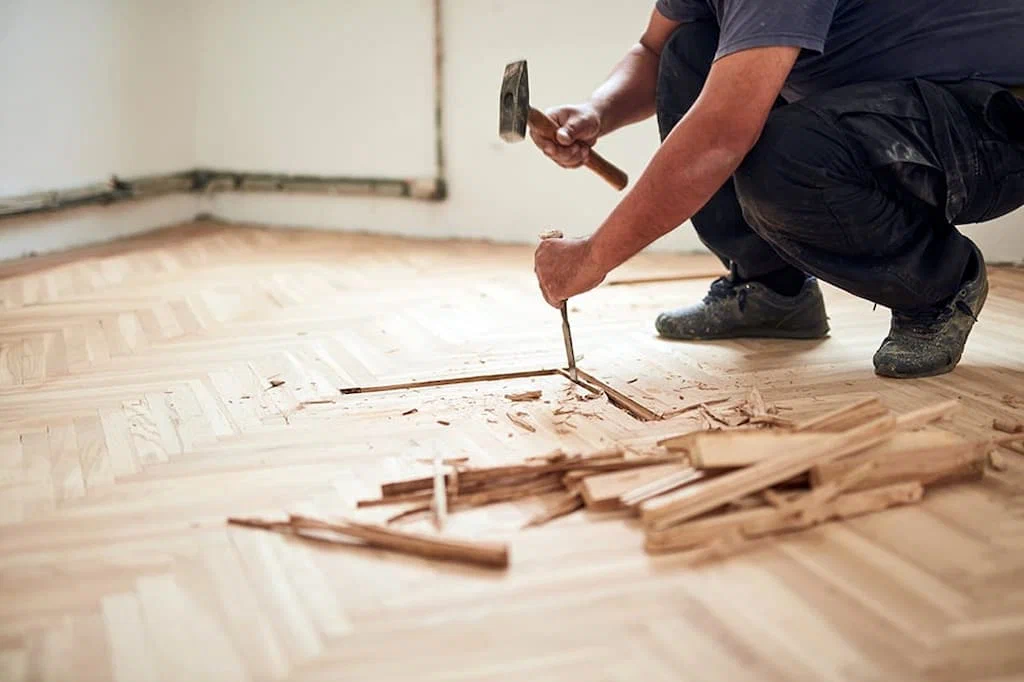
Floors experience constant use every day, so scratches, cracks, stains, loose boards, uneven areas, and other problems can develop over time. Even small floor issues can affect the appearance and comfort of a room, while serious damage may create additional problems if it is ignored. Floor Repair can restore damaged sections without always requiring a complete flooring replacement. The right repair method depends on the flooring material, the cause of the damage, and the condition of the surface underneath. Homeowners and property managers should first identify the problem before choosing a repair approach. Understanding common flooring issues can make it easier to plan repairs and protect the surface for longer.
Understanding Common Floor Problems
Different flooring materials develop different types of damage. Hardwood may experience scratches, dents, gaps, stains, or damaged boards. Tile can crack or become loose when the surface underneath moves or when heavy objects impact the area. Vinyl and laminate may develop tears, chips, lifting edges, or water-related damage. Concrete floors can develop cracks, uneven areas, or surface deterioration. Floor Repair should begin with identifying the material and determining what caused the problem. Repairing only the visible damage without addressing the underlying issue may result in the same problem returning. A careful inspection can help determine whether a small repair is appropriate or if a larger section requires attention.
Repairing Damaged Hardwood Floors
Hardwood flooring can last for many years when properly maintained, but daily traffic can eventually leave marks and damage. Scratches may appear from furniture, pets, shoes, or moving heavy objects. Individual boards can also become cracked, warped, loose, or discolored. Minor surface marks may sometimes be addressed through cleaning, refinishing, or localized treatment, while severely damaged boards may need replacement. Floor Repair for hardwood should consider the condition of the surrounding boards so the repaired area does not look noticeably different. Matching the wood type, color, grain, and finish can help create a more consistent appearance.
Water is another common cause of flooring problems. Leaks from plumbing, appliances, roofs, or windows can allow moisture to reach flooring materials. Hardwood may swell or warp, laminate can lift, and other materials may become damaged when water remains underneath or around them. Before repairing the surface, the source of moisture should be identified and corrected. Floor repair in Dallas should address both the visible damage and the condition of the underlying surface. Installing new flooring over an area that remains damp can lead to additional problems. Proper drying and inspection can help determine which materials can remain and which need replacement.
Fixing Cracked and Loose Tile
Tile flooring can develop cracks from impact, movement beneath the surface, improper installation, or natural wear. Loose tiles may also allow moisture to reach the material underneath. When a tile is damaged, the surrounding area should be inspected to determine whether the problem is limited to one piece or indicates a larger issue. Floor Repair for tile may involve removing the damaged piece, preparing the surface, installing a replacement tile, and restoring the surrounding grout. Matching replacement tiles can sometimes be difficult when the original product is no longer available, so keeping spare tiles from the original installation can be useful for future repairs.
Addressing Uneven Floors
Uneven flooring can be uncomfortable and may create a trip hazard in certain situations. The cause can range from an uneven subfloor to moisture damage, foundation movement, damaged floor joists, or improper installation. Simply adding new flooring over an uneven surface may hide the issue temporarily without solving it. Floor Repair should begin by determining why the floor is uneven. Once the underlying problem is understood, the appropriate preparation or structural correction can be completed before installing or repairing the finished surface. A level and properly prepared base can help new flooring perform better and reduce the chance of recurring damage.
Cracks, gaps, and damaged seams can also affect the appearance and function of flooring. Hardwood boards may separate as materials expand and contract, while tile grout can deteriorate over time. Vinyl seams may lift, and laminate edges can become damaged through moisture or impact. The repair method depends on the material and severity of the issue. Floor Repair can involve filling, resealing, replacing individual sections, or correcting the surface underneath. Addressing small problems early can prevent them from becoming larger areas of damage that require more extensive work.
Repairing Concrete Floors
Concrete flooring is common in garages, basements, warehouses, commercial spaces, patios, and other areas. Although concrete is durable, it can develop cracks, chips, pits, or uneven sections. Some cracks may be related to normal movement, while others can indicate drainage or structural concerns. Before repairing concrete, the cause and extent of the damage should be evaluated. Floor Repair may involve cleaning the damaged area, preparing the surface, filling cracks, repairing damaged sections, or applying an appropriate coating. The repair method should match the condition of the concrete and the way the space will be used.
Preparing the Floor Before Repair
Proper preparation is an important part of any flooring repair. Dirt, loose material, adhesive residue, moisture, and damaged sections may need to be removed before new materials are installed. The subfloor should also be checked because problems underneath can affect the finished surface. During Floor Repair, preparation may include cleaning, leveling, drying, removing damaged sections, or correcting minor surface imperfections. Skipping preparation can lead to poor adhesion, uneven finishes, or recurring problems. Taking time to prepare the area gives the repair materials a better surface to bond with and can improve the final appearance.
Choosing Between Repair and Replacement
Not every damaged floor needs to be completely replaced. A localized problem may be easier and less disruptive to repair, especially when most of the flooring remains in good condition. However, widespread damage, repeated moisture exposure, structural problems, or discontinued materials may make replacement a more practical option. Floor Repair should be considered after evaluating the overall condition of the flooring rather than focusing on a single damaged spot. Property owners can compare the expected repair work, material availability, age of the floor, and future maintenance needs before deciding how to proceed.
Keeping Floors in Better Condition
Regular maintenance can help extend the life of repaired and existing flooring. Cleaning according to the flooring manufacturer’s recommendations, addressing spills promptly, using suitable furniture protection, and avoiding unnecessary moisture can reduce everyday wear. Heavy furniture should be moved carefully to prevent scratches or dents, while high-traffic areas may benefit from rugs or protective coverings. Floor repair service in Dallas can restore damaged surfaces, but ongoing care is important for maintaining the results. Property owners should also address leaks and moisture problems quickly because water can cause damage that spreads beneath the visible surface.
Restoring the Look and Function of Your Floors
Damaged flooring can make a room look worn and may affect how comfortably the space can be used. From scratched hardwood and cracked tile to damaged vinyl, uneven subfloors, and concrete cracks, different problems require different approaches. A careful inspection can help determine whether a localized repair or broader replacement is appropriate. Floor Repair can restore affected areas while allowing property owners to keep flooring that is otherwise in good condition. With proper preparation, suitable repair methods, and regular maintenance afterward, floors can regain a cleaner appearance and remain functional for everyday use.