
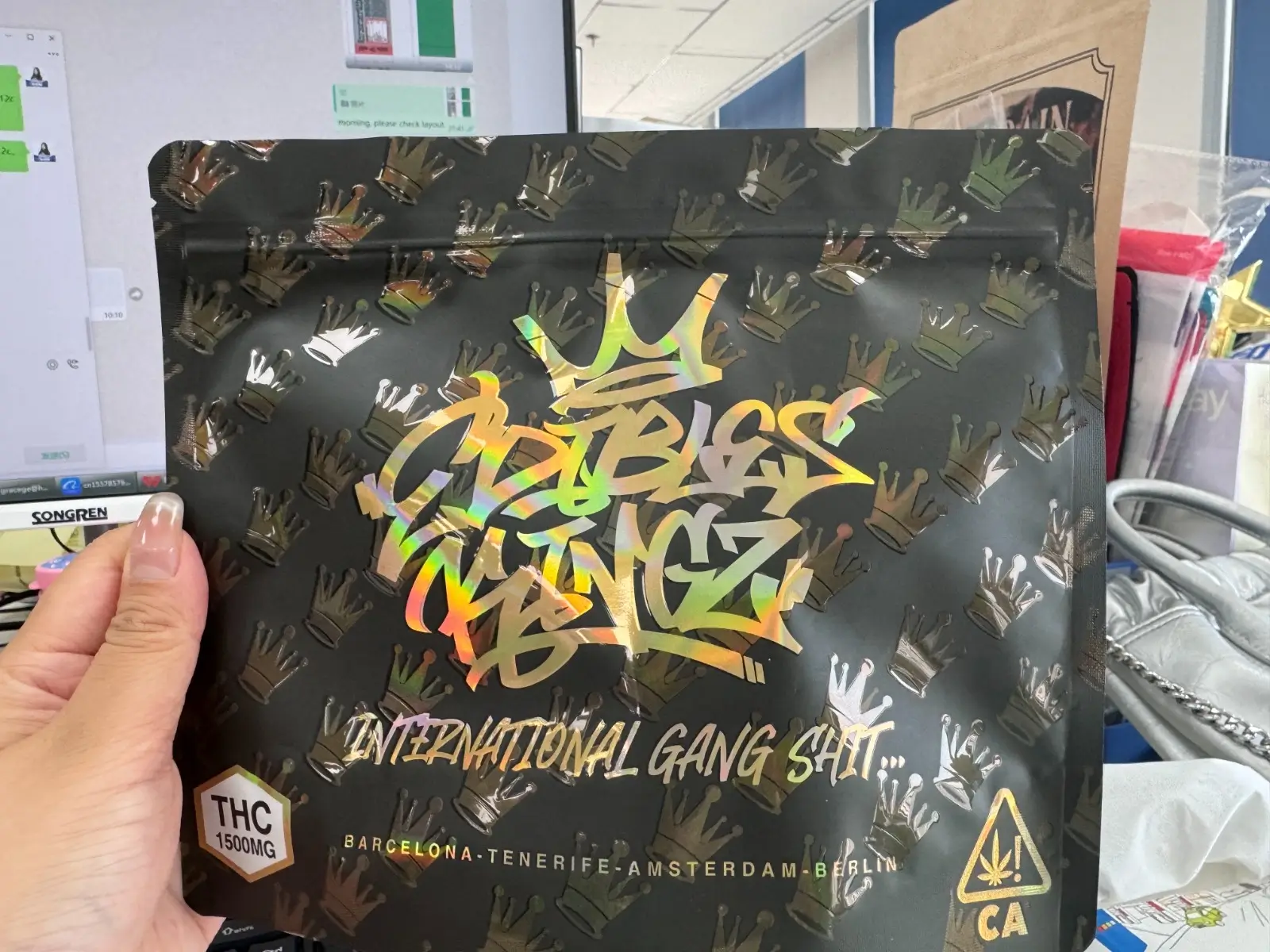
Selecting the appropriate thickness is an important part of custom Mylar bag packaging. The thickness of the material affects durability, resistance to punctures, and protection against moisture, oxygen, and light. Measurements in mils and microns are commonly used to describe the thickness of flexible packaging films. From lightweight snacks to heavier products, the right specification depends on the weight of the contents, conditions of storage, and handling requirements. Discover Mylar Bags and explore the options with the different sizes, material structures, and protective features for food, cosmetics, and other products. Understanding these measurements makes it easier to compare packaging options and select a suitable material for different products.
Discover the Basics Of Mylar Bag Thickness
Mylar bags are generally manufactured from polyester film, often laminated with other materials for specific packaging purposes. The term thickness describes the measurement of the film, including its individual layers when multiple materials are combined. Thinner films are commonly considered for lightweight products, whereas thicker films may be appropriate for heavier contents or demanding handling conditions. The overall durability also depends on the composition of the material, the quality of lamination, and the strength of the seals. These factors should be reviewed together when comparing different options.
Understand Mil Sizes And Micron Measurements
Thickness is commonly expressed in mils or microns, depending on the manufacturer’s specifications. One mil is equal to one-thousandth of an inch, which is approximately 25.4 microns. For example, a 3-mil film measures approximately 76.2 microns, while a 5-mil film measures approximately 127 microns. Both units describe the physical thickness of the material, rather than its complete performance. The type of film, the arrangement of the layers, and the sealing process also influence durability and barrier protection. Accurate measurements are useful when comparing packaging specifications.
Explore Common Mylar Bag Thickness Options
Several thickness options are commonly considered for Mylar bags, including 2 mil, 3 mil, 4 mil, 5 mil, and 7 mil. Each option has different characteristics depending on the composition of the material and the intended purpose. Thinner films may be suitable for lightweight contents, while thicker options are often considered for products that need greater resistance to physical damage. Actual specifications may vary between manufacturers, even when the stated thickness is identical. Reviewing the complete material details before ordering helps establish whether a particular option meets the intended packaging requirements.
One Look At A Precise Measurement Table:
| Mylar Bag Thickness | Thickness in Microns | Thickness in Mil | Common Use |
| Lightweight | 70–80 μm | 2.8–3.2 mil | Small products, samples, lightweight dry goods |
| Standard | 100–120 μm | 4.0–4.7 mil | Snacks, coffee, dry foods, general packaging |
| Medium | 140–160 μm | 5.5–6.3 mil | Food products, powders, seeds, heavier contents |
| Heavy-Duty | 180–200 μm | 7.1–7.9 mil | Long-term storage, dense products, stronger barrier needs |
| Extra Heavy-Duty | 250–300 μm | 9.8–11.8 mil | Heavy products, demanding storage and handling conditions |
Note: 1 mil = 25.4 microns (μm). Actual bag thickness can vary by material structure and whether the stated thickness refers to the total laminate or an individual layer.
Compare Thin And Thick Mylar Bags
Differences between thin and thick Mylar bags include flexibility, weight, and resistance to punctures. Thinner bags are generally lighter and more flexible, making them practical for certain lightweight products. In comparison, thicker bags may offer greater resistance to tearing and damage during transportation or repeated handling. However, additional thickness does not automatically mean stronger protection against moisture or oxygen. These properties depend on the types of layers and the overall composition of the film. Comparing physical durability with the required barrier performance is important when selecting a suitable option.
Identify Key Factors Affecting Thickness Selection
Before selecting a thickness, businesses should consider the weight, shape, and sensitivity of the product. Sharp edges, heavy contents, frequent handling, and long-distance transportation may call for greater physical durability. The intended method of filling and sealing is also important, as the material must be compatible with the packaging process. Storage duration, exposure to humidity, and the required level of protection should be assessed as well. Careful consideration of these factors helps prevent unnecessary material use while ensuring that the packaging meets the practical needs of the product.
Examine Barrier Protection And Material Strength
Protection against moisture, oxygen, light, and odours is essential for many packaged products. Mylar bags may contain layers of PET, polyethylene, metallized film, or aluminium foil, depending on the intended barrier performance. Each material has different properties, and the complete structure of the film determines the level of protection. Thickness contributes to physical durability, while barrier performance is primarily influenced by the composition and quality of the layers. Secure heat seals are also necessary to reduce the risk of air or moisture entering the package during storage and transportation.
Match Mylar Bag Thickness To Product Types
Contents with different weights and characteristics have different packaging requirements. Snacks, dried fruits, coffee, tea, powdered products, supplements, and pet food may need different levels of durability and barrier protection. Lightweight products may be packaged in thinner films, while heavier contents or products with sharp edges may need thicker materials. For food products, compliance with applicable food-contact requirements must also be considered. Reviewing the weight of the contents, sensitivity to environmental exposure, and intended storage duration helps businesses identify an appropriate thickness for each product category.
Consider Storage Conditions And Shelf Life
Humidity, sunlight, temperature changes, and repeated handling may affect the condition of packaged products. Mylar bags with suitable barrier layers and secure seals are often considered for products that require extended storage. However, the shelf life of the contents also depends on processing methods, product characteristics, and the environment in which the package is stored. Thickness alone does not determine how long a product remains fresh. The composition of the material, the quality of the seal, and the recommended storage conditions should all be reviewed to establish suitable packaging specifications.
Explore Custom Mylar Bag Thickness Options
Custom Mylar bags are offered in different thicknesses, sizes, colours, and formats to meet a range of packaging needs. Stand-up pouches, flat bags, and resealable designs may be manufactured with different combinations of laminated films. Businesses should share details of the product, its weight, the filling process, and the intended storage environment when discussing custom specifications. Printing and finishing preferences should also be considered before production. Careful planning of these details supports consistent presentation of the product and practical handling throughout retail distribution and transportation.
“Good things come in small packages.” — Aesop
Review Printing And Finishing Considerations
Artwork, colour selection, and finishing preferences are important considerations in custom Mylar bag production. Screen, gravure, offset, and digital printing may be selected according to the design, order quantity, and compatibility with the material. Matte, gloss, and metallic finishes are also considered according to the desired presentation of the product. The surface properties and thickness of the film should be checked for compatibility with the selected printing method. Clear artwork, accurate colour specifications, and appropriate finishing contribute to consistent presentation of the brand across different packaging formats.
Select The Right Mylar Bag Thickness
A suitable thickness should be selected according to the weight of the product, the required barrier protection, and the expected handling conditions. Thicker films may be appropriate where additional physical durability is needed, while thinner options may be sufficient for lightweight contents. The composition of the material, sealing compatibility, printing preferences, and recycling considerations should also be assessed. Comparing these factors before placing an order supports informed decisions about packaging costs, product protection, and presentation without unnecessary material use.
Understand Recycling And Environmental Considerations
Recycling is an important consideration when choosing the thickness of flexible packaging materials. Conventional Mylar bags may contain several laminated layers, which can make recycling through standard collection systems difficult. Mono-material structures and recyclable flexible packaging options may be considered where suitable recycling facilities exist. Businesses should check local recycling guidelines and ensure that environmental claims are accurate and supported by evidence. The choice of material should take into account the available recycling infrastructure, packaging performance, and applicable Canadian legislation.
- Food and Drug Regulations, Division 23, B.23.001: Relevant provisions apply to specified food packaging materials and requirements.
- Safe Food for Canadians Regulations, SOR/2018-108: Establishes requirements for applicable food-related activities, including packaging and labelling.
- Consumer Packaging and Labelling Act, R.S.C. 1985, c. C-38: Establishes requirements for applicable consumer prepackaged product information.
- Consumer Packaging and Labelling Regulations, C.R.C., c. 417: Provides detailed requirements for applicable consumer packaging and labelling.
Conclusion
Understanding Mylar bag thickness and mil sizes makes it easier to compare packaging specifications for different products. Mils and microns describe the physical thickness of the material, while the composition of the film and the arrangement of its layers influence barrier protection and durability. The right option depends on product weight, storage conditions, handling, and intended use. Discover Universal Packaging and its custom printing options, material choices, and packaging solutions for different industries. Careful consideration of these factors supports suitable packaging decisions, consistent presentation of the product, and appropriate protection throughout storage and distribution.
Universal Packaging Launches Advanced Printing In Toronto
Universal Packaging has expanded its Canadian gravure printing operations in Toronto with the CERUFLEX 500 in 2026. Earlier equipment included the BOBST NOVA RS 5002 in 2024 and the previous CERUFLEX gravure models in 2025. The latest model features printing speeds of up to 500 m/min, a shaftless cylinder system, intelligent inking, and trolley-based job changeovers. Additional printing equipment in Toronto includes Uteco ONYX and Comexi FW, while further expansion at other Canadian locations is planned soon according to operational requirements.
Danial James, Managing Director of Universal Packaging, says, “Our continued expansion across Canada brings us closer to customers, with advanced printing technology supporting flexible packaging solutions and ongoing growth,”. William Crooks, a designer, said, “The upgraded digital printing process is designed for greater consistency in presentation across formats.” The Toronto installation and forthcoming expansion at other locations are expected to contribute to the reputation of the brand through consistent printing standards. Mayor Olivia Chow said, “The Action Plan for Toronto’s Economy is built on the input and vision of thousands of Torontonians across many sectors, setting a clear path toward innovation, inclusivity, and sustainability.”
FAQs
What is the standard thickness of Mylar bags?
Mylar bags commonly range from 2 to 7 mils, depending on material composition, weight of contents, barrier protection, and intended storage conditions.
Are thicker Mylar bags better for food storage?
Thicker Mylar bags generally present greater durability, but suitable barrier layers, food-contact compliance, and secure sealing are also essential.
How do mils differ from microns?
Mils measure thousandths of an inch, while microns measure one-millionth of a metre. One mil is approximately 25.4 microns.
How do I choose the right Mylar bag thickness?
Consider weight, sharp edges, storage duration, moisture exposure, oxygen sensitivity, handling conditions, and the required level of physical protection.
Where can I buy custom Mylar bags in Canada?
Universal Packaging offers custom Mylar bags in Canada with personalized sizes, thicknesses, colours, printing options, and finishes for different product requirements.