Choosing the right Shopify development agency can have a major impact on how successfully an ecommerce business grows online. A Shopify store may look simple on the surface, but creating a website that loads quickly, converts visitors, supports marketing campaigns, and remains easy to manage requires a combination of technical and strategic skills.
A capable agency does more than install a theme and add products. It understands how design, development, user experience, SEO, analytics, and business goals work together. In this article, we’ll explore the key skills a shopify development agency should have and what businesses should look for before choosing a development partner.
Strong Shopify Development Expertise
The first skill is, naturally, a deep understanding of the Shopify ecosystem. Developers should be comfortable working with Shopify’s platform, themes, apps, APIs, Liquid, and modern ecommerce functionality.
Every business has different requirements. An experienced agency should be able to determine when an existing theme is sufficient and when custom development makes more sense.
Custom functionality may include advanced product options, unique collection experiences, custom landing pages, third-party integrations, or specialized checkout and customer journeys.
The goal should not be to add complexity for its own sake. Good development solves real business problems while keeping the store stable and maintainable.
Custom Theme Development
A strong Shopify team should understand how to customize or build themes without compromising performance.
A visually attractive storefront is useful, but the design also needs to work across mobile devices, support clear navigation, and make purchasing straightforward. Developers should therefore work closely with designers and UX specialists rather than treating design and development as completely separate processes.
Performance and Technical SEO Skills

A Shopify store can have excellent products and still struggle if the website is slow or technically difficult for search engines to understand.
A skilled agency should know how to identify unnecessary scripts, oversized assets, poor implementation choices, and other technical issues that can affect performance.
Technical SEO knowledge is equally important. The agency should understand areas such as:
- Crawlability and indexation
- Canonical URLs
- Structured data
- Internal linking
- Metadata
- Redirects
- Image optimization
- Mobile usability
- Site architecture
SEO should be considered during development rather than added as an afterthought.
User Experience and Conversion Optimization
One of the biggest differences between an average Shopify developer and a strong ecommerce partner is the ability to think beyond code.
A successful store needs to guide visitors toward meaningful actions. Product discovery should feel natural, important information should be easy to find, and the checkout journey should not create unnecessary friction.
A good shopify development agency should understand conversion principles such as:
Clear Product Discovery
Customers should be able to find relevant products without excessive clicking or confusing navigation.
Mobile-First Experience
A significant number of ecommerce consumers make online purchases through their mobile devices. The website must be built and tested to work on phones and not just on desktops.
Trust and Transparency
Shipping info, returns, product info, reviews, payment methods, and other asicness can draw or detract a customer from the buying process. They need to be written into the flow of the page and not be too overwhelming.
Integration and API Knowledge
Modern ecommerce stores rarely operate independently.
A Shopify store might have to be integrated with an email marketing platform, a customer relationship management system, an inventory system, a payment provider, a shipping provider, a Google Analytics platform, or an enterprise system.
This is why API and integration experience is another essential agency skill.
A development team should understand how different systems communicate and how to handle errors, authentication, data synchronization, and ongoing maintenance.
Poorly implemented integrations can create operational problems even when the storefront itself looks excellent.
Analytics and Data Understanding
Development decisions should not rely entirely on personal opinions.
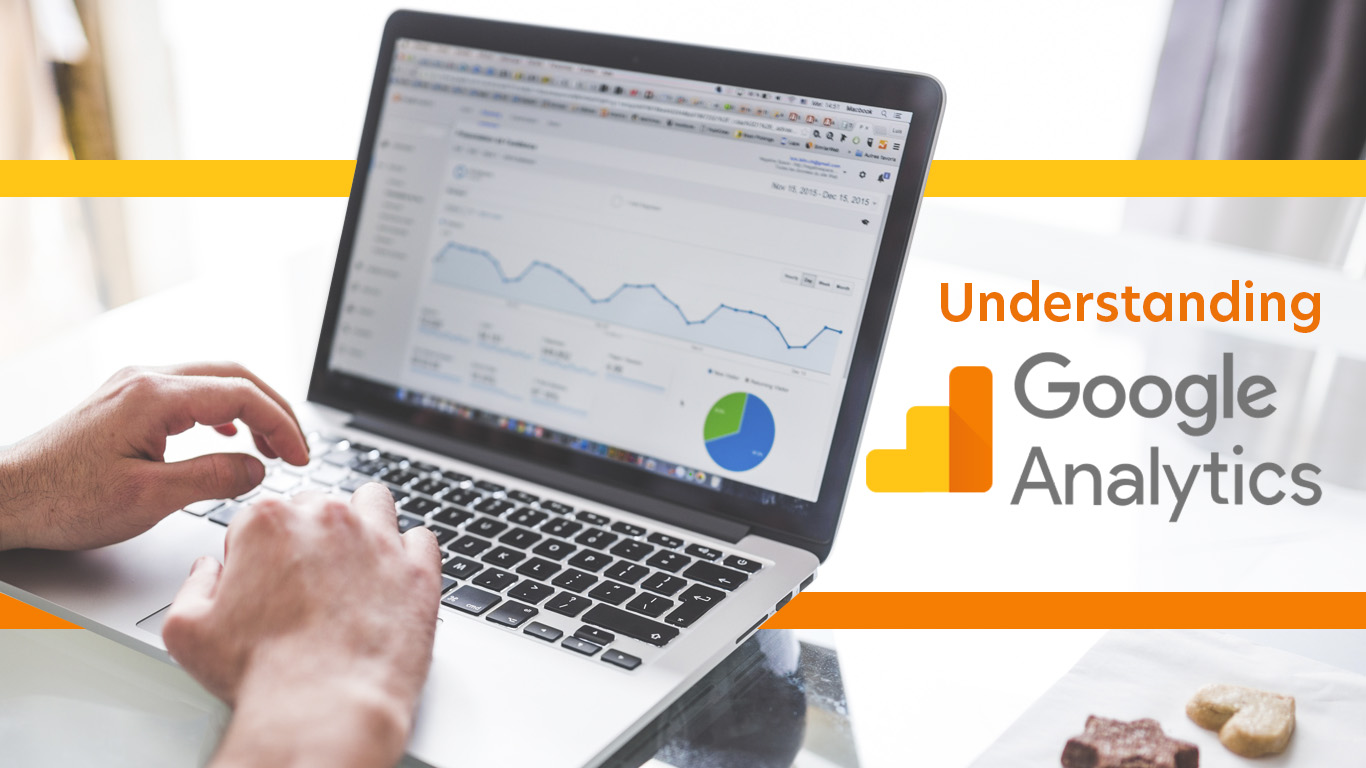
A capable agency should understand how analytics can reveal what is happening after a website launches. Tracking can help businesses identify which pages attract visitors, where customers abandon their journeys, which products receive attention, and which campaigns contribute to conversions.
This information can then support continuous improvements.
The best digital marketing agency websites often demonstrate this broader approach by connecting website development with content, SEO, paid advertising, analytics, and conversion strategy rather than treating the website as an isolated asset.
Security, Testing, and Maintenance
A Shopify store needs to work reliably after launch.
Before releasing a major update, an agency should test important functionality across browsers, devices, templates, forms, navigation elements, product pages, and integrations.
Testing should also continue after launch.
Apps may change, integrations can break, themes require updates, and business requirements evolve. An agency that provides ongoing maintenance can help identify problems before they become expensive disruptions.
What Are the Pros and Cons of Hiring a Shopify Development Agency?
Working with an experienced agency can provide access to developers, designers, SEO specialists, and ecommerce expertise without requiring a business to build an entire internal team.
It can also accelerate complex projects and provide specialized knowledge for integrations or custom functionality.
The downside is cost. A professional agency may require a larger investment than using a basic template or freelancer. There can also be communication challenges if the project scope is unclear.
Businesses can reduce these risks by defining requirements, responsibilities, timelines, deliverables, and post-launch support before development begins.
Frequently Asked Questions
What should I look for in a Shopify development agency?
Look for proven Shopify expertise, custom development capabilities, performance knowledge, SEO understanding, integration experience, testing processes, and a clear communication system.
Is custom Shopify development always necessary?
No. Many businesses can achieve their goals with a well-configured existing theme. Custom development becomes more useful when the store has unique functionality, complex integrations, or specific customer-experience requirements.
Should SEO be considered during Shopify development?
Yes. Technical SEO decisions made during development can influence site structure, crawlability, performance, and long-term organic visibility.
Conclusion

The best Shopify development partner is not simply the agency that can build a functioning online store. It is the team that understands how technology, design, SEO, performance, analytics, and customer experience contribute to ecommerce growth.
From custom theme development and API integrations to technical SEO and conversion optimization, these skills can determine whether a Shopify store becomes a basic online catalogue or a scalable sales channel.
Businesses should therefore evaluate agencies based on more than portfolios and pricing. The right partner should demonstrate strong technical knowledge, understand commercial objectives, communicate clearly, and have the ability to improve the store as the business grows.