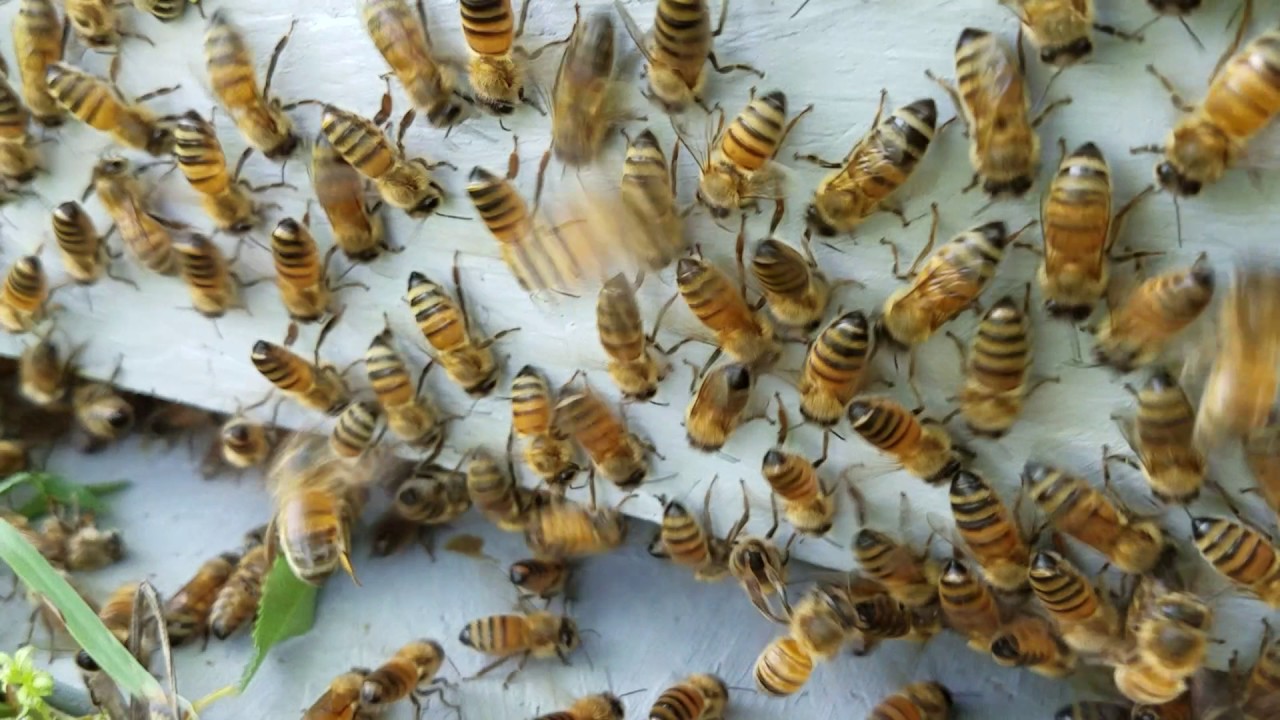
Bees often gather near entryways because these areas provide shelter, warmth, and structural gaps suitable for nesting. Door frames, vents, and shaded corners create inviting microenvironments that support colony development and protection from external disturbances. As urban environments expand, human and bee interactions increase, making it essential to adopt bee-safe strategies that prioritize coexistence.
A bee-safe approach focuses on preventing harm while addressing safety concerns around residential or commercial entryways. Rather than eliminating bees, these methods aim to redirect their activity and discourage nesting in high-traffic zones. This balance supports ecological preservation while maintaining a secure living environment.
Additionally, understanding bee behavior helps homeowners respond appropriately when activity is observed near entry points. Bees are typically non-aggressive unless threatened, meaning calm and informed responses are critical. By recognizing patterns and triggers, individuals can implement bee-safe practices more effectively and reduce unnecessary risks.
Furthermore, adopting bee-safe solutions aligns with broader environmental goals, as bees play a crucial role in pollination and ecosystem stability. Protecting them while managing their presence ensures both safety and sustainability in modern living spaces.
Maintain Bee-Safe Entryways Throughout the Year
Preventing bees from nesting near entryways requires consistent maintenance and attention to structural details around the property. Small cracks, gaps, and openings should be sealed promptly to eliminate potential nesting sites. This proactive approach significantly reduces the likelihood of bee activity in high-traffic areas.
Regular inspections of door frames, windows, and exterior walls help identify early signs of wear or damage. Addressing these issues quickly supports a bee-safe environment and minimizes future complications. Maintenance routines should be integrated into seasonal property care practices.
Natural deterrents can also contribute to keeping entryways bee-safe without causing harm to the insects. Certain scents, such as peppermint or eucalyptus, are known to discourage bees from settling nearby. Applying these deterrents strategically can help redirect their activity to more suitable locations.
In addition, maintaining cleanliness around entryways reduces the chances of attracting bees searching for food sources. Spilled sugary substances or exposed waste can draw their attention, increasing activity levels. Keeping these areas tidy supports a more controlled and bee-safe environment.
Moreover, landscaping choices influence bee behavior, as flowering plants placed too close to entryways may attract them. Positioning such plants at a distance encourages bees to remain in designated garden areas. This thoughtful arrangement enhances both safety and aesthetic appeal.
Safe and Humane Methods to Address Existing Bee Activity Near Entryways
When bees have already established activity near entryways, it is important to respond with calm and bee-safe methods that avoid harm. Observing the extent of activity helps determine whether the situation requires professional assistance or simple adjustments. This initial assessment is crucial for selecting the appropriate approach.
Relocation is often the most effective bee-safe solution when a colony is present near an entryway. Professionals specializing in humane practices can safely move the bees to a more suitable environment. For example, services like Nashville bee relocation service demonstrate how careful handling preserves both safety and ecological balance.
Additionally, temporary barriers can be used to limit direct interaction between people and bees during the relocation process. These measures help maintain a safe distance while allowing professionals to complete their work effectively. This approach ensures minimal disruption to daily routines.
It is also important to avoid using chemical sprays or aggressive removal methods, as these can harm bees and create additional risks. Bee-safe practices emphasize non-invasive techniques that prioritize long-term solutions over quick fixes. This perspective supports responsible and ethical management.
Furthermore, educating household members about proper behavior around bees enhances overall safety. Simple actions, such as avoiding sudden movements or loud noises, can prevent defensive reactions. Awareness plays a key role in maintaining a peaceful coexistence.
Integrating Bee-Safe Practices Into Daily Living Spaces
Creating a bee-safe environment extends beyond immediate problem-solving and involves integrating thoughtful practices into daily living spaces. Consistency in maintenance, cleanliness, and awareness ensures long-term effectiveness in managing bee activity near entryways. This proactive mindset reduces the likelihood of recurring issues.
Routine inspections should become a regular part of property management, allowing individuals to identify and address potential concerns early. This habit supports a continuous bee-safe approach that adapts to changing conditions. Over time, these efforts contribute to a more stable and secure environment.
Incorporating natural elements that guide bee activity away from entryways can also enhance overall harmony. For instance, creating designated pollinator-friendly zones in gardens encourages bees to remain in appropriate areas. This balance benefits both humans and the environment.
Additionally, staying informed about local bee populations and seasonal patterns helps individuals anticipate changes in activity levels. This knowledge enables timely adjustments to maintenance and preventive strategies. Awareness supports a more responsive and effective approach.
Moreover, collaboration with professionals and community initiatives can strengthen bee-safe efforts on a larger scale. Sharing knowledge and resources promotes collective responsibility for protecting pollinators. This cooperation enhances the overall impact of individual actions.
Long-Term Benefits of Adopting Bee-Safe Solutions for Entryways
Adopting bee-safe solutions for managing bees near entryways offers numerous long-term benefits for both individuals and the environment. These practices reduce the risk of unwanted encounters while preserving the essential role bees play in ecosystems. This balance supports sustainable living.
A consistent bee-safe approach also minimizes the need for emergency interventions, saving time and resources over time. Preventive measures and early action reduce the likelihood of complex situations requiring extensive solutions. This efficiency enhances overall property management.
Furthermore, maintaining a bee-safe environment contributes to a sense of confidence and comfort for residents and visitors. Knowing that safety measures are in place allows individuals to enjoy their spaces without concern. This reassurance improves quality of life.
In addition, supporting bee populations through responsible management practices aligns with broader environmental goals. Bees are vital for pollination, influencing food production and biodiversity. Protecting them ensures the continued health of natural systems.
Ultimately, integrating bee-safe strategies into everyday practices reflects a commitment to coexistence and sustainability. By prioritizing humane solutions and informed decision-making, individuals can effectively manage bee activity near entryways. This approach fosters a harmonious relationship between human spaces and the natural world.