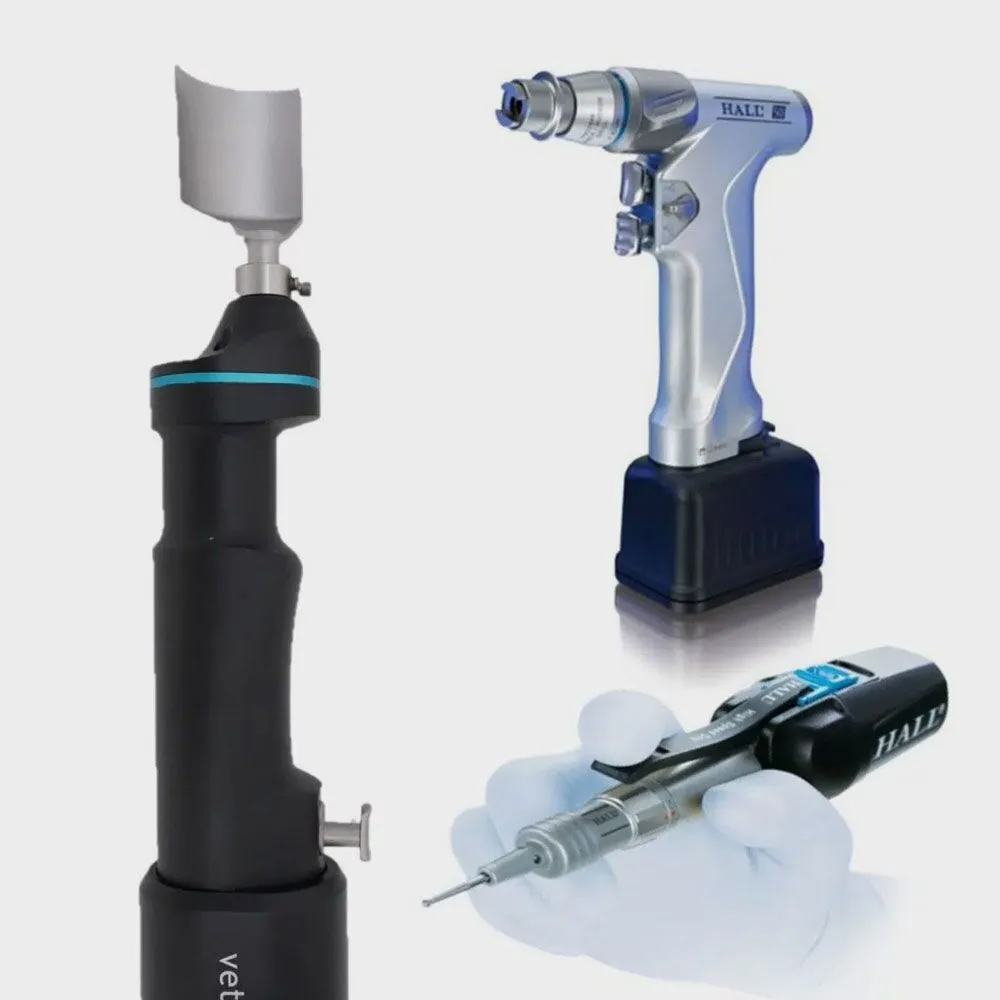
Veterinary surgery plays a vital role in maintaining and restoring the health of animals, ranging from routine procedures to complex surgical interventions. The success of these surgeries depends largely on the efficiency and reliability of the veterinary surgery tools used by veterinarians. Each procedure requires specific instruments designed to meet the unique anatomical and medical needs of animals, ensuring safety, precision, and a high standard of care.
The Importance of Veterinary Surgery Tools
Unlike human surgical instruments, veterinary surgery tools are designed to handle a broad range of animal species and sizes, from small pets like cats and dogs to large farm animals such as horses and cattle. This diversity means that veterinarians must rely on specialized tools that provide the precision and reliability needed for each distinct surgical situation. Surgical instruments used in veterinary practices include scalpels, scissors, clamps, forceps, vessel sealing devices, and specialized orthopedic tools like drills and saws.
Sterilization: Ensuring Safety of Surgery Tools
A critical factor in veterinary surgeries is the sterilization of surgical tools.
Because these tools come into direct contact with animal tissues and bodily fluids, veterinary staff must properly sterilize them before each procedure to prevent infection and cross-contamination.
Modern veterinary practices use efficient sterilization solutions designed to meet various workflow needs. These include:
- Sterpack: This system is perfect for sterilizing a single surgical instrument in just seven minutes. It is especially helpful in urgent situations where a particular tool is needed immediately, providing peace of mind that the equipment is clean and safe.
- Sterpack Plus: With a medium-sized pouch, this option allows for several instruments to be sterilized together in just 14 minutes. It suits practices that handle multiple minor procedures in a single day, enabling smooth operation without unnecessary delays.
- Sterload: This is the largest sterilization option, capable of sterilizing a full case of surgical tools in 36 minutes. It can include various items such as vessel sealers, scopes, and headlamps. Veterinary hospitals performing multiple complex surgeries benefit from this system, as it keeps a full set of equipment ready for use without compromising sterilization quality.
Using these sterilization systems ensures that veterinary teams properly disinfect every surgical instrument and prepare it for safe use, significantly reducing the risk of post-surgical infections and promoting better outcomes for animal patients.
Common Veterinary Surgery Tools and Their Applications
Different surgeries require specialized tools tailored to the specific needs of the procedure and animal species. Below are some of the most commonly used veterinary surgery tools and their typical applications:
1. Scalpels and Scissors
Scalpels are precise cutting instruments used for incisions during soft tissue surgeries such as spaying, neutering, and tumor removal. Surgical scissors are essential for cutting tissues, sutures, or bandages. These tools require precision manufacturing and regular sterilization to maintain sharpness and prevent contamination.
2. Forceps and Clamps
Forceps are used for grasping and manipulating tissues, while clamps secure blood vessels or tissues during surgery. They are critical for controlling bleeding and ensuring precise tissue handling. Proper sterilization of these tools is essential, as they frequently come into contact with blood and other fluids.
3. Vessel Sealing Devices
Surgeons use vessel sealing devices to seal blood vessels during procedures, prevent excessive bleeding, and eliminate the need for sutures.
These devices streamline procedures by reducing the time required to control bleeding and enhancing surgical efficiency. They are especially useful in both soft tissue and orthopedic surgeries. Sterilization of vessel sealing devices is typically achieved using the larger Sterload kit, ensuring readiness for frequent use.
4. Orthopedic Drills and Saws
Orthopedic procedures often require the use of specialized drills and saws to repair or remove bones. These veterinary surgery tools are designed to handle the density of animal bones and perform precise cuts without damaging surrounding tissues. They play a significant role in fracture repairs and joint stabilization procedures, making sterilization a priority to prevent bone-related infections.
Conclusion
Selecting the right veterinary surgery tools is crucial to the success of animal surgical procedures. Whether for soft tissue surgery, orthopedic interventions, or minimally invasive diagnostics, having reliable, high-quality instruments ensures precision, safety, and positive outcomes for animal patients.
Alongside proper tool selection, efficient sterilization solutions like Sterpack, Sterpack Plus, and Sterload are essential to maintaining surgical hygiene, reducing infection risks, and improving workflow in veterinary practices.