
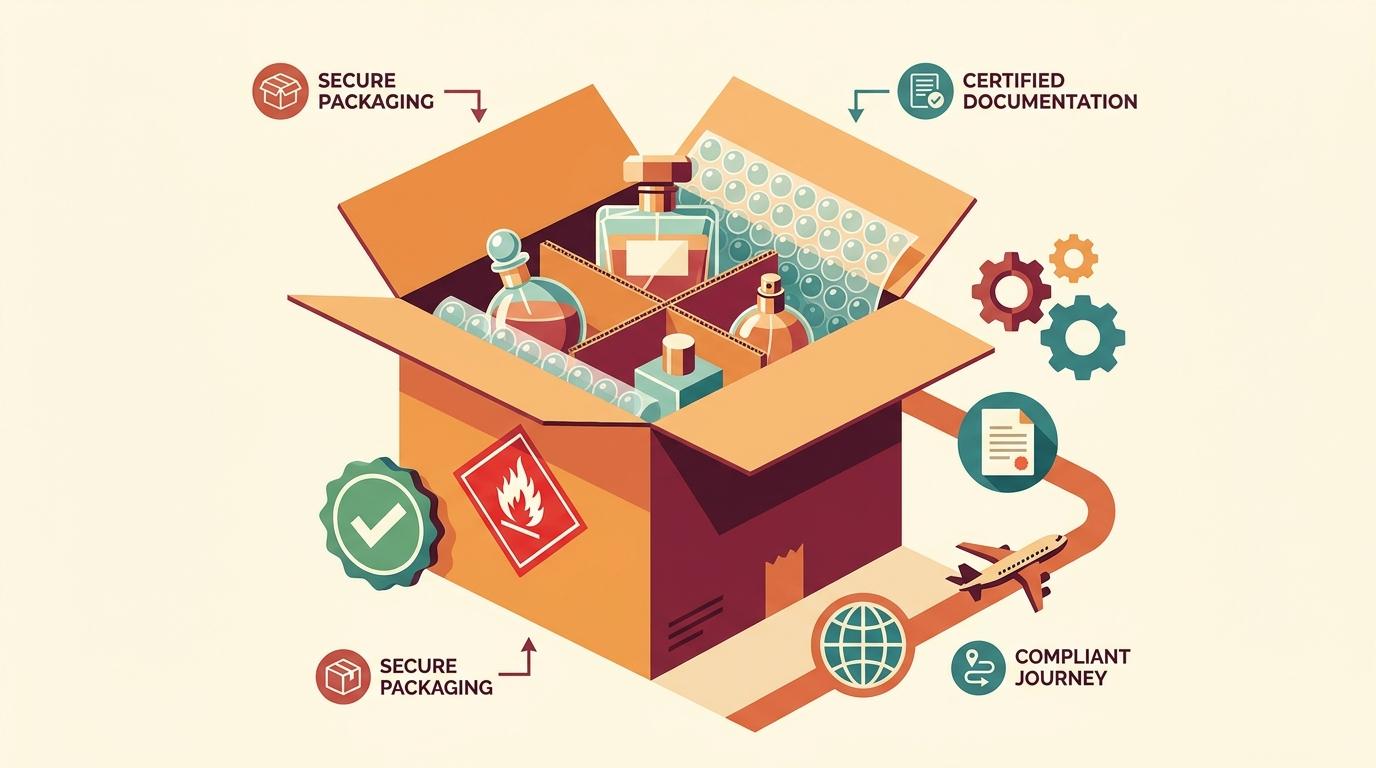
Achieving Class 3 regulatory compliance is one of the most vital operational requirements for USA-based fragrance and beauty brands looking to expand into domestic and international retail markets. Operating an e-commerce perfume business involves balancing artistic olfactory creation with stringent dangerous goods transport laws. You spend months formulating intricate scent accords, sourcing custom glass bottles, and launching digital advertising campaigns. Yet, a single non-compliant parcel intercepted during sorting or transit can trigger inventory impoundment, severe financial fines, and immediate account terminations from major logistics networks. Fine fragrances rely heavily on ethyl alcohol, which legally classifies them as Class 3 flammable liquids under the US Department of Transportation (US DOT), the Civil Aviation Authority (CAA), and the International Air Transport Association (IATA). Shipping these items through regular postal networks without declaring hazardous contents introduces unacceptable risk to your business operations.
We understand how frustrating it is to watch sales growth stall because a carrier refuses to process your cargo at an air hub or regional sorting facility. Standard third-party logistics warehouses routinely reject alcohol-based cosmetics because they lack chemical storage permits, fire-rated facilities, spill containment systems, and certified personnel. Balancing consumer expectations for fast delivery with dangerous goods safety protocols is challenging, but establishing a compliant fulfillment strategy resolves these friction points permanently. Once you implement proper packaging procedures, document workflows, and carrier partnerships, your shipments will clear all regulatory checks without incident.
Building a legally sound distribution process safeguards your brand equity and protects operating margins. When compliance is built directly into daily packing routines, your products move smoothly through automated screening points and customs entry ports, allowing your business to scale into high-value territories with complete peace of mind.
Why Is Class 3 Flammable Liquid Compliance Critical for Perfume Logistics?
Implementing compliant Class 3 dangerous goods shipping protocols is critical because ethanol-based formulations release flammable vapors that can expand or leak under standard pressure and temperature fluctuations. Flammable liquids present distinct fire hazards within confined vehicle cargo bays and pressurized aircraft hulls. Transport authorities mandate certified outer packaging, detailed Safety Data Sheets (SDS), proper shipping descriptions, and specialized hazard labels to prevent catastrophic transport incidents.
When you establish certified dangerous goods handling, you protect your brand against customs seizures, return-to-sender freight charges, and carrier blacklisting. Every outbound container must carry the required UN 1266 identification numbers, orientation arrows, and hazard warning diamonds. Major commercial parcel carriers such as FedEx, UPS, and DHL mandate formal hazardous materials shipping agreements before accepting flammable liquids into their distribution networks. Without these contracts and packaging verifications, automated X-ray scanners will flag and reject your parcels instantly.
Maintaining full transport compliance preserves uninterrupted delivery performance. When logistics providers verify that your inventory meets hazardous transport codes, your parcels move through sorting hubs without holding periods, keeping customer delivery windows dependable.
How Does Customs Compliance Impact International Perfume Shipments?
Maintaining strict customs compliance for perfume shipping accelerates border clearance by providing customs officials with transparent commercial invoices, accurate tariff classifications, and verified chemical safety data. Customs authorities worldwide use the universal Harmonized System (HS) code framework to categorize incoming goods and apply local taxes. Perfumes and toilet waters fall under HS Code 3303.00, which determines the specific duty rates and VAT applied at foreign entry ports such as London Heathrow or European gateways.
Inaccurate commercial invoices or missing safety sheets force border officials to hold cargo for manual review. To keep delivery pipelines moving, your commercial documentation must clearly state the liquid volume per bottle, net weight, ingredient breakdown, and declared transaction value. Using Delivered Duty Paid (DDP) shipping terms allows you to collect import duties and local taxes directly at your online checkout. Settling taxes upfront ensures packages clear customs automatically without stopping for buyer payment holds.
Transparent border documentation removes surprise tax bills for your international customers. When overseas shoppers receive their orders without unexpected customs fees or delivery holds, customer satisfaction improves, driving repeat sales across international markets.
What Packaging Standards Prevent Bottle Leaks and Breakage?
Rigorous packaging standards require leak-proof inner receptacles, absorbent cushioning liners, and rigid outer boxes capable of passing drop tests. Glass atomizers and cosmetic bottles are fragile, and a leaking container can ruin surrounding packages inside a delivery van or aircraft cargo hold. Building a multi-layered protective barrier keeps liquids contained throughout long transport cycles.
Start by securing atomizers and pump caps with clips or tamper-evident seals to stop accidental spraying caused by vehicle vibration. Wrap each glass container in thick bubble wrap or custom molded pulp trays that cushion against shocks. Place the wrapped bottle inside a sealed, leak-proof secondary plastic bag containing enough absorbent material to soak up the entire liquid volume if the glass breaks. Finally, pack the secondary bag into a heavy-duty corrugated box with a verified burst-test rating. Flimsy mailer envelopes offer zero impact protection and should never be used for fragile liquid cosmetics.
Proper cushioning also stops internal movement during transit. If glass bottles collide inside the outer carton, the structural integrity of the containers is compromised. Cushioning materials isolate each bottle, ensuring your shipments arrive in pristine condition.
How Do You Safely Bundle Fragrances With Leather Goods and Apparel?
You safely bundle fragrances with leather goods and apparel by isolating the liquid bottle inside a sealed, leak-proof secondary barrier before placing it next to textiles inside the outer box. Cross-selling signature scents alongside premium cotton hoodies, denim jackets, or leather handbags increases average order value significantly. However, placing porous fabrics in the same box as alcohol-based liquids creates a major risk of product ruin if a glass bottle breaks in transit.
If a glass atomizer fractures during rough handling, concentrated alcohol will permanently stain leather finishes and discolor dyed fabrics, generating costly return claims. To prevent this, seal each fragrance bottle inside a heavy-duty plastic pouch containing absorbent spill materials capable of soaking up the entire liquid volume. Place that sealed unit into a rigid inner box before packing it alongside the apparel in the outer carton. The soft garments provide extra shock absorption while the liquid remains completely isolated from your textile products.
This containment method preserves your profit margins on high-value lifestyle bundles. Training warehouse staff to handle dangerous goods with strict secondary containment protocols guarantees that cross-sold items remain completely protected from liquid spills.
Class 3 Flammable Liquids Shipping Requirements Matrix
A quick operational overview highlights the essential transport classifications and packaging rules for hazardous beauty products.
| Logistics Channel | Governing Regulation | Required Documentation | Packaging Standard |
|---|---|---|---|
| Domestic Ground (USA) | US DOT / 49 CFR Part 173 | Standard Manifest (Limited Qty) | Rigid Outer Carton with LQ Diamond |
| International Air Express | IATA Dangerous Goods Regulations | Shipper’s Declaration (DGD) + SDS | UN Specification Box (Packing Instruction 355) |
| European Road Transport | ADR Agreement | ADR Transport Document | Combination Packaging with Class 3 Markings |
| Global Ocean Freight | IMDG Code | Dangerous Goods Manifest / Multimodal Form | Palletized Hazard Enclosure with Placards |
What Red Flags Should You Avoid When Sourcing Overseas Packaging?
The main red flags to avoid when sourcing overseas packaging include manufacturers refusing to supply chemical safety data sheets, inconsistent bottle pump crimps, thin glass mouldings, and uncertified outer boxes. From a USA-based brand perspective, importing glass bottles, spray pumps, or finished cosmetic formulations from overseas suppliers requires strict quality audits before shipping inventory to your fulfillment warehouse.
Always demand an up-to-date, 16-section Safety Data Sheet (SDS) from your manufacturer verifying the exact flash point and alcohol percentage of the liquid. Inspect sample glass bottles under pressure changes to confirm that the atomizer crimp maintains an airtight seal. Weak pump seals leak when exposed to low cargo hold pressures during flight, ruining outer packaging and inviting carrier penalties. Working with suppliers who fail to provide certified drop-test reports puts your entire inventory at risk during import checks.
Conducting upfront supplier audits protects your brand against catastrophic supply chain failures. Partnering with certified manufacturers guarantees that your packaging materials meet rigorous international dangerous goods standards from the day they leave the factory floor.
Also read: Top 10 ADU Plans for Rental Income and Family Living
How Do Limited Quantity Rules Reduce Shipping Costs?
Limited quantity rules reduce shipping costs by allowing small consumer-sized cosmetic bottles to travel via ground road networks without expensive full hazmat documentation surcharges. Under US DOT and European ADR guidelines, alcohol-based liquids packed in individual containers under specific volume limits qualify for simplified surface transport rules. This exemption streamlines daily packing operations while lowering carrier fees.
To use this exception legally, your outer packaging must feature the distinct black-and-white diamond mark on a flat vertical surface. While full UN-certified specification boxes are not required for ground shipments under limited quantity rules, outer cartons must still survive compression and drop tests. Leveraging limited quantity ground shipping for domestic and regional delivery legs keeps freight costs low while maintaining total legal compliance.
Frequently Asked Questions (FAQs)
1. Can I ship alcohol-based perfume internationally using standard postal air mail?
No, shipping alcohol-based perfumes via standard postal air mail is illegal under international aviation safety regulations. Flammable liquids require certified dangerous goods couriers with approved hazard contracts.
2. What is the UN number assigned to fragrance shipments?
The United Nations identification number assigned specifically to perfumery products containing flammable solvents like ethyl alcohol is UN 1266.
3. Why do shipping couriers charge hazardous surcharges for cosmetics?
Couriers charge hazmat surcharges to cover specialized handling, dedicated ground transport vehicles, regulatory audits, and safety equipment required for managing flammable cargo safely.
4. How does cargo hold pressure affect liquid perfume bottles during flights?
Decreased cargo hold pressure during flight causes air and liquid inside sealed bottles to expand, which can trigger cap leaks or glass breakage if the container is poorly sealed.
Build a Compliant Fragrance Shipping Network
Building a successful fragrance business requires more than creating memorable scents and sleek product branding. Securing leak-proof packaging, mastering carrier regulations, protecting cross-sold apparel, and vetting overseas suppliers transforms your logistics operations into a dependable growth driver. When your compliance infrastructure runs smoothly, your business can scale confidently into high-value global markets.
At Ship-Perfume, we provide complete, compliant, and reliable international fragrance and beauty fulfillment services. We handle strict hazmat packing rules, dangerous goods declarations, and border clearances so you can focus on expanding your global brand. Contact Ship-Perfume today to optimize your logistics operations and scale your deliveries with total confidence.