Living with spondylolisthesis can make everyday movement feel difficult. Simple tasks like standing, walking, bending, or getting out of bed may trigger discomfort in the lower back. While treatment depends on the severity of the condition, the right exercises may help reduce pain, improve spinal support, and increase mobility.
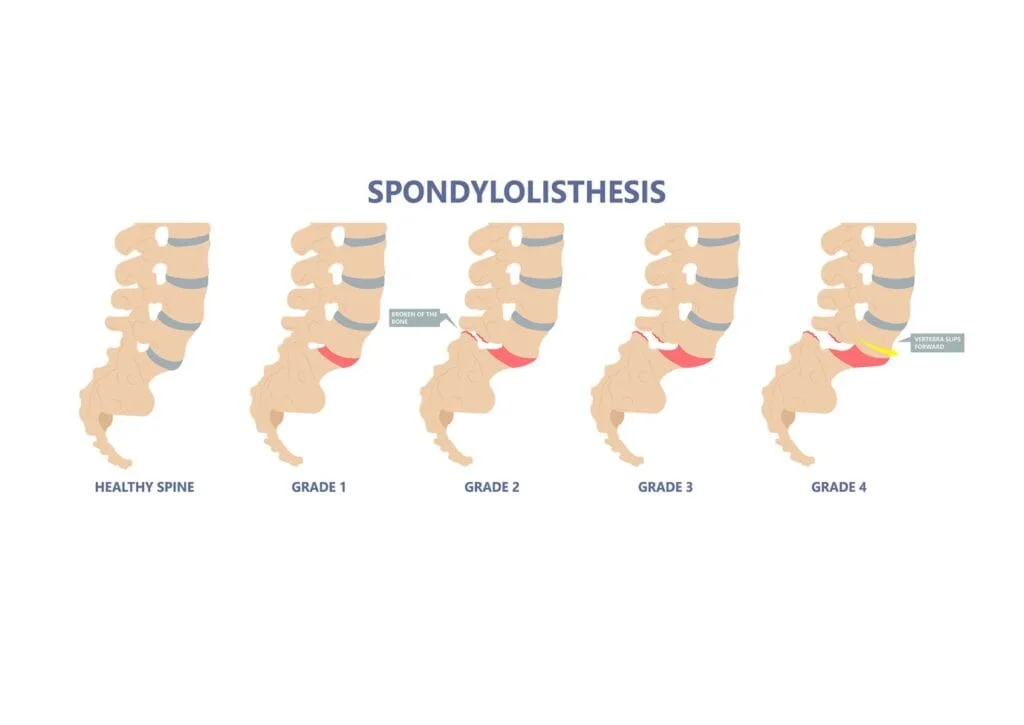
Spondylolisthesis happens when one vertebra slips forward over the bone below it. This can place stress on the lower back, nerves, and surrounding muscles. In many cases, strengthening the core and improving flexibility can help manage symptoms.
If pain is severe or worsening, always speak with a healthcare provider before starting exercise.
Why Exercise Can Help Spondylolisthesis
Many people assume back pain means complete rest. In reality, gentle movement is often helpful. Safe exercises may:
- Strengthen the abdominal and back muscles
- Improve posture and spinal alignment
- Reduce stiffness
- Support better balance and movement
- Decrease pressure on the lower spine
The goal is not intense workouts. It is controlled movement that builds stability over time.
Best Exercises That May Help Spondylolisthesis Pain
1. Pelvic Tilts
Pelvic tilts help activate the deep abdominal muscles and support the lower back.
How to do it:
- Lie on your back with knees bent
- Keep feet flat on the floor
- Tighten your stomach muscles
- Gently flatten your lower back into the floor
- Hold for 5 seconds
- Repeat 10 times
This is often one of the safest starter exercises.
2. Knee to Chest Stretch
This gentle stretch can ease lower back tension.
How to do it:
- Lie on your back
- Bring one knee toward your chest
- Hold behind the thigh for 15 to 20 seconds
- Switch sides
- Repeat 3 times each leg
Move slowly and avoid forcing the stretch.
3. Bird Dog Exercise
This exercise improves balance and core control.
How to do it:
- Start on hands and knees
- Extend one arm forward and the opposite leg backward
- Keep your spine neutral
- Hold for a few seconds
- Return and switch sides
- Repeat 10 times
This movement helps train spinal stability.
4. Partial Crunches
Strong abdominal muscles help reduce stress on the lower spine.
How to do it:
- Lie on your back with knees bent
- Cross arms over chest
- Tighten abdominal muscles
- Lift shoulders slightly off the floor
- Lower slowly
- Repeat 10 to 15 times
Avoid full sit ups, which may strain the back.
5. Hamstring Stretch
Tight hamstrings can increase lower back stress.
How to do it:
- Sit on the floor with one leg extended
- Reach gently toward your foot
- Keep the knee slightly bent if needed
- Hold for 20 seconds
- Repeat on both sides
Exercises to Avoid With Spondylolisthesis
Some movements may worsen symptoms, especially those involving hyperextension of the spine.
Use caution with:
- Deep back bends
- Heavy weightlifting
- High impact jumping
- Full sit ups
- Twisting motions with weight
- Running on hard surfaces if painful
If an exercise increases pain, stop and seek guidance.
Tips for Safe Exercise
To get the best results:
- Start slowly
- Focus on form, not speed
- Exercise consistently
- Stop if pain shoots down the leg
- Use a firm mat or supportive surface
- Pair movement with good posture habits
Even 10 to 15 minutes a day can make a difference over time.
When to See a Specialist
Exercise can help many people, but some cases need medical care. Seek evaluation if you have:
- Persistent back pain
- Numbness or tingling
- Weakness in the legs
- Trouble walking
- Loss of bladder or bowel control
- Pain that limits daily life
These symptoms may require imaging, physical therapy, or advanced treatment.
Conclusion
The right exercises for spondylolisthesis pain can improve strength, mobility, and daily comfort. Gentle core work, stretching, and stability training are often the most helpful starting points. Progress should be gradual and pain free whenever possible.
If symptoms continue, getting expert guidance is the safest next step. A personalized plan can protect your spine while helping you stay active.
Frequently Asked Questions
What is the best exercise for spondylolisthesis pain?
Pelvic tilts are often recommended because they gently strengthen the core and support the lower back.
Can walking help spondylolisthesis?
Yes, walking may help improve circulation, reduce stiffness, and maintain mobility if done comfortably.
Should I avoid exercise with spondylolisthesis?
Not usually. Safe, guided exercise is often beneficial. High impact or painful movements should be avoided.
Can core exercises help spondylolisthesis?
Yes, stronger core muscles can support the spine and reduce stress on the lower back.
When should I stop exercising?
Stop if you feel sharp pain, worsening symptoms, leg weakness, or nerve pain, and consult a healthcare professional.