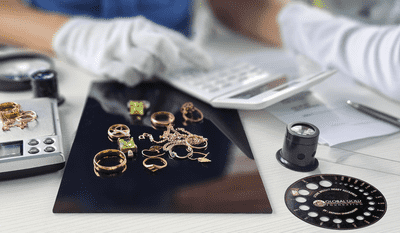
Why the Gold Appraisal Rate Is More Than Just a Number
If you’ve ever stood at a jewellery counter or a gold buyer’s desk, you’ve probably felt that quiet tension. Is this price fair? Am I getting shortchanged? That’s where the gold appraisal rate steps in. It’s not just a figure scribbled on paper. It’s the bridge between emotion and economics, sentiment and sale value.
Gold isn’t an ordinary asset. It carries stories—wedding memories, family savings, emergency cushions. So when someone tells you what your gold is “worth,” it hits differently. Knowing the gold appraisal rate helps you stay grounded. It gives you clarity when emotions might otherwise blur judgment.
And honestly, who doesn’t want that confidence when money is involved?
First Things First: What Exactly Is the Gold Appraisal Rate?
At its core, the gold appraisal rate is the assessed value of gold based on purity, weight, and prevailing market prices. Simple, right? Well, yes and no.
It’s not the same as the headline gold rate you see online or in newspapers. That rate usually refers to pure gold—24 karat. Most jewellery isn’t that pure. Bangles, chains, rings? They often sit at 22K, 18K, or even lower. The appraisal rate adjusts for all that.
Think of it like this: the market rate is the starting point, not the final answer.
Purity: The Quiet Decider Behind the Price
Purity does most of the heavy lifting in gold appraisal. A small difference in karats can quietly shave off a noticeable amount from the final value.
- 24K: Pure gold, usually bars or coins
- 22K: Common in traditional jewellery
- 18K: Popular for modern designs
- 14K or below: Seen in lightweight or imported pieces
During appraisal, purity is tested using methods like acid tests, electronic meters, or XRF machines. No drama. Just science doing its thing. The higher the purity, the closer your gold appraisal rate gets to the market gold price.
You know what surprises many sellers? Even a beautifully crafted ornament loses value if purity dips.
Weight Isn’t Always What It Seems
Here’s a detail many people overlook. The weight considered for the gold appraisal rate is net gold weight, not the gross weight.
That means:
- Stones, beads, or enamel work are excluded
- Clasps or non-gold parts may be deducted
So yes, that heavy necklace might not be as heavy in gold terms as it feels in your hand. It’s not cheating; it’s standard practice. Knowing this beforehand saves you from that awkward “wait, what?” moment at the counter.
How Market Movements Sneak Into Appraisal
Gold prices shift daily. Sometimes hourly. Global demand, currency changes, inflation fears—all of it plays a role. The gold appraisal rate always leans on the current market rate of gold on that day.
This is why timing matters. Selling gold during a price surge can noticeably improve your payout. Buying when prices cool down? That’s a win too.
A casual tip: check the gold rate for a few days before a major transaction. Patterns show up if you’re paying attention.
Making Charges and Why They Don’t Matter When Selling
When buying jewellery, making charges feel like a punch to the wallet. But when selling? They’re irrelevant.
The gold appraisal rate ignores:
- Design complexity
- Brand value
- Making charges paid earlier
Only metal value counts. It may sting emotionally, especially if you paid a premium for craftsmanship, but resale plays by different rules. Gold is gold. Designs don’t weigh in.
Buying Gold? The Appraisal Rate Still Matters
Most people think appraisal is only for sellers. Not true.
If you’re buying gold coins, bars, or even jewellery, understanding the gold appraisal rate helps you spot inflated prices. It tells you whether you’re paying too much over the base value of gold.
Ask questions. What’s the purity? What’s today’s gold rate? How much premium is added? A seller who’s transparent about these details is usually worth trusting.
Emotional Gold vs Practical Gold
There’s sentimental gold and there’s practical gold. Appraisal focuses on the practical side. Memories don’t add grams or karats. That doesn’t mean emotions are invalid. It just means appraisal stays neutral.
This emotional disconnect often catches people off guard. A ring passed down generations might appraise lower than expected. That’s tough, but knowing the gold appraisal rate beforehand softens the blow.
Common Myths That Deserve to Be Retired
Let’s clear some fog.
Myth: Heavier jewellery always means higher value
Reality: Purity and net weight matter more
Myth: Old gold is worth less
Reality: Gold doesn’t age. Purity stays the same
Myth: Appraisers decide rates randomly
Reality: Rates follow market prices and testing results
Believing these myths can cost you real money.
The Role of Transparency in Appraisal
A fair gold appraisal rate comes from transparency. Reputable buyers explain how they test purity, how weight is measured, and which gold rate they’re using.
If someone rushes the process or avoids questions, pause. You’re allowed to ask. It’s your gold.
A good appraisal feels calm, clear, and pressure-free. Anything else? Walk away.
Why Two Appraisals Can Show Different Rates
Yes, it happens. And it’s not always foul play.
Differences may come from:
- Slight variations in purity testing
- Different market rate timing
- Rounding methods
Getting two appraisals isn’t overkill. It’s smart. Patterns emerge quickly, and you’ll know which offer makes sense.
Gold Coins, Bars, and Jewellery: Appraisal Isn’t Equal
Coins and bars usually fetch a better gold appraisal rate because:
- Purity is higher
- No stones or wastage
- Easier verification
Jewellery, while beautiful, often has deductions. If your goal is future resale, this difference matters when choosing what form of gold to buy.
When Should You Check the Gold Appraisal Rate?
Honestly? More often than you think.
- Before selling gold
- Before buying in bulk
- During price rallies
- When planning major expenses
Staying aware keeps you financially alert. Gold rewards those who pay attention.
FAQs on Gold Appraisal Rate
- Is the gold appraisal rate the same everywhere?
No. It’s based on market price, but minor variations occur due to testing methods and timing. - Does jewellery brand affect the appraisal rate?
Not at all. Appraisal looks only at gold content, not branding. - Can I negotiate based on the gold appraisal rate?
Yes. Knowing the rate strengthens your position. - Is old gold valued less than new gold?
No. Gold’s value depends on purity and weight, not age. - How often does the gold appraisal rate change?
It can change daily, sometimes multiple times a day, based on market movements.
A Simple Thought Before You Act
Gold has a way of mixing logic with emotion. The gold appraisal rate brings balance. It keeps decisions fair, informed, and grounded in reality.
Whether you’re buying for security or selling for need, understanding this rate puts you back in control. No guesswork. No second-guessing later.
Call to Action
Before you buy or sell gold, pause for a moment. Check the gold appraisal rate. Ask questions. Compare values. That small effort can protect your money and your peace of mind.
Because when it comes to gold, clarity is worth just as much as the metal itself.