Walk into most workplaces, and you’ll see the basics. Exit signs. A fire extinguisher mounted on the wall. Maybe a faded evacuation map no one’s looked at in years. On paper, it looks fine. In reality, not always. That’s where fire safety certification starts to matter. Not as a checkbox, but as a real shift in how people think and react when things go wrong. And they do go wrong.
Why Fire Safety Still Gets Ignored (Until It Doesn’t)
Fire risks don’t feel urgent. Not like a broken machine or a missing guard. Fires are “what if” problems. Until smoke fills a hallway or an alarm starts screaming for real. Most workplace fires aren’t dramatic movie scenes. They start small. Overloaded outlets. Poor storage. Someone is propping open a fire door because it’s annoying. These little habits stack up. Fire safety certification forces people to slow down and notice those habits. That alone makes a difference.
It also changes who’s responsible. Instead of “someone should handle that,” trained staff know it’s partly on them. That mindset shift is quiet, but powerful.
What Fire Safety Certification Actually Covers
A lot of people think certification is just sitting through a boring class. It’s more than that. Or at least, it should be. Good fire safety certification covers fire behaviour, not just rules. How fires start. How fast does smoke move? Why panic makes things worse. You learn about extinguishers, sure, but also when not to use them. That part matters. Knowing when to back off can save lives. There’s evacuation planning, too. Real planning, not a poster on the wall. Who helps visitors? Who checks bathrooms? Who shuts down equipment if there’s time? It’s messy. It’s practical. It feels real.
Training Turns Panic Into Muscle Memory
In an emergency, people don’t rise to the occasion. They fall back on training. Or lack of it. Certified fire safety training builds muscle memory. You hear the alarm, and your brain doesn’t freeze. You already know what to do next. Maybe not perfectly, but enough. Even small things help. Knowing which stairwell to use. Knowing not to use elevators. Knowing where the assembly point actually is. These aren’t big heroic moves. They’re basic. And that’s the point.
Reducing Injuries, Damage, and Downtime
Workplace fires cost more than repairs. They shut businesses down. Sometimes forever. Insurance doesn’t fix lost clients or broken trust. Fire safety certification reduces those risks. Trained employees spot hazards earlier. They report issues instead of ignoring them. Fires that might’ve spread get contained faster, or avoided entirely. Injuries drop too. Burns, smoke inhalation, panic-related falls. These aren’t rare. They’re common when people don’t know what they’re doing. Training doesn’t eliminate risk, but it narrows the window where things spiral.
Compliance Is Part of It, But Not the Whole Story
Yes, certification helps with compliance. Fire codes, OSHA requirements, and local regulations. Inspectors like seeing trained staff. Insurers do too. But focusing only on compliance misses the point. Rules don’t save people. Actions do. Fire safety certification works best when it’s treated as protection, not paperwork. You can feel the difference in workplaces that take it seriously. Drills aren’t a joke. Equipment is maintained. People speak up when something’s off. That culture doesn’t come from a memo.
Leadership Plays a Bigger Role Than People Admit
If management treats fire training like a chore, employees will too. It’s that simple. When leaders show up. When they participate. When they follow the same rules. It sends a signal. Fire safety matters here. Certified supervisors are especially important. They make decisions under pressure. They guide evacuations. They keep things from turning chaotic. Without training, they’re guessing. And guessing during a fire is a bad plan.
Certification Strengthens Overall Safety Awareness
Something interesting happens after proper fire safety certification. People start noticing other risks too. Blocked exits. Poor lighting. Faulty wiring. Training sharpens awareness beyond fire alone. It creates a safety-first lens that sticks around. That ripple effect improves the entire workplace. Fewer accidents. Better reporting. More accountability. Fire training becomes the entry point to broader safety thinking.
The Link Between Fire Training and Professional Security Support
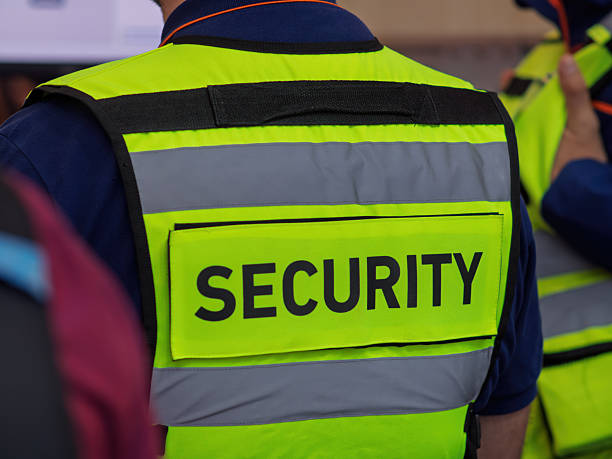
In larger facilities, fire safety doesn’t operate in a vacuum. It connects with emergency response, access control, and trained personnel on-site. That’s where professional support comes in. Many businesses already rely on security services in NYC to manage safety and emergencies. When those teams are aligned with certified fire safety protocols, response times improve. Coordination improves. Confusion drops. Everyone knows their role, and overlaps don’t turn into gaps.
Why Skipping Certification Is a Risk, Not a Savings
Some companies avoid certification to save time or money. It feels harmless. Until it isn’t. The cost of training is predictable. The cost of a fire isn’t. Injuries. Lawsuits. Shutdowns. Reputational damage. Those numbers climb fast. Fire safety certification isn’t about fear. It’s about preparation. Quiet, steady, unglamorous preparation that pays off when it counts.
Conclusion: Training That Actually Protects People
Fire safety certification improves workplace safety because it changes behaviour. Not overnight. Not magically. But steadily. It replaces assumptions with knowledge. It turns emergency response from chaos into coordination. From panic into movement. From confusion into action. Most importantly, it protects people. Employees. Visitors. First responders. And in the end, that’s what workplace safety is supposed to be about. Not ticking boxes. Not looking compliant. Just making sure everyone goes home at the end of the day.