
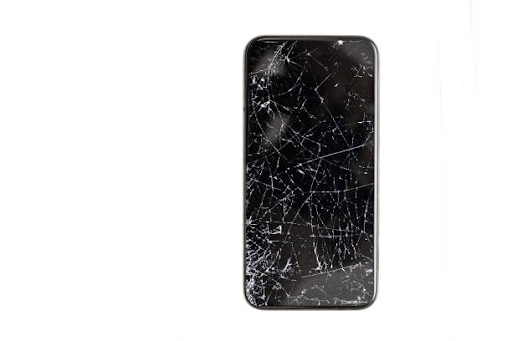
Dropping your phone is one of those things everybody does, even the people who swear they “never crack screens.” One bad fall on concrete and suddenly you’re searching for iPhone glass replacement options at 11 PM while trying to type around spiderweb cracks. It happens fast. And honestly, a cracked screen is more than just ugly. Sometimes the touch starts lagging, tiny glass pieces come loose, or the display slowly dies over the next few days. That’s usually when people realize they waited too long.
The thing most people don’t understand is that not every cracked screen means the whole phone is ruined. In a lot of cases, the outer glass can be repaired or replaced before more serious damage happens. But timing matters. The longer you ignore it, the worse — and more expensive — it can get.
What Actually Happens During iPhone Glass Replacement
A lot of folks think screen repair means slapping on a new piece of glass and calling it a day. Not really. Modern iPhones are built tightly. The screen assembly includes the glass, display panel, touch sensors, and sometimes extra layers fused together. So the repair process depends on how bad the damage actually is.
If only the top glass is cracked and the OLED or LCD underneath still works perfectly, technicians may separate the broken glass from the display using specialized equipment. It’s delicate work. Heat machines, thin cutting wire, pressure tools, and adhesive curing. One wrong move and the screen underneath gets damaged too. That’s why cheap repair shops sometimes mess it up.
In more severe cases, the entire display assembly gets replaced instead. It costs more, yeah, but sometimes that’s the only smart option.
Signs You Shouldn’t Ignore a Cracked Screen
Truth is, some people walk around with shattered screens for months. Maybe because the phone still “works fine.” But damage spreads. Tiny cracks grow bigger every week, especially when heat gets involved. Then moisture sneaks inside. That’s when real problems start.
If your screen flickers, has black spots, random touch issues, or dead areas that stop responding, don’t wait around hoping it fixes itself. It won’t. Another thing people ignore is exposed glass edges. Those tiny sharp spots can actually cut your fingers. Sounds dramatic, but it happens more than you’d think.
Battery drainage can also happen after impact damage. Internal components shift slightly. The phone works harder. Weird stuff starts happening slowly, not all at once.
Why Cheap Repairs Usually End Up Costing More
Everybody wants a deal. Makes sense. But ultra-cheap screen repairs are usually cheap for a reason. Low-quality replacement glass, weak adhesive, poor calibration. Sometimes the screen brightness changes after repair or Face ID suddenly stops working.
The short answer is this — quality matters a lot with iPhones.
Good repair technicians use proper tools and quality-grade parts. They test touch responsiveness, color accuracy, sensors, and sealing before handing the phone back. Bad shops rush the job in twenty minutes and hope you don’t notice the issues until later.
And honestly, some repairs fail within weeks because corners were cut. Loose adhesive is a common one. You’ll notice the screen lifting near the edges after a little heat exposure in your car.
When It’s Better to Replace the Entire Screen
Here’s where people get confused. Glass replacement and screen replacement are not always the same thing. If the display underneath is damaged, the whole assembly usually needs replacing.
You’ll know something deeper is wrong if:
- The screen shows green lines
- black ink-like spots spread
- touch stops responding completely
- brightness becomes uneven
- The display flickers randomly
At that point, replacing just the glass won’t solve anything. The internal display layer is already compromised. A full-screen replacement may sound expensive, but dragging out the repair usually leads to even bigger issues later.
Sometimes customers try using the phone until it fully dies. Bad idea. Internal damage can affect other components over time.
How Long You Should Wait Before Repairing It
Honestly? Not long.
A small crack today can turn into total screen failure next week. Especially if the phone gets dropped again. Even minor pressure in your pocket can make cracks spread under the glass layer.
Water resistance is another big thing people forget about. Once the screen cracks, the original seal protecting your iPhone from moisture is compromised. Rain, humidity, spilled coffee — suddenly, all of that becomes risky. You may not notice the damage immediately, either. Corrosion happens slowly inside the phone.
Getting repairs done early is usually cheaper, simpler, and safer. Waiting rarely helps.
DIY Repair Kits Sound Good Until They Don’t
There are thousands of DIY screen repair videos online. Some make it look ridiculously easy. Tiny screwdriver, suction cup, done in fifteen minutes. Reality is usually uglier.
Modern iPhones have fragile flex cables and sensitive internal connectors. One slip while opening the device and you can damage Face ID permanently. That repair alone can cost way more than professional service.
And let’s be real, most people don’t have clean workspaces, heat mats, precision tools, or anti-static setups sitting at home. Dust trapped under the display during installation is another common problem with DIY jobs. Once it’s there, you’ll see it forever.
Unless you’ve repaired phones before, it’s usually smarter to let a technician handle it.
Finding the Right Repphone glass repair near meair Shop Matters More Than People Think
Not every repair place deserves your phone. Some shops focus on speed instead of quality, and that becomes obvious later. You want technicians who actually explain what’s damaged instead of instantly pushing the most expensive repair possible.
A solid repair center will inspect the device first, test the display, and give realistic expectations. The best mobile phone repair shops also stand behind their work with some kind of warranty. That matters more than flashy advertising or “lowest price guaranteed” signs taped to the window.
Reviews help, too, but read the detailed ones. Not just star ratings. Customers usually mention recurring issues if repairs fail later.
Conclusion
A cracked iPhone screen might seem minor at first, but these things rarely stay small for long. Glass damage can lead to touch problems, display failure, moisture exposure, and sometimes full device breakdown if ignored too long. Getting an iPhone repaired early almost always saves money and frustration later on.
The main thing is knowing the difference between a quick cosmetic crack and deeper screen damage. Once you understand how iPhone glass replacement actually works, it becomes easier to make the right call instead of putting it off. Because eventually, every cracked screen gets worse. That part’s pretty much guaranteed.