
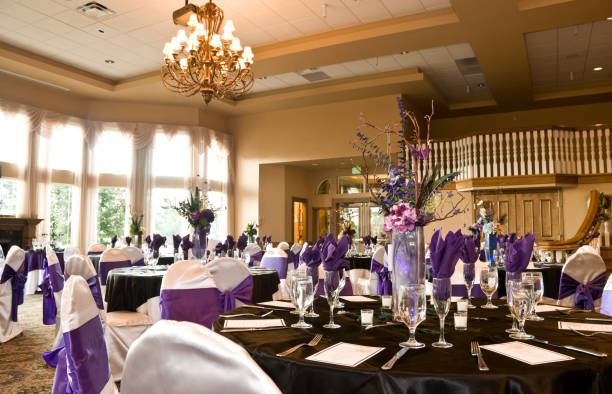
Planning an event with a tight budget is… yeah, a bit of a headache at first. You start off excited, then the numbers creep in and suddenly everything feels overpriced. Chairs cost more than you expected. Food adds up fast. Even small stuff somehow isn’t small. But here’s the thing most people don’t realize right away—you can still pull off something that feels high-quality without throwing money at every problem. I’ve seen people spend smart on Party Decorations in Pittsburgh and get a better result than someone who just kept adding expensive pieces without thinking it through.
Start With Priorities (Not Random Ideas You Saved at 2AM)
Before booking anything, slow down a second. What actually matters for your event? Not ten things—like two or three. That’s it. Maybe it’s food, maybe music, maybe just the overall vibe where people don’t feel awkward standing around. A lot of people skip this and just start collecting ideas. Bad move. You end up trying to do everything halfway. Pick a few things, do those properly, let the rest be simple. It works better, even if it feels like you’re “doing less.”
Budget… Then Cut It a Little (Annoying but Necessary)
Nobody likes this part. You make a budget, it looks fine, then reality shows up. Extra costs, service fees, stuff you didn’t think about. Happens every time. So yeah, build your budget—but don’t trust it fully. Trim it down a bit on purpose. It forces better decisions. You stop saying “sure, add that” and start asking “do I even need this?” That shift saves you more than any discount ever will.
Venue Choice Can Either Help You or Hurt You
Some venues look cheap, but they’re not. You just don’t see the hidden work yet. Bad lighting, weird layout, not enough seating—you’ll end up fixing all of that. And fixing costs money. Try to find a place that already feels okay without much effort. Not perfect, just workable. Clean, decent lighting, space that makes sense. That alone cuts down a lot of extra spending you didn’t plan for.
Decor—Do Less, But Do It On Purpose
This is where people lose control a bit. They keep adding things thinking more equals better. It doesn’t. It usually just looks crowded. Focus on one or two areas—like a backdrop or entry—and make those stand out. Leave the rest alone. Seriously. And lighting… I know, everyone says it, but it’s true. Good lighting can make basic decor look like you planned it that way. Without it, even expensive setups feel off.
Food: Keep It Simple, Keep It Good
You don’t need a huge menu. Most guests won’t even try everything. Just make sure what you serve is actually good and there’s enough of it. Buffets are easier to manage. Smaller menus are easier to control. Too many options = more cost, more stress, and usually more waste. It’s not worth it. People remember if the food tasted good, not how many choices they had.
Actually Talk to Vendors (Don’t Just Compare Prices Online)
This one gets overlooked a lot. People just scroll, compare numbers, and pick something. But if you actually talk to vendors—especially local ones—you’ll often get better options. They might suggest alternatives, tweak packages, or tell you straight up what you don’t need. Which is useful. Not everything has to be locked into a fixed deal.
Timing Isn’t Just a Detail, It Changes Costs
Weekend nights cost more. No way around it. If you can shift even a little—weekday, afternoon, something off-peak—you might save a decent chunk. Same setup, same place, just a different time. Not always ideal, sure. But if budget matters, it’s worth thinking about before you lock your date too early.
People Care More About Comfort Than “Wow” Moments
This part is easy to ignore. Everyone wants that one impressive detail. But honestly, guests care more about simple things—having a place to sit, not waiting forever for food, being able to move around easily. If those basics are off, no amount of fancy decor will fix the mood. Get the comfort right first. Everything else is extra.
Spend Smart, Not Evenly
You don’t need to spend the same level of money everywhere. That’s a mistake. Put more into things people directly experience—food, seating, sound. Pull back on things they barely notice. You don’t need premium versions of every little detail. Half of it blends into the background anyway.
Don’t Overfill the Space (It Backfires)
I’ve seen events where there’s just too much packed into one room. Decorations everywhere, tables too close, no breathing room. It feels messy fast. A decent Event Space in Pittsburgh doesn’t need to be overloaded to look complete. Sometimes leaving space empty actually makes the whole setup feel more put together. Hard to explain, but you notice it when you walk in.
Final Thoughts: It’s Really Just About Better Choices
At the end of the day, budgeting an event isn’t about stripping everything down until it feels cheap. It’s more about being a bit sharper with your decisions. Not every idea needs to happen. Not every detail needs to be upgraded. Focus on what actually shapes the experience, ignore the rest. And yeah, a few small imperfections? Nobody really cares. If people had a good time, that’s what sticks. The rest fades out pretty quickly.