Preserving a wedding dress is not just about keeping a garment. It’s about safeguarding memories of a day filled with love, joy, and celebration. Many brides cherish the idea of keeping their gowns as heirlooms, passing them down through generations. In this guide, we’ll explore the best practices to ensure your dress remains as beautiful as the day you wore it.
Understanding the importance of proper preservation methods is crucial. When you engage in traditional wedding dress preservation, you’re ensuring that delicate fabrics and intricate designs withstand the test of time. It involves careful cleaning and storage techniques that prevent yellowing, fabric deterioration, and damage from environmental factors.
Initial Cleaning: The First Step
The journey of preserving your wedding dress starts immediately after the ceremony. Stains from makeup, sweat, and food can set if not treated promptly. Consider these initial steps:
- Spot Cleaning: Address visible stains as soon as possible. Use gentle, non-abrasive cleaners that are safe for delicate fabrics.
- Professional Cleaning: It’s often best to seek professional cleaning services experienced in handling wedding dresses. They use specialized techniques to remove impurities without risking damage.
Choosing the Right Preservation Method
Once your dress is clean, the next step is to choose a preservation method. Various options are available, each with its own benefits:
- Acid-Free Storage: Use acid-free tissue paper and boxes to store your dress. This prevents chemical reactions that can cause fabric yellowing over time.
- Vacuum Sealing: Some opt for vacuum-sealed bags to reduce oxidation. However, this method can compress fabrics and decorations, so it’s not suitable for all dress types.
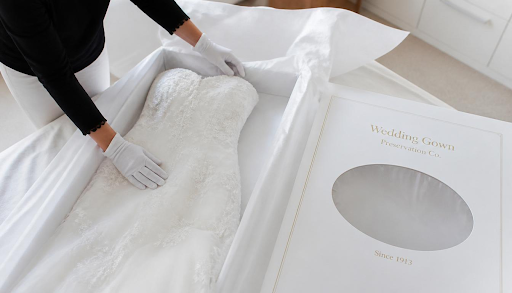
- Sealed Box Method: This method involves placing the dress in an acid-free box with a viewing window. It allows you to admire the dress without exposing it to air.
Environmental Considerations
The environment where you store your wedding dress plays a vital role in its preservation. Here are some factors to consider:
- Temperature and Humidity: A cool, dry environment is ideal. High temperatures and humidity can accelerate fabric degradation.
- Light Exposure: Store the dress away from direct sunlight to prevent fading and discoloration.
- Storage Location: Avoid basements and attics, as these areas are prone to extreme temperature fluctuations and moisture.
Regular Check-Ups
Even when properly stored, your wedding dress requires periodic check-ups to ensure its condition remains optimal. Set a schedule to inspect the dress for any signs of deterioration:
- Biannual Inspections: Every six months, examine the dress for new stains, yellowing, or mildew. This allows you to address issues before they become severe.
- Refold and Reposition: Change the folding patterns to prevent permanent creases in the fabric. This is particularly important for dresses with heavy embellishments.
Benefits of Professional Kits
For those who prefer a hands-on approach, professional wedding dress preservation kits offer a convenient solution. These kits typically include:
- Acid-Free Materials: Boxes, tissue paper, and gloves designed to protect delicate fabrics.
- Detailed Instructions: Step-by-step guidance on how to clean, store, and maintain the dress.
- Professional Support: Access to customer service for any questions or concerns during the preservation process.
Myths About Wedding Dress Preservation
There are many misconceptions surrounding wedding dress preservation. Here are some myths debunked:
- Myth: DIY Methods Are Just as Effective: While DIY methods can be helpful, professional services and kits offer specialized materials and expertise that increase the chances of successful preservation.
- Myth: Sealing the Dress Means It’s Safe Forever: Even sealed dresses require periodic checks to ensure the seal remains intact and that no new issues have arisen.
Expert Insight: The Future of Dress Preservation
The field of dress preservation continuously evolves with technological advancements. Innovations such as smart fabrics and enhanced storage solutions are becoming more prevalent, offering even greater protection for treasured garments. Experts predict that future methods will further extend the lifespan of wedding dresses, making them more durable and resistant to environmental damage.
Conclusion
Preserving your wedding dress is an investment in memories and family heritage. By following these guidelines, you can ensure that your gown remains a symbol of your special day for years to come. Whether choosing professional preservation services or utilizing a home kit, the key is to act promptly and with care. Your dress is more than fabric—it’s a cherished piece of your personal history.