
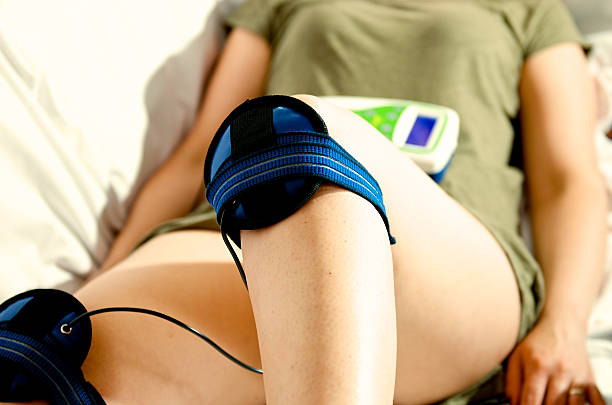
Knees start acting up and suddenly everything feels different. You notice it in small moments first. Getting out of a chair. Climbing stairs. Standing a bit too long. It creeps in. A lot of people react by cutting movement altogether, which… yeah, makes things worse in the long run. You don’t need to stop. You just need to move a little smarter than before. I’ve seen people lean on stuff like a knee massager for pain relief just to get through the day, and fair enough, it helps a bit. But that alone won’t fix anything. The real shift is in how you stay active without constantly irritating your knees.
Why Your Knees Get Annoyed So Easily
Knees are kind of stuck in the middle of everything. They don’t have the freedom your hips do, and they’re not as stable as your ankles pretend to be. So when something’s off—tight hips, weak legs, bad shoes—it all lands on the knees. And they keep quiet for a while. Then one day they don’t. High-impact stuff makes it worse. Running on hard roads, jumping, quick direction changes… it adds up, slowly, then all at once. And form plays into it more than people think. If your movement is even slightly off, repeated enough times, your knees pay for it.
Low-Impact Doesn’t Mean Useless
There’s this idea that if it doesn’t feel intense, it’s not doing much. Not true. Low-impact work is what keeps you going when your knees aren’t cooperating. Walking is fine, just don’t turn every walk into a speed challenge. Swimming’s great if you can do it—takes the pressure off completely. Cycling works too, but yeah, setup matters more than people expect. Seat too low, and your knees will complain pretty quickly. Even ellipticals, which honestly feel a bit boring, do the job. You’re still moving, still getting your heart rate up, just without that constant pounding.
Strength Helps… If You Don’t Rush It
A lot of people back away from strength work the moment their knees hurt. That’s usually the wrong move. Weak muscles around the knee don’t protect anything. They just leave the joint doing more work than it should. You don’t need heavy weights here. Start simple. Leg raises, glute bridges, basic hamstring stuff. Go slow. Like, slower than you think you need to. It’ll feel almost too easy at first. That’s fine. The second your form slips or you feel that sharp pressure in your knee, you’ve gone too far. Pull it back.
Form Is the Boring Fix That Actually Works
Not exciting, but this is where most of the problem sits. You can be doing all the “right” exercises and still mess things up if your form is off. Watch your knees when you move. Do they dip inward? Twist slightly? Doesn’t take much. Even walking—people don’t think about it, but overstriding or wearing worn-out shoes can throw things off. These small things, repeated daily, matter more than one tough workout. Fixing form feels slow and a bit tedious, but once it clicks, movement feels lighter. Less effort, less pain. That’s the goal.
Recovery… Yeah, You Can’t Skip That
This is where people get impatient. You move, you feel okay, so you keep going. Then the next day hits. Knees feel stiff, maybe a bit swollen. That’s your cue, not something to ignore. Ice helps sometimes, heat works better other times—it’s not always clear-cut. Gentle stretching is fine, just don’t force anything. And rest days, they’re part of the plan whether you like it or not. Skipping them usually backfires. You end up taking longer breaks later because things flare up.
Support Tools Can Help (Just Don’t Rely on Them Too Much)
Some days your knees just feel off. Heavy, stiff, not quite right. That’s where support comes in. A brace can give a bit of stability. Compression sleeves feel nice, especially if there’s mild swelling. And for that deep, stiff feeling—especially in the mornings or after sitting too long—a knee massager machine for arthritis can loosen things up a little. Makes it easier to get moving again. But yeah, it’s support. Not a fix. If your movement habits stay the same, the problem sticks around.
Know When to Back Off (Before It Gets Worse)
There’s a difference between mild discomfort and something that’s building into a real issue. You can usually tell. If the pain lingers, sharpens, or starts showing up earlier in your activity, that’s your sign. Ease off. Switch things up. Take a day. Or two. It’s not losing progress, even if it feels like it. It’s keeping yourself from being forced into a longer break later, which is worse.
Conclusion
Staying active with knee pain isn’t about pushing through or proving anything. It’s more about adjusting, paying attention, making small changes that actually stick. You move a bit slower, you clean up your form, you give your body time to recover. That’s really it. Nothing fancy. Your knees might still complain now and then, that’s normal. Just don’t ignore it when they do. Work with them, not against them, and you’ll keep moving. Which, in the end, is the whole point.