
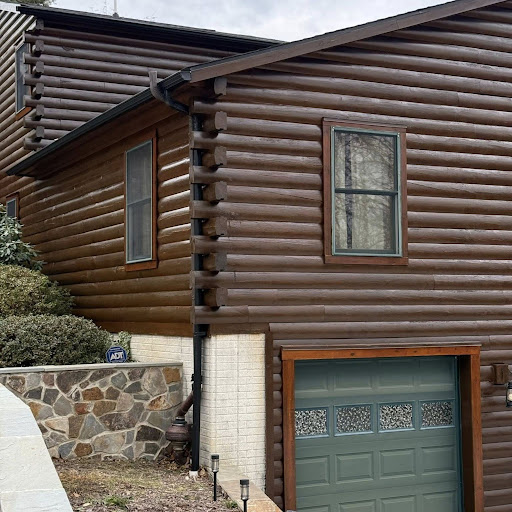
People talk a lot about modern homes these days. Clean white walls. Sharp edges. Everything looking like it came out of the same showroom. But the truth is, the interior design of log cabins hits different. It feels lived in. Warmer. More personal. You walk into a good log cabin and the space almost slows you down a little. That natural wood, the texture, even the smell sometimes, it creates something modern drywall just can’t fake. And no, you don’t need antlers hanging everywhere or some over-the-top “mountain lodge” setup either. A smart log cabin interior can feel timeless without turning into a hunting museum.
Let the Wood Be the Main Character
One mistake people make is trying to cover too much of the wood. That’s weird honestly. If you bought or built a log cabin, let the logs show. That grain and texture is the whole point. Use lighter furniture if the wood walls are dark. Balance matters. A room with dark cedar walls, dark floors, and dark furniture can start feeling like a basement real fast.
Natural light helps more than people realize too. Bigger windows. Simple curtains. Nothing heavy unless you actually need insulation. The cabin should breathe visually. Some imperfections in the wood? Leave them. Knots, cracks, uneven tones. That stuff gives the home personality. Perfect is boring anyway.
Mix Rustic With Modern — Carefully
Here’s where people usually go too far. They either make the place ultra rustic, like a cowboy movie set, or they strip all the character out trying to make it look modern. The sweet spot sits somewhere in the middle.
A leather couch works great in a log cabin. So does a sleek black metal light fixture. Stone fireplaces pair surprisingly well with clean furniture lines too. You don’t need every piece screaming “cabin decor.” In fact, less of that is usually better.
Let’s be real, fake rustic decor can look cheap fast. Instead of filling shelves with tiny wooden bears and lanterns from a chain store, focus on texture. Wool throws. Real wood tables. Iron hardware. Linen fabrics. Those details age better.
Open Spaces Make Cabins Feel Bigger
Older cabins sometimes feel chopped up and tight. Small rooms. Low ceilings. Not much flow. But when you open the layout a little, everything changes. Kitchen, dining, and living areas blending together just works in log homes.
The wood already creates visual weight, so cramped rooms can start feeling heavy. Open layouts help balance that. Even simple things like removing bulky furniture or using open shelving instead of upper cabinets can make a huge difference.
And honestly, fireplaces should stay central whenever possible. In cabin living, the fireplace becomes the anchor. People naturally gather there. That feeling matters more than chasing trends.
Color Choices Matter More Than People Think
People assume log cabins only work with browns and dark reds. Not true. Soft grays, muted greens, warm creams, even charcoal tones can look incredible against natural logs. The trick is keeping colors earthy enough that they don’t fight the wood.
Bright white can sometimes feel too harsh. Neon colors? Usually a disaster. But softer shades create contrast without making the cabin lose its warmth.
Rugs help a lot too. Especially in larger spaces where wood floors and wood walls start blending together. A patterned rug can break things up without making the room busy. Same goes for textiles. Pillows, blankets, curtains — small details carry more weight in cabin interiors than people expect.
Lighting Can Either Save or Ruin the Space
Bad lighting kills cabin interiors fast. One overhead light in the center of the room? Nope. That flat yellow lighting makes everything feel dated.
Layered lighting works better. Floor lamps. Wall sconces. Warm pendant lights over the kitchen. Maybe a few dimmable fixtures too. Log cabins naturally create shadows because of the wood texture, so softer lighting usually looks best.
And don’t ignore natural lighting during design planning. Skylights can completely transform darker cabins. Big windows facing trees or mountains create instant atmosphere without needing extra decor. Nature becomes part of the interior design at that point.
Comfort Should Always Win Over Trends
Some cabin interiors look amazing in photos but terrible to actually live in. Oversized furniture crammed into tiny spaces. Fancy decor nobody touches. Sharp-edged coffee tables everywhere. Doesn’t make sense.
Cabins should feel comfortable first. Deep couches. Soft blankets. Durable furniture that can actually survive muddy boots, pets, kids, all of it. A log home isn’t supposed to feel fragile.
Storage matters more than people think too. Built-in benches, hidden storage under beds, simple shelving — those practical additions keep the space calm. Clutter stands out quickly against wood interiors, especially in smaller cabins.
The short answer is this: if the space doesn’t make people want to sit down and stay awhile, something’s missing.
Maintenance Plays a Bigger Role Than Most Designers Admit
Here’s the less glamorous side nobody talks about enough. A beautiful cabin interior still depends on maintaining the structure itself. Cracks between logs, air leaks, moisture issues — those things eventually affect the entire atmosphere inside the home. That’s where log house caulking becomes important, even from a design perspective honestly.
Good sealing helps preserve the wood appearance, improves energy efficiency, and keeps interiors feeling solid and comfortable year-round. You can spend thousands on furniture and lighting, but if drafts are sneaking through the walls, people notice. Fast. Maintaining the shell of the cabin protects everything inside it too.
A Well-Designed Log Cabin Never Tries Too Hard
That’s probably the biggest thing people miss. The best log cabin interiors don’t feel staged. They feel natural. Lived in. Relaxed. There’s warmth in that. You notice it right away.
The beauty of the interior design of log cabins comes from balance more than perfection. Natural materials mixed with comfort. Rustic texture balanced by clean space. Old-school charm without feeling stuck in the past. And honestly, cabins don’t need to follow every design trend floating around online. Most trends disappear in two years anyway.
A timeless cabin interior simply feels good to be inside. That’s the goal. Not perfection. Not impressing strangers on social media. Just creating a space people actually enjoy living in, day after day.