
Starting or scaling a custom apparel brand comes with plenty of decisions. Design matters. Marketing matters. But one area often determines whether production runs smoothly or constantly runs into problems: choosing the right printing equipment.
The tools you select shape print quality, production speed, and overall profitability. When equipment matches your workflow, orders move faster, and results stay consistent.
This post breaks down the essential machines, considerations, and setup decisions that help apparel brands build an efficient and reliable production process.
Why the right tools shape your production success
Many apparel startups begin with great design ideas but struggle with production challenges. Ink coverage looks uneven. Colors fail to match expectations. Orders take longer than planned. In many cases, the issue comes down to using tools that don’t align with the shop’s output needs.
When selecting printing equipment, you should focus on long-term production goals rather than immediate convenience. A brand planning small batches requires flexibility and easy setup. On the other hand, businesses targeting large wholesale orders need faster automation and higher throughput.
The difference becomes noticeable quickly. Well-chosen machinery improves consistency across every garment. Operators can repeat jobs with minimal adjustments. That reliability saves time and protects brand reputation. Customers expect prints to look identical across multiple pieces. Proper tools make that level of consistency achievable.
Another important factor involves workflow efficiency. A balanced setup reduces unnecessary movement between stations. When equipment placement and capabilities support the printing process, teams complete tasks faster without sacrificing quality.
Core machines every apparel printing setup should consider
Custom apparel production usually relies on several key machines working together. Each plays a specific role in turning artwork into finished garments.
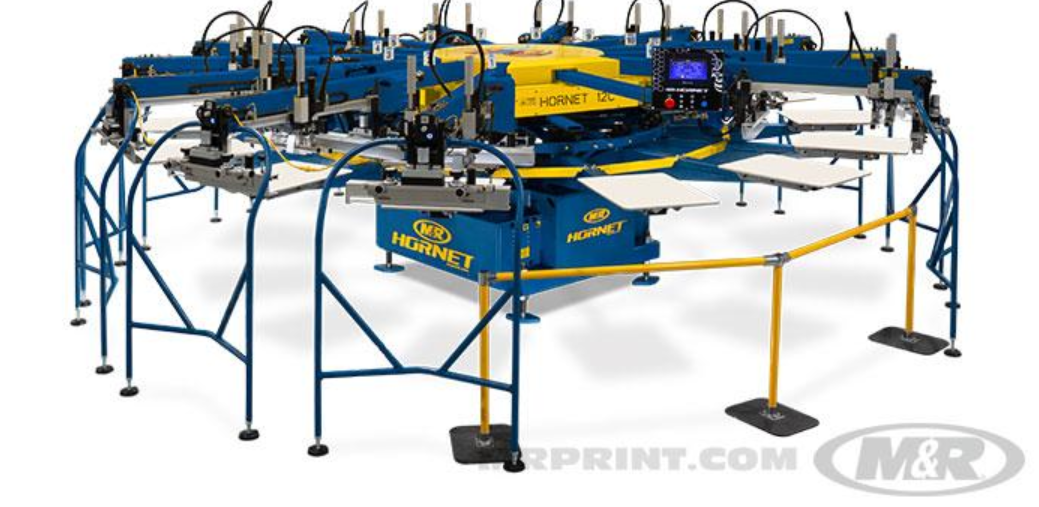
- The screen printing press lies at the center of many apparel operations. This press holds frames and moves garments through each color layer during production.
- Manual presses often suit smaller studios because they require lower investment and offer flexibility for varied designs. Automatic presses support higher volume output and reduce operator fatigue.
- Exposure units prepare the screens used for printing. These machines transfer artwork onto emulsion-coated mesh using controlled light. Accurate exposure ensures sharp details and reliable ink flow during printing.
- Drying equipment also plays a critical role. After ink transfers onto garments, it must cure properly to bond with the fabric. Conveyor dryers provide consistent heat distribution, helping prints remain durable after washing and wear.
- Cleaning and reclaiming tools round out the setup. Screens need regular maintenance so they remain usable for future designs. Proper reclaim systems remove old emulsion and ink residue, preparing the mesh for new artwork without damaging the material.
Together, these machines create a complete production cycle. Each step supports the next, ensuring garments move smoothly from design to finished product.
Matching equipment choices with your production scale
Not every apparel brand requires the same level of machinery. Production volume, available workspace, and budget all influence the ideal setup.
A small studio often benefits from compact systems that allow quick design changes. Manual presses provide control and flexibility when producing short runs or limited editions. Operators can adjust settings quickly and experiment with different ink styles or textures.
Growing brands that receive steady orders may consider partial automation. Semi-automatic presses reduce manual movement while maintaining flexibility for varied designs. These machines help teams increase output without completely redesigning their workflow.
Large apparel operations prioritize speed and consistency. Automated systems move garments through multiple stations efficiently. Advanced controls manage pressure, alignment, and timing, ensuring every item meets the same quality standard.
The goal is balance. Investing too early in large machines can strain resources. Waiting too long to upgrade may slow production and limit growth. Brands that regularly review their production volume can identify the right moment to expand capabilities.
Comparing common production setups
Understanding how different setups perform helps apparel brands make informed decisions. The table below outlines typical production approaches and their advantages.
| Setup Type | Best For | Key Benefits |
| Manual press setup | Small brands, creative studios | Flexible, lower investment, easy design changes |
| Semi-automatic setup | Growing apparel businesses | Faster output, improved consistency |
| Fully automated system | High-volume manufacturers | Maximum speed, stable production quality |
Each setup supports a different stage of business growth. Startups often begin with manual systems while refining designs and testing demand. As order volume increases, upgrading equipment helps maintain delivery timelines and quality standards.
Choosing the right printing equipment also affects team productivity. When machines match the scale of production, operators work more efficiently and experience fewer interruptions.
Practical factors to evaluate before purchasing machines
Before adding new tools to your workspace, it helps to evaluate several practical considerations. These factors influence long-term performance and overall return on investment.
- Space availability should be your first assessment. Production machines require adequate clearance for operation and maintenance. A crowded workspace slows movement and increases safety risks. Planning layout carefully ensures materials flow smoothly between preparation, printing, and curing stations.
- Ease of operation also matters. Machines with intuitive controls allow new operators to learn quickly. Clear adjustments for pressure, alignment, and speed reduce training time and help maintain consistent results across shifts.
- Maintenance requirements represent another important factor. Regular cleaning and calibration keep equipment performing correctly. Machines designed with accessible components make upkeep faster and less disruptive to production schedules.
- Finally, consider adaptability. Apparel trends evolve quickly. Equipment that accommodates different garment types or ink styles gives brands flexibility as they expand their product range.
Building a balanced production workflow
Even the most advanced machines cannot guarantee success without a well-planned workflow. Efficient apparel printing depends on how tools, operators, and processes connect throughout the production cycle.
- Start by organizing stations logically. Artwork preparation should sit close to exposure units so screens move quickly through setup. Printing stations should follow immediately afterward to reduce handling time.
- Next, ensure the curing equipment aligns with production speed. If garments leave the press faster than they can cure, bottlenecks appear. Matching drying capacity with printing output prevents delays and protects print durability.
- Material storage also plays a role in workflow efficiency. Keep inks, frames, and cleaning supplies within easy reach of operators. Clear labeling helps teams locate items quickly, reducing downtime between jobs.
- Finally, document production procedures. Written steps guide operators through setup, printing, curing, and cleanup.
Consistent processes improve quality control and make training new staff easier as your brand grows.
Conclusion
Custom apparel brands thrive when creativity meets reliable production. Choosing the right printing equipment forms the foundation of that balance. When machines align with your production goals, the entire workflow becomes smoother and more predictable.
Start by identifying your brand’s order volume and workspace capacity. Then select machines that support those requirements while leaving room for growth. Focus on equipment that delivers consistent results, manageable maintenance, and flexibility for evolving designs.
With the right setup, your production process becomes a strength rather than a challenge. Well-planned tools and workflows allow apparel brands to focus on creativity, deliver high-quality garments, and scale operations with confidence.