Recovery Tools for Peak Wellness Performance
In a world that constantly pushes productivity, recovery has become the missing link in achieving true peak wellness performance. Whether you’re an athlete, a busy professional, or someone focused on long-term health, your body can only perform at its best when it’s allowed to recover efficiently. That’s where recovery tools for peak wellness performance come into play.
Modern recovery tools combine science, technology, and holistic practices to help your body repair faster, reduce stress, and restore energy. Recovery is no longer just about rest—it’s about strategic regeneration that supports muscles, the nervous system, hormones, and mental clarity.
Why Recovery Is Essential for Peak Performance
Recovery is the phase where growth, repair, and adaptation actually occur. Without proper recovery, even the best nutrition and exercise plans can backfire, leading to fatigue, burnout, and injury.
Effective recovery supports:
- Muscle repair and strength gains
- Nervous system balance
- Hormonal regulation
- Mental focus and emotional resilience
- Immune system strength
- Long-term longevity and vitality
Recovery tools help accelerate these processes and make recovery more intentional.
Read more: Top 15 Probiotic Foods for Digestive Health
Top Recovery Tools for Peak Wellness Performance
1. Sleep Optimization Tools
Sleep is the most powerful recovery tool available. Smart sleep trackers, AI sleep coaching apps, and smart mattresses help improve deep and REM sleep—where most physical and mental recovery happens.
Benefits:
- Faster muscle repair
- Better hormone balance
- Improved energy and focus
2. Cold Therapy (Cryotherapy & Cold Showers)
Cold exposure reduces inflammation, improves circulation, and enhances mental resilience.
Wellness benefits:
- Faster muscle recovery
- Reduced soreness
- Improved mood and alertness
Even short cold showers can deliver noticeable benefits.
3. Heat Therapy (Saunas & Infrared Therapy)
Heat therapy promotes relaxation, detoxification, and circulation.
Why it works:
- Enhances blood flow
- Reduces muscle stiffness
- Supports cardiovascular and metabolic health
Infrared saunas are especially popular for recovery and longevity.
4. Compression Therapy Tools
Compression boots and garments enhance circulation and lymphatic drainage.
Best for:
- Muscle soreness
- Post-workout recovery
- Reducing swelling and fatigue
These tools are widely used by athletes but equally beneficial for everyday wellness.
5. Massage and Percussion Therapy Devices
Massage guns and vibration tools help release muscle tension and improve mobility.
Key advantages:
- Faster recovery time
- Improved range of motion
- Reduced muscle tightness
They are effective when used mindfully and consistently.
6. Breathwork and Nervous System Recovery Tools
Stress is one of the biggest barriers to recovery. Breathwork apps, guided relaxation tools, and HRV biofeedback devices help calm the nervous system.
Results include:
- Reduced cortisol levels
- Better sleep quality
- Improved emotional regulation
7. Mobility and Myofascial Release Tools
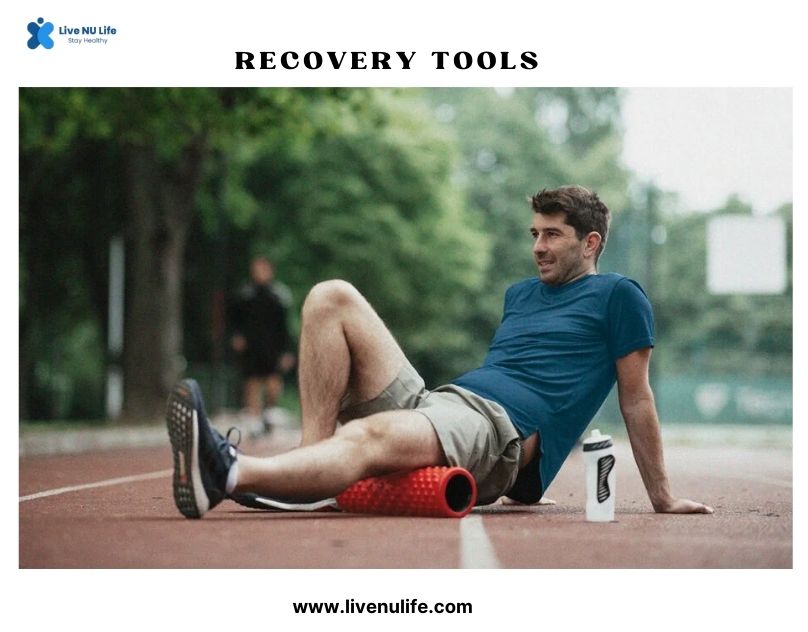
Foam rollers, mobility balls, and stretching tools keep joints healthy and prevent injury.
Why they matter:
- Improve posture
- Enhance movement efficiency
- Reduce chronic pain
Recovery Tools and Mental Wellness Performance
Peak wellness performance isn’t just physical—it’s mental. Recovery tools that support mindfulness, meditation, and stress regulation improve focus, creativity, and emotional balance.
Mental recovery helps prevent:
- Burnout
- Brain fog
- Anxiety and mood swings
True performance comes from a balanced nervous system.
How to Build a Personalized Recovery Routine
Not all recovery tools are needed at once. The key is personalization.
Start by asking:
- How is my sleep quality?
- Do I feel mentally or physically fatigued?
- Am I recovering well between workouts or workdays?
Choose 2–3 recovery tools that address your biggest needs and build consistency before adding more.
Common Recovery Mistakes to Avoid
- Ignoring sleep while relying on gadgets
- Overusing cold or heat therapy
- Treating recovery as optional
- Not listening to your body’s signals
Recovery tools should support your body, not override it.
FAQs: Recovery Tools for Peak Wellness Performance
What are recovery tools in wellness?
Recovery tools are devices or practices that help the body repair, regenerate, and restore energy after physical or mental stress.
Do recovery tools really improve performance?
Yes. When used consistently, they improve sleep, reduce inflammation, and enhance physical and mental performance.
Which recovery tool is the most effective?
Sleep optimization is the most powerful, followed by stress management and circulation-based tools.
Are recovery tools only for athletes?
No. Anyone experiencing stress, fatigue, or burnout can benefit from recovery tools.
How often should recovery tools be used?
Most tools are effective when used daily or several times per week, depending on intensity and individual needs.
Final Takeaway
Recovery is not a luxury—it’s a performance strategy. By integrating the right recovery tools for peak wellness performance, you give your body and mind the support they need to thrive, adapt, and sustain high energy over time.
When recovery becomes intentional, peak wellness becomes achievable.