Modern home design looks simple on the surface. Clean lines. Neutral colors. Big windows. But once you get into it, it’s anything but simple. There are decisions stacked on top of decisions, and one wrong call can throw the whole thing off. That’s usually the point where people start looking for an Interior Designer in Las Vegas. Not because they can’t choose a sofa. But because they realise designing a home today isn’t just decorating — it’s planning, coordinating, problem-solving, and sometimes damage control. In a city like Las Vegas, where the light is harsh, the heat is real, and the style expectations are high, having someone who understands the layers makes a difference. A big one.
Designing Around Real Life, Not Just Photos
Here’s something people don’t talk about enough — your house has to function before it impresses anyone. A designer’s job starts with how you actually live. Do you cook every night or order takeout? Do you host holidays or avoid them? Do your kids dump backpacks at the door? Those details matter more than whatever trend is floating around online. Modern design leans toward open spaces, but open doesn’t automatically mean practical. Without smart zoning and thoughtful storage, it can feel messy fast. A good designer studies movement. They look at traffic flow, sight lines, and lighting angles. They think about where shadows fall in the afternoon. It sounds small. It’s not.
Connecting the Architecture to the Interior
Modern homes blur the line between architecture and interior design. High ceilings, steel-framed windows, and floating staircases — those elements need to speak the same language as what’s inside. A designer acts as the middle ground between the structure and the style. They make sure materials make sense with the bones of the house. In Las Vegas, especially, the desert environment changes things. Sunlight is intense. Heat builds up. Certain finishes fade or warp if you’re not careful. You can’t treat a Vegas home like a coastal bungalow. A designer adjusts choices based on climate, orientation, and lifestyle. It’s not dramatic work. But it’s smart work.
Keeping the Budget From Going Sideways
Money is where things usually fall apart. Modern home design can eat through a budget before you even realise what happened. A professional interior designer doesn’t just pick finishes — they prioritise. Maybe you invest in custom cabinetry, but simplify the guest bath. Maybe you spend more on flooring and scale back on decorative extras. There’s a strategy behind it. Without that strategy, people overspend in flashy areas and regret it later. Designers track numbers. They talk to suppliers. They know when something is overpriced for what it delivers. And sometimes they’ll tell you no. Not because they’re difficult. Because they’ve seen projects derail before.
Managing the Moving Parts
A finished room looks calm. The process behind it isn’t. Contractors, electricians, tile installers, millworkers — they all operate on timelines that rarely align perfectly. Someone has to coordinate that dance. Designers review drawings. They double-check measurements. They catch mistakes before they’re installed permanently. And trust me, fixing something after installation costs way more than catching it on paper. Modern projects move fast, especially in growing areas around Las Vegas. Without someone steering the communication, delays stack up. It gets frustrating quickly. A designer absorbs a lot of that pressure, so the homeowner doesn’t have to.
Choosing Materials That Actually Last
There’s no shortage of options now. Quartz that looks like marble. Porcelain slabs bigger than dining tables. Engineered wood, performance fabrics, specialty finishes. It’s endless. And honestly, it can get confusing. A designer filters it down. They know which materials hold up in desert heat. Which fabrics won’t bleach out from constant sunlight? Which surfaces scratch if you look at them wrong? Modern design often looks minimal, but it relies heavily on texture. Layered finishes. Subtle contrast. Without that, spaces feel flat. A designer balances durability with style so the home doesn’t look dated in five years. Or worn out in one.
Shaping Personal Style Without Making a Mess
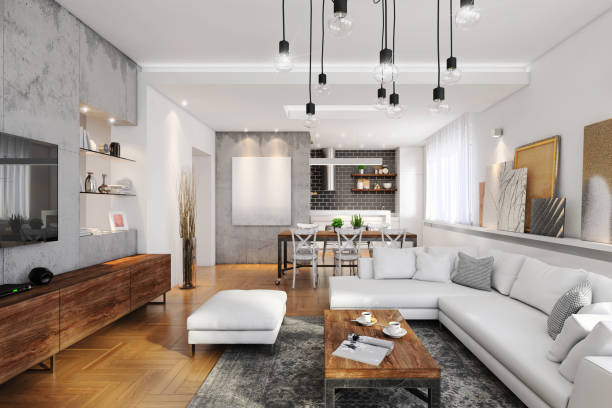
Most homeowners don’t struggle with having ideas. They struggle with editing them. It’s normal. You see something you love in one photo, something totally different in another. A designer’s role is part translator, part editor. They pull threads together into one cohesive direction. Modern homes can lean cold if you’re not careful. Too many sharp edges. Too much white. Designers soften that with thoughtful layering — maybe warm wood tones, maybe sculptural lighting, maybe a textured rug that grounds the space. The goal isn’t to copy a trend. It’s to create something that feels intentional. Lived in, but still refined.
Blending Smart Technology Seamlessly
Technology is baked into modern homes now. Smart thermostats. Automated shades. Integrated sound systems. But tech can look clunky if it’s not planned early. Designers work alongside electricians and tech teams so everything feels integrated, not tacked on. Control panels get placed thoughtfully. Lighting scenes are programmed around daily routines. Wires stay hidden. It’s subtle work. When it’s done right, you don’t even notice it. Which is kind of the point.
The Value of High-End Design Expertise
There’s also a difference between hiring an independent decorator and working with a Luxury Interior Design Studio in Las Vegas. Studios bring depth. Access to custom furniture makers. Relationships with trusted contractors. Exclusive materials you won’t find in retail showrooms. They manage projects at a higher level of detail. Every seam, every finish transition, every lighting angle gets reviewed. In a city known for bold design statements, high-end residential work often leans the other direction — controlled, balanced, intentional. That kind of restraint takes experience.
Conclusion
The role of an interior designer in modern home design isn’t about fluff. It’s about structure, foresight, and protecting your investment. They think about how a space will age. How it will function on a random Tuesday, not just during a party. They coordinate chaos behind the scenes so the final result feels effortless. Especially in Las Vegas, where climate and style expectations add extra layers, professional design guidance isn’t just helpful — it prevents regret. You can piece a home together on your own. Plenty of people do. But when it’s done with intention, with planning, with someone who sees the bigger picture, it shows. Quietly. And that’s what good design is supposed to do.