
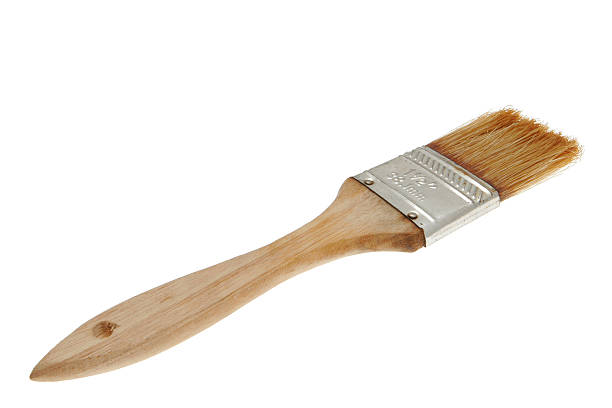
Walk into any workshop, job site, or maintenance room and you’ll probably spot a handful of chip brushes lying around, usually a bit beat up, maybe paint-crusted, still in use. They’re not fancy. Nobody brags about them. But they get used—a lot. And yeah, cheap chip brushes tend to show up early in the conversation because they’re everywhere and for good reason. These brushes handle the messy jobs most “nice” tools avoid. Glue, solvents, stains, grease… stuff that ruins expensive brushes fast. So people reach for chip brushes instead. Not because they’re perfect, but because they’re practical.
What Chip Brushes Are Actually Designed For
A chip brush isn’t trying to be a precision instrument. It’s built for utility, plain and simple. Natural or synthetic bristles, a basic wooden handle, and a metal ferrule that holds it together just enough to survive rough use. That’s the whole idea. You don’t baby it. You use it, abuse it, toss it if needed. In industrial settings, that’s exactly what you want. Something disposable-ish, but still capable. They’re good for spreading adhesives, brushing on coatings, even cleaning parts in a pinch. Not pretty work. But necessary.
Industrial Use: Where They Really Earn Their Keep
In industrial environments, chip brushes get used in ways that would destroy higher-end brushes in minutes. Applying epoxies, lubricants, rust inhibitors—stuff that sticks, stains, or just doesn’t come off. Workers don’t have time to carefully clean tools after every use. So they grab something they can use hard and replace without thinking twice. That’s where chip brushes shine. They keep operations moving. You don’t stop production because a brush got ruined. You just grab another one and keep going. Simple.
Commercial Applications That Rely on Them Daily
Now move over to commercial spaces—construction, painting crews, maintenance teams. Same story, different setting. Chip brushes are used for touch-ups, cutting in tight corners, applying sealants where rollers won’t fit. They’re also great for quick fixes. A small repair job doesn’t need a premium brush. It needs something that works right now. And again, cost matters. Teams go through dozens, sometimes hundreds, of brushes on a large job. Spending big on each one just doesn’t make sense.
Cost Efficiency Without Overthinking It
Let’s be honest, a big part of the appeal is price. When you can buy in bulk and not worry about cleaning or maintaining each brush, it changes how work gets done. Crews move faster. There’s less hesitation. You don’t waste time trying to preserve a tool that isn’t meant to last forever. That said, not all cheap options are equal. Some fall apart too fast, shed bristles everywhere, or just feel useless after one pass. So yeah, “cheap” works, but only up to a point. There’s a balance. You want affordable, not disposable after ten seconds.
Durability vs. Disposable—Finding the Middle Ground
Here’s where things get a bit real. People assume chip brushes are fully disposable, but that’s not always true. A decent one can last through multiple uses if the material allows it. Especially when used with lighter coatings or less aggressive chemicals. The trick is knowing when to reuse and when to toss. Push it too far and you’ll get streaks, loose bristles in your finish, or uneven application. Not great. So experienced workers kind of develop a feel for it. Use it just enough. Then move on.
When a Chip Brush Beats More Expensive Tools
There are situations where a chip brush isn’t just the cheaper option—it’s actually the better one. Tight spaces, awkward angles, or surfaces that don’t need a perfect finish. No point dragging out a high-end brush or sprayer for something rough. Also, for priming or applying undercoats, chip brushes do the job without overcomplicating things. It’s about matching the tool to the task, not over-engineering every step.
How They Compare to Larger Application Tools
Now, if you’re covering large, flat surfaces, chip brushes obviously aren’t the best choice. That’s where rollers come in, especially something like an 18in paint roller which can cover serious ground fast. Different tool, different job. But here’s the thing—on most real-world projects, you don’t just use one or the other. You use both. Rollers for speed, chip brushes for detail work, edges, corners, and all the annoying spots in between. It’s not a competition. It’s a combo.
Choosing the Right Chip Brush Without Overcomplicating It
People sometimes overthink this part. Size, bristle type, handle… yeah, it matters a bit. But not as much as you’d think. Most professionals stick to a few go-to sizes and adjust based on the job. Two-inch, three-inch—those are common. Natural bristles for oil-based stuff, synthetic for water-based. That’s about it. No need to turn it into a science project. Just pick something that feels usable and gets the job done.
Conclusion
Chip brushes don’t get much attention, and honestly, they don’t need it. They’re not built to impress. They’re built to work. In industrial and commercial settings, that’s what matters most. They handle rough materials, save time, and keep costs down without slowing things up. Sure, they’re not perfect. They shed sometimes, they wear out fast, and yeah, you’ll toss a lot of them. But that’s kind of the point. Reliable, simple, and easy to replace. In a world full of specialized tools, chip brushes stick around because they do exactly what’s needed—nothing more, nothing less.