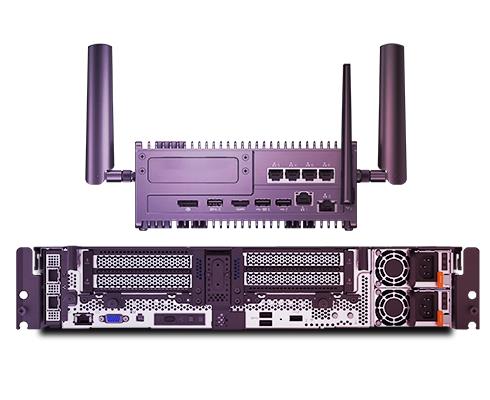
Edge server technology is growing rapidly worldwide, and this growth is exciting for both users and businesses.
A recent global study found that almost 60% of all data now resides and moves outside large cloud data centers, and this number keeps rising each year.
This shows a clear shift in how people handle digital information. Each device generates nonstop data, and everyone wants fast answers right where they stand. Every action now needs quick support, and every delay breaks user flow. This need for instant response brings strong attention to edge servers.
They bring power closer to the user, and this short path enables faster, more trusted, and smoother action. The future depends on quick local processing and strong real-time tools, so the edge stands at the center of this new digital world.
Here are seven strong trends shaping the next chapter of edge technology, each building a stronger, smarter future.
1. Smart AI Grows Stronger at the Edge
AI now works more closely with the user, which significantly boosts speed. Edge servers process AI tasks near the data source, reducing long-distance data transfers. This trend is growing rapidly because AI needs quick action for tasks such as computer vision, voice detection, and pattern recognition.
How AI Boosts Server Power
- AI tools process data in real time.
- AI analyzes patterns and provides quick insights.
- AI reduces the load on large cloud systems.
AI models also get lighter and sharper. Many new AI tools run well on low-power chips often found inside the edge. This makes real-time decision support possible even in busy places.
AI also lifts the performance of apps that use robotics sensors and smart city systems. With each improvement, AI and edge technology move closer together, creating a strong foundation for future fast tech.
2. Security Becomes a Core Feature
Data safety sits at the top of every priority list. Edge technology stores and analyzes data near the source, reducing the risk of external attacks. Local processing protects sensitive information such as user identities, health records, and location details.
Why Security Matters in Edge Growth
- Local processing cuts outside access.
- Data stays close to the user.
- New tools detect threats in real time.
Modern edge machines use robust security features such as zero-trust, secure boot, and hardware-level encryption. These tools allow safe data flow and quick action during a threat. Strong security attracts more industries toward edge tech and pushes this trend toward steady growth.
3. Growing Smart Device Networks Need Strong Edge Support
Smart devices are increasingly found in homes, offices, hospitals, farms, and many public places. Each device sends nonstop signals and needs fast replies. Edge servers address this need with powerful local computing. This trend grows rapidly because smart devices push for instant decision-making.
How Smart Devices Shape Server Demand
- Devices send nonstop data streams.
- Many apps need instant action.
- Local servers help reduce delay.
There is an annual increase in smart camera sensors, wearables, and industrial machines. Such devices operate under protocols like LTE, 5G, Wi-Fi, and Bluetooth. All the protocols benefit from edge technology, as they provide stable, high-performance, even when networks are congested.
4. Real-Time Processing Takes Center Stage
Individuals desire real-time responses in applications such as gaming, traffic, health, and live tracking. The core of edge tech is real-time processing since edge servers reduce the distance between the device and the decision point. This results in easy movement even under high pressure.
Real-Time Tools That Rely on Edge Power
- Location tracking in transport.
- Fast response games.
- Live data analysis in fieldwork.
This trend will stay strong because users expect quick results in daily tasks. Edge machines meet this expectation by delivering microsecond-level responses in many cases. This builds faster apps and smoother user experiences.
5. Energy-Efficient Edge Models Grow in Demand
Large data centers consume large amounts of power, resulting in high costs and high heat. Many companies now look for cleaner ways to handle data. Edge servers reduce long-distance data traffic, thereby lowering power consumption. This trend grows stronger each year because energy savings help reduce costs and protect the environment.
Why Energy Efficiency Shapes Future Edge Design
- Edge processing cuts long travel paths.
- It lowers heat and reduces waste.
- It fits well with green tech goals.
Modern cutting-edge technology also uses low-power chips and smart cooling systems. Some devices use natural airflow or smart thermal design. These upgrades help build a green-tech future with less strain on the world’s resources.
6. Compact Edge Devices Make Setup Easy
Earlier edge servers were large and heavy. Now, new models become smaller, lighter, and easier to install. Many industries now choose edge servers because the setup fits into tight spaces and starts working quickly without a lengthy setup. This trend grows because people want simple, fast deployment.
Benefits of Smaller Edge Designs
- Easy to move
- Fits small rooms and remote sites.
- Starts fast without long prep.
Small edge units help factories, stores, schools, farms, and clinics. These places need strong tech but lack space for large systems. Compact edge systems fill this gap perfectly and help more people use edge tech with ease.
7. Strong Edge Coverage Reaches Remote Areas
Many remote regions lack strong internet connectivity. Edge technology addresses this problem by processing data close to the source, reducing the need for long-distance connectivity. This trend grows as digital access becomes a basic need across all aspects of life.
How Edge Supports Remote Locations
- Apps run locally without long delays.
- Data stays stable even with weak signals.
- Local systems work without heavy cloud use.
This helps areas that use agricultural systems, health monitoring tools, and field sensors. Remote communities gain strong digital reach, opening new growth opportunities.
Conclusion: The Future Moves Forward at the Edge
Edge servers grow from simple support tools to core engines of the digital world. AI-powered, security-focused smart devices support real-time processing, green energy, small-form-factor systems, and remote-area coverage, all working together to build a strong future. Each trend adds new value for users and offers smoother, faster, and safer tech action.
Edge systems will guide the next big tech wave and shape how people live, work, and connect. The future looks bright, and the edge will stand at the center of this progress with more strength each year.