
Flip a blue box over in the grocery aisle and the calorie number printed there will probably calm you down. “250 calories,” it says, nice and modest. What it doesn’t say, at least not loudly, is that the number is for a third of the box, dry, before you add the two ingredients that change everything. That little gap between what the label implies and what lands in your bowl is the whole point of this article.
Now cook it like the box tells you
The instructions ask for four tablespoons of butter and a quarter cup of milk. Add those, and the finished pot climbs to roughly 1,100 to 1,200 calories. The butter alone is doing about 400 of them. That’s not a typo. Four tablespoons of butter is a serious amount of fat, and it’s the single biggest reason the “as prepared” number towers over the “as packaged” one.
Put plainly: the box gives you the floor, and you build the ceiling at the stove. A realistic personal bowl is about half a box, which prepared is somewhere near 550 to 600 calories. The whole box in one go is its own conversation, and you can read it off the chart above.
What’s hiding besides calories
Calories aren’t the part that should worry you most. Look one line down on the label, at the sodium.
A single dry serving carries 560 to 600mg, roughly a quarter of a day’s recommended limit, and that’s before any salt of your own goes in. Eat the box and you’re north of 1,500mg. For most people that matters more than the calorie total, especially anyone keeping an eye on blood pressure.
The rest of the macro picture, per dry serving, looks about like this:
- Carbohydrates: 41 to 47g
- Sugar: 7 to 9g
- Protein: 7 to 8g
- Fat: 1 to 1.5g (dry — much higher once that butter joins)
- Fiber: barely any
Low protein and almost no fiber is why mac and cheese is so good at filling you up fast and so bad at keeping you full. The crash an hour later is baked in.
Want it lighter? Touch the butter, not the box
The pasta and powder are fixed. The thing you actually control is the fat you add. Kraft prints a lighter method right on the carton: two teaspoons of butter and half a cup of fat-free milk in place of the full amounts, which cuts the added fat by about two-thirds. The texture’s a little less plush, not noticeably less tasty.
A middle path works well too half the butter, regular milk. And if you’re chasing the lowest number, drop the butter entirely and add a splash more milk. Still recognizably the dish you came for.
A note for the bulk buyers and gift-givers
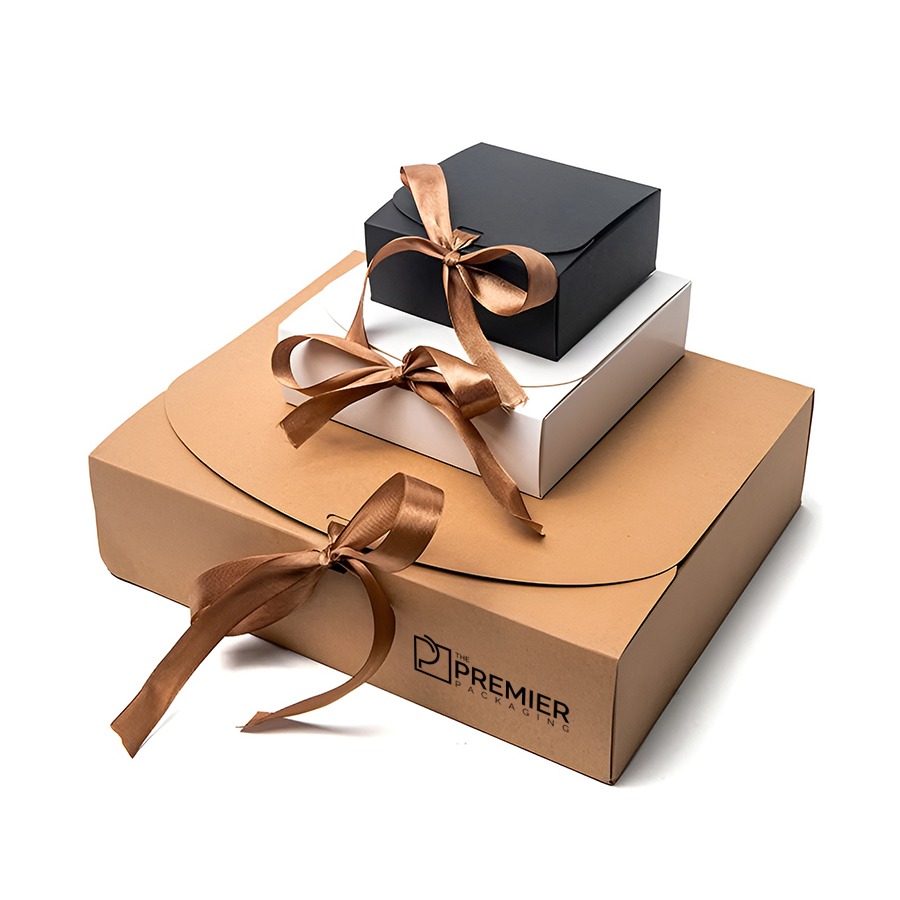
The blue box is cheap, shelf-stable forever, and beloved across generations, which is exactly why it shows up in so many care packages and party spreads. If you’re doing something small and themed favors for a kids’ party, a single cheerful treat to hand someone, a stocking-style gift little 4x4x4 kraft gift boxes are the right size for a single portion or a small bundle and look a hundred times better than the original carton. The pasta’s own packaging is built for the cupboard, not for giving.
Other varieties, briefly
- Three Cheese and Thick ‘n Creamy land within a few calories of Original.
- Spirals come in a smaller 5.5 oz box, so the whole-box total is lower.
- Family Size is roughly double a standard box.
- Velveeta Shells & Cheese uses a liquid cheese pouch and tends to run richer and fattier per serving.
Always read the specific label, since powder and pouch behave differently.
The takeaway
What you’re really eating in a box of Kraft Mac and Cheese depends almost entirely on how you cook it. Around 750 calories dry; up to 1,200 once the butter and milk go in. The label’s modest 250 is technically true and practically misleading.
None of this means you have to give it up. It means you get to decide where on that range you land ease off the butter, stir in something green or some protein, and the same comforting bowl becomes a lot less of a splurge.
Numbers here reflect the standard 7.25 oz Original box and are rounded for clarity. Check the label on your own product, as recipes and serving sizes change over time.
Quick FAQ
How many calories in a whole box prepared?
About 1,100 to 1,200 for the standard Original box made with butter and milk.
And dry, straight from the box?
Roughly 720 to 750.
Biggest way to cut calories?
Use less butter, or skip it and add a little more milk. That’s where most of the savings live.
How much sodium am I getting?
Over 1,500mg if you eat the box a real chunk of the daily limit.