
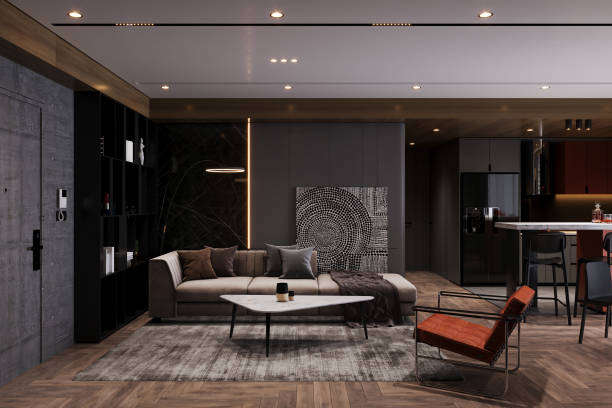
Most construction problems don’t start on-site. They start way earlier, in the part people rush through or worse, skip entirely — design. I’ve seen it too many times. Someone’s eager to “just get started,” thinking they’ll figure things out along the way. That almost always backfires. Even Residential Interior Designers in Las Vegas will tell you the same thing straight up — the projects that go smoothly are the ones where decisions were locked in early, not made mid-build under pressure. Because once construction begins, every change costs more. Time, money, patience… all of it.
Clarity Early Saves You From Chaos Later
When design decisions are made before construction, everything has a direction. There’s a plan. Not a vague idea, an actual roadmap. Without that, construction turns into a series of guesses. Contractors pause, wait for answers, redo work. It slows everything down. And honestly, it creates tension between everyone involved. Designers, clients, builders — no one enjoys that mess. You don’t want your site turning into a place where decisions are being debated while workers are standing around. That’s expensive downtime, plain and simple.
Changes During Construction Are Always More Expensive
Here’s the part people underestimate. Moving a wall on paper? Easy. Moving it after it’s built? Not even close. Same goes for electrical layouts, plumbing lines, ceiling details. Once materials are installed, any “small change” becomes a bigger job. Demolition, rework, extra labor. Costs stack up fast. And it’s rarely just one change. One tweak leads to another. Suddenly the budget you felt good about is… not looking so good anymore. Fixing things before construction starts is cheap. Fixing them during construction is not.
Better Design Means Better Coordination
Good design isn’t just about how a space looks. It’s how everything works together. Lighting, furniture placement, circulation, storage — all of it needs to align. When those decisions happen early, contractors know exactly what to do. Electricians know where to place wiring. Carpenters understand dimensions. Fabricators can plan ahead. Without that coordination, trades start stepping on each other’s work. Something gets installed, then removed, then adjusted. It’s inefficient. And honestly, it’s frustrating for everyone on-site.
You Get What You Actually Want (Not a Compromise)
When people delay design decisions, they end up settling. Not because they want to, but because they have to. Time runs out. Construction is already moving. There’s pressure to decide quickly. So instead of choosing the right materials, finishes, or layouts, they pick what’s available or convenient. That’s how you end up with a space that feels… off. Not terrible, but not what you imagined either. Planning ahead gives you options. Time to think. Time to get it right. That matters more than people realize.
Material Lead Times Are No Joke
This is something that catches a lot of clients off guard. Materials aren’t always sitting in a warehouse ready to ship. Custom furniture, specialty finishes, even some fixtures can take weeks or months. If those selections aren’t made early, construction either gets delayed or moves forward without them — which creates gaps later. Then you’re scrambling to match things or waiting on backorders while the project drags on. Early design decisions help align timelines. Everything arrives when it’s supposed to. Or at least closer to it.
Avoiding Design Regret Is a Big Deal
There’s a difference between liking something in theory and living with it every day. That’s why rushing design decisions is risky. When you take time upfront, you think through how spaces will actually be used. Not just how they’ll look in photos. You catch things you might’ve missed. Storage needs, lighting levels, furniture scale. All the small stuff that adds up. Skipping that step often leads to regret later. And fixing design regret after construction? Yeah, that’s usually expensive or just… not worth the hassle.
Smoother Communication Between Everyone Involved
When design is finalized early, communication becomes simpler. Clear drawings, defined specifications, fewer surprises. Everyone’s on the same page. That reduces back-and-forth, misunderstandings, and last-minute decisions. It also builds trust. Contractors feel more confident executing the work. Clients feel more in control. Designers can actually focus on refining details instead of constantly putting out fires. It just works better. Not perfectly, but better.
A Real Example: Where Early Design Paid Off
I worked on a project similar in approach to a Sustainable Design Cardiff Residence, where most decisions were made upfront — materials, layouts, even minor finishes. It wasn’t rushed. The result? Construction moved steadily. Fewer delays, fewer budget surprises. The client didn’t have to make panicked choices halfway through. And the final space felt cohesive, like it was actually thought through. That doesn’t happen by accident. It happens when design is treated as a priority, not an afterthought.
Conclusion
Skipping or rushing design before construction might feel like saving time, but it’s not. It usually creates more problems than it solves. Higher costs, longer timelines, compromises you didn’t plan for. Getting the design right first doesn’t guarantee a perfect project — nothing does — but it gives you a solid foundation. And that matters. If you’re going to invest in construction, do it properly. Think it through, make the decisions early, and give the project a real chance to turn out the way you actually want.