
When it comes to managing finances, particularly when considering loans or savings, understanding interest is paramount. For beginners, the concept of simple interest is not only fundamental but also remarkably easier to grasp compared to its more complex counterpart, compound interest. In this article, we will delve into what simple interest is, how it works, and why it’s often favored by those taking out personal loans for home renovations.
What is Simple Interest?
Simple interest is a method of calculating the interest charged or earned on a principal amount over a specific period of time. Unlike compound interest, which calculates interest on the initial principal as well as on the interest that accumulates over previous periods, simple interest is straightforward. It relies solely on the principal amount, the interest rate, and the time the money is borrowed or invested.
Formula for Simple Interest
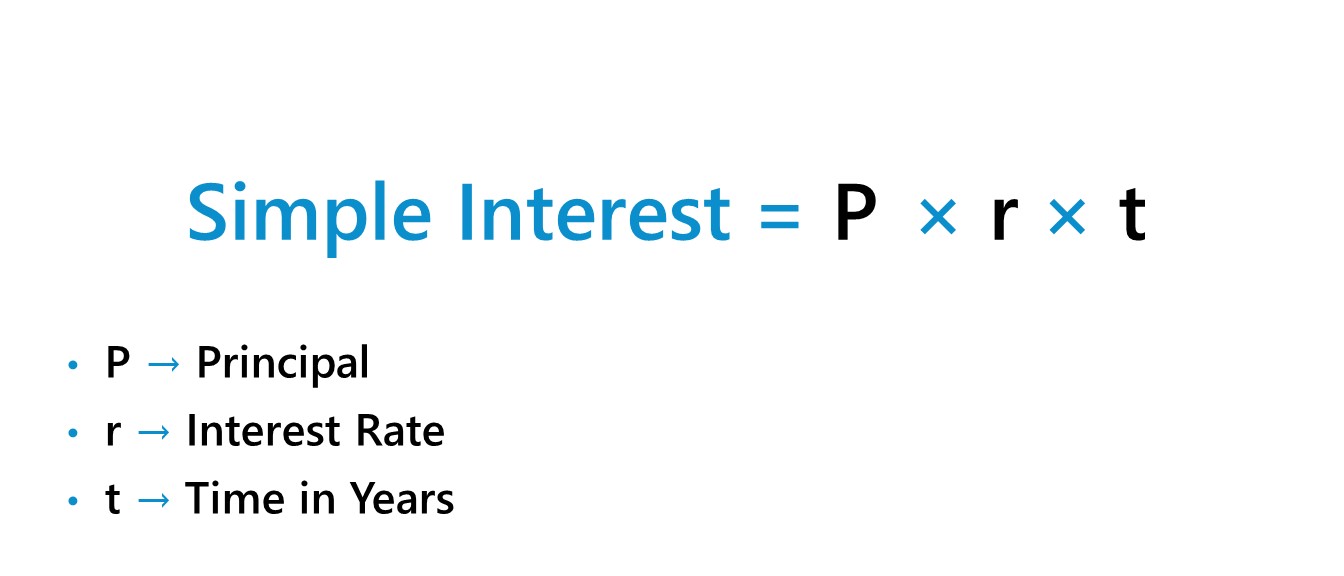
The calculation for simple interest can be done using the following formula:
SimpleInterest=Prt
Where:
- P = Principal amount (the initial money borrowed or invested)
- r = Rate of interest (expressed as a decimal)
- t = Time period (in years)
For example, if you borrow $1,000 at an annual interest rate of 5% for 3 years, the simple interest can be calculated as follows:
SI=10000.053=150
In this case, you would pay $150 in interest over the three-year period.
Why is Simple Interest Easier for Beginners to Understand?
Straightforward Calculation
One of the primary reasons simple interest is easier for beginners is due to its straightforward calculation. There are no additional complexities or nuances that can confuse someone who is new to financial concepts. With just three variables—principal, rate, and time—calculating simple interest is accessible to most individuals without requiring advanced math skills.
Clear Examples and Applications
Simple interest is commonly used in various financial transactions, allowing newcomers to see real-world applications. For instance, personal loans for home renovations often utilize simple interest, enabling borrowers to understand how much they will owe in interest over the loan period easily. When faced with renovations that require quick financing, being able to calculate interest without confusion is valuable.
Transparency in Payment Structure
With simple interest, borrowers have a clear understanding of what they will pay back at the end of the loan term. This transparency is beneficial, as it allows individuals to budget accordingly and avoid surprises when repayments are due. Knowing the exact amount in advance can reduce anxiety for those new to borrowing.
Simple Interest and Personal Loans for Home Renovations
When individuals consider personal loans for home renovations, understanding simple interest becomes crucial. Home improvements often require immediate funding, and many people turn to personal loans as a viable option. Here’s how simple interest plays a significant role in the decision-making process when seeking a personal loan.
Ease of Comparisons
When looking at different lenders for personal loans for home renovations, it’s essential for borrowers to compare their options. Simple interest offers a consistent basis for comparison. If two lenders offer different rates or terms, calculating the total interest payable becomes straightforward with simple interest, aiding in the decision-making process.
Shorter Loan Terms
Personal loans usually come with shorter repayment periods compared to mortgages, making simple interest even more applicable. Borrowers can easily calculate the total cost of borrowing over a few months or years, allowing them to strategize their finances better.
Setting Financial Goals
Knowing that a personal loan for home renovations will only incur a specific interest amount leads to smarter financial planning. Homeowners can set goals and timelines for their renovations while being fully aware of their financial commitments.
Advantages of Simple Interest
In addition to being easier to understand for beginners, simple interest offers several advantages:
Lower Total Interest Costs
For those looking at quick, short-term loans like personal loans for home renovations, simple interest usually results in lower total interest costs when compared to long-term loans that employ compound interest.
Predictability
Because simple interest remains constant regarding how it accumulates, borrowers can confidently plan their repayment schedules and anticipate total costs without worrying about unexpected changes.
Ideal for Short-Term Borrowing
Many personal loans are intended for short-term financial needs (e.g., home renovations). Simple interest aligns well with these short-term loans, allowing borrowers to pay off their debts quickly and efficiently.
Disadvantages of Simple Interest
While simple interest has its merits, it’s not without drawbacks:
Limitations on Long-Term Investments
For long-term investments, simple interest may not yield the same level of returns as compound interest. Investors seeking wealth accumulation over time might find simple interest limiting.
Not Always Available
While personal loans for home renovations frequently use simple interest, it’s essential to compare various lenders and loan products. Some might leverage compound interest for personal loans, so it’s critical to read the fine print.
Conclusion
Understanding simple interest is essential for anyone entering the world of finance, especially for beginners. Its straightforward nature allows easy comprehension of loans, making it a popular choice for personal loans for home renovations. By being aware of how simple interest works, individuals can make informed financial decisions and avoid potential pitfalls.
Whether you’re considering a personal loan to upgrade your home or merely want to grasp financial terms, knowing the fundamentals of simple interest will undoubtedly serve you well. Take the time to familiarize yourself with these concepts, and you’ll find that navigating the world of loans and investments becomes a much simpler endeavor. Remember, an informed borrower is an empowered borrower!