
Introduction
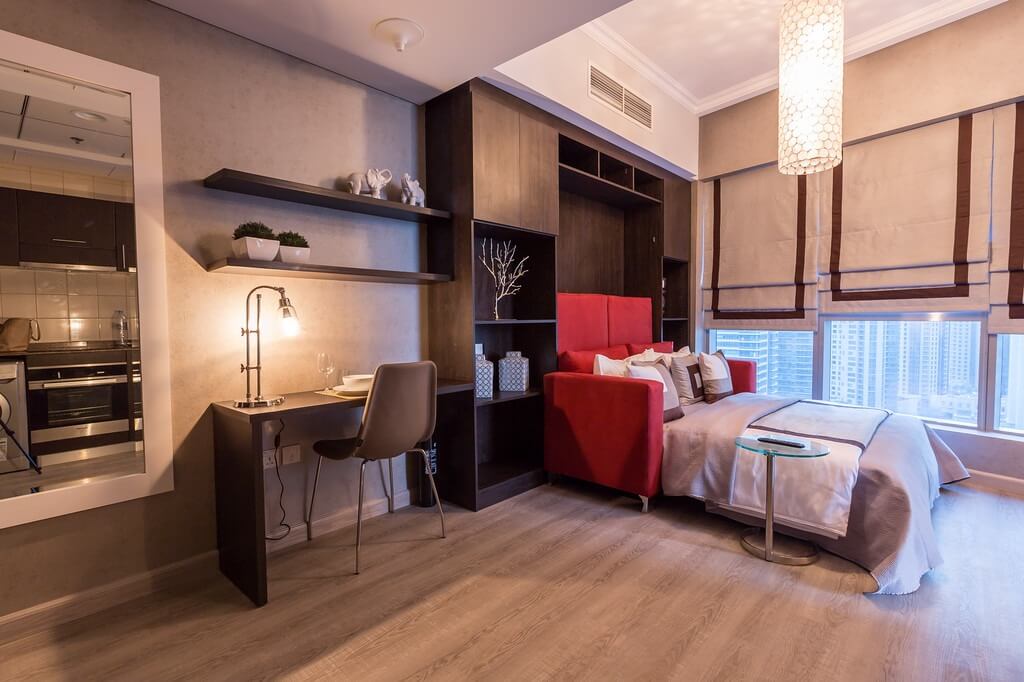
Creating a comfortable guest bedroom can be challenging when space is limited or a room needs to serve multiple purposes. In modern homes, every square metre matters, especially when homeowners want to maintain an open, organized, and stylish interior. Wall Bed Dubai solutions offer a practical way to transform an ordinary room into a flexible sleeping area without permanently dedicating the entire space to a traditional bed. By incorporating a wall bed into a carefully planned layout, you can create a welcoming bedroom for visitors while preserving valuable room for work, relaxation, hobbies, or everyday activities.
A guest bedroom should provide more than somewhere to sleep. It should feel comfortable, offer convenient storage, and allow visitors to settle in without unnecessary inconvenience. However, a room that remains unused for most of the year may not justify having a permanent bed occupying its floor space. A wall bed can help solve this problem by folding away when it is not needed, allowing the room to return to its primary function. With suitable furniture, lighting, and decorative elements, even a compact guest room can become a versatile and attractive part of the home.
When considering Wall Bed Dubai, it is important to think about the room’s dimensions, the frequency of guest visits, and the activities that take place there throughout the year. A well-designed arrangement should make it easy to convert the room from one purpose to another without moving several pieces of furniture. Storage, accessibility, mattress comfort, and the wall bed’s operating mechanism should all be considered before choosing a design. This approach helps homeowners create a flexible guest bedroom that combines functionality, comfort, and contemporary style.
Why a Wall Bed Is Ideal for a Flexible Guest Bedroom
A wall bed, sometimes called a Murphy bed, is designed to fold vertically or horizontally into a cabinet or wall-mounted structure. When the bed is closed, the surrounding room can be used for other activities. When visitors arrive, the sleeping area can be prepared as needed.
Make Better Use of Limited Space
A traditional bed can occupy a significant part of a bedroom, leaving limited space for other furniture or activities. In a multipurpose room, this can make everyday use inconvenient.
A wall bed allows the sleeping surface to be stored away when it is not required. The available floor area can then be used for a desk, exercise equipment, creative activities, or additional seating, depending on the room’s size and layout.
Create a Comfortable Sleeping Area for Guests
When opened, a properly selected wall bed can provide a dedicated sleeping surface for visitors. Choosing a suitable mattress, supportive bedding, and appropriate pillows helps make the room feel like a genuine guest bedroom rather than a temporary arrangement.
The design should also provide easy access to the bed and enough clearance for guests to move around comfortably. Practical details such as bedside lighting, a place for personal belongings, and nearby electrical outlets can improve the experience.
Maintain a Clean and Organized Interior
A wall bed can help the room appear more open when it is folded away. Depending on the design, the closed unit may resemble a cabinet, a storage wall, or a coordinated piece of furniture.
This makes it easier to maintain a consistent interior style. Instead of leaving a bed permanently visible, homeowners can integrate the sleeping arrangement into the overall room design.
Start With a Practical Guest Bedroom Layout
Before selecting a wall bed, evaluate the room and decide how it will be used when guests are not staying overnight. A clear layout helps ensure that the bed, furniture, and walking areas work together.
Measure the Available Floor Space
Measure the room’s width, length, and ceiling height. Also identify doors, windows, electrical outlets, radiators, ventilation points, and other architectural features that may affect furniture placement.
Remember that a wall bed needs space when both folded and fully opened. Measure the complete opening depth and confirm that there is sufficient clearance for walking and accessing nearby furniture.
Choose the Main Purpose of the Room
Decide whether the room will function primarily as a home office, reading area, hobby room, or general-purpose living space. This decision influences which furniture should remain available when the bed is closed.
For example, a home office may require a desk and ergonomic chair, while a reading room may benefit from a compact armchair and bookshelves. Select furniture that supports the room’s primary purpose without making the guest arrangement difficult to use.
Keep Movement Areas Clear
A flexible room should not feel crowded when the bed is opened. Avoid positioning furniture where it blocks access to the sleeping area or prevents the bed from unfolding completely.
Consider the space needed to open doors, pull out drawers, and move around the room. Planning these details in advance reduces the likelihood of needing to rearrange furniture every time guests arrive.
Consider Vertical Space
Wall-mounted shelves, tall cabinets, and vertical storage can provide useful capacity without occupying too much floor area. However, these features must be positioned carefully around the wall bed.
Keep objects away from moving components and ensure that shelves or decorative items do not interfere with the bed’s operation. Heavy items should be securely installed using suitable fixing methods.
Choose the Right Type of Wall Bed
Different wall bed designs suit different rooms and household requirements. The most appropriate option depends on the available wall space, the room’s proportions, and how often the bed will be used.
Vertical Wall Beds for Traditional Bedroom Layouts
A vertical wall bed folds upward into a cabinet and opens with the sleeping surface extending outward from the wall. It can be a suitable choice when the room has enough floor depth to accommodate the open bed.
This configuration may work well in rectangular rooms where a longer sleeping surface can be positioned along a suitable wall. Before choosing it, check the ceiling height and ensure that the unit can open without obstruction.
Horizontal Wall Beds for Compact Rooms
A horizontal wall bed folds sideways into a cabinet, allowing the sleeping surface to extend across the room’s width rather than its length.
This arrangement may be useful in spaces where ceiling height, wall proportions, or room depth makes a vertical unit less suitable. The required dimensions still depend on the specific model, so confirm the full opening measurements before installation.
Wall Beds With Integrated Desks
A wall bed with a desk can be a practical solution for a room that serves as a home office during the day and a guest bedroom at night. Some systems allow the desk to remain relatively usable as the bed is operated, while others require particular steps before opening.
Understand exactly how the chosen mechanism works. Check whether the desk must be cleared, whether its surface moves, and how much space is needed for the bed to open safely.
Wall Beds With Integrated Storage
Some wall bed systems include cabinets, shelves, or side storage units. These can help organize guest bedding, books, clothing, and other household items.
Integrated storage can create a coordinated appearance, but it should not make the room feel crowded. Choose a configuration that provides useful storage without compromising movement or the bed’s operation.
Create a Multipurpose Room With Smart Furniture
The furniture surrounding a wall bed should support the room’s daily purpose while allowing a quick transition to guest accommodation.
Select a Compact Desk
If the room doubles as an office, a desk should provide enough surface area for a laptop, documents, and everyday work equipment. A compact desk can leave more floor space available for the opened bed.
Measure the desk and chair together. Make sure the chair can be moved out of the way easily and that the desk does not block access to the wall bed.
Use Foldable or Lightweight Seating
A folding chair, lightweight stool, or compact occasional seat can provide flexible seating without permanently occupying a large area. These pieces can be moved when the bed needs to be opened.
If the room has sufficient space, a small armchair can make the area more inviting. Choose furniture that is easy to reposition and visually consistent with the rest of the interior.
Consider Nesting Tables
Nesting tables can serve as side tables, work surfaces, or temporary places for drinks and personal belongings. When not required, they can be stacked together to reduce the amount of floor space they occupy.
Position them where they can be moved without difficulty. Avoid placing small furniture directly in the bed’s opening path.
Choose Storage Furniture With Multiple Uses
A storage bench, ottoman, or compact cabinet can serve more than one purpose. It may provide a place to store spare bedding while also functioning as seating or a surface for everyday items.
Make sure the furniture remains easy to access when the bed is open. A multipurpose piece is useful only if it does not create additional work during the room’s conversion.
Plan Comfortable Sleeping Arrangements for Visitors
Space efficiency should never come at the expense of guest comfort. A flexible bedroom needs a sleeping arrangement that supports a restful night and feels easy to use.
Select a Suitable Mattress
Check the mattress specifications recommended by the wall bed manufacturer. Not every mattress is compatible with every folding mechanism, and thickness or weight restrictions may apply.
Choose a mattress that offers appropriate comfort and support for the intended users. If the room regularly accommodates overnight visitors, mattress quality should be a priority rather than an afterthought.
Choose Comfortable Bedding
Keep a dedicated set of clean sheets, pillowcases, blankets, and pillows for visitors. Store these items in a nearby cabinet, drawer, or suitable compartment where they remain clean and easy to reach.
Select bedding that suits the room’s temperature and your guests’ preferences. Neutral colours can complement different interior styles, while textured throws and cushions can add warmth when the bed is stored away.
Provide Convenient Bedside Essentials
Guests may appreciate a small surface for a phone, glasses, book, or water bottle. If there is limited space for a permanent bedside table, consider a wall-mounted shelf or a movable table that can be stored when necessary.
Accessible charging points and a reading light can also improve convenience. Arrange cables and electrical accessories carefully so they do not obstruct the bed or create trip hazards.
Maintain Privacy and a Welcoming Atmosphere
If the guest bedroom has windows, suitable curtains or blinds can help guests manage natural light and privacy. A simple rug, coordinated bedding, and a few decorative details can make the room feel more welcoming.
Avoid excessive decoration that must be removed before opening the bed. The aim is to create an inviting room that remains easy to convert between uses.
Use Lighting to Support Different Activities
Lighting plays an important role in a flexible bedroom because the room may be used for work, relaxation, and sleeping at different times.
Install General Lighting
A ceiling fixture or appropriately positioned recessed lights can illuminate the room for everyday activities. Aim for even light distribution rather than relying on one overly bright source.
Consider the room’s dimensions, ceiling height, and surface colours when selecting fixtures. The goal is to make the room feel comfortable and functional in both daytime and evening conditions.
Add Task Lighting for Work
If the guest room doubles as an office, a desk lamp or suitable task lighting can make reading and computer work more comfortable. Position lights to minimize glare on screens and shadows over the work surface.
Keep cables organized and away from the wall bed’s moving parts. Any permanent electrical work should be completed by a qualified professional.
Create Soft Lighting for Guests
A warm bedside light can make the room feel relaxing at night. Wall-mounted lamps or compact portable lights may be useful when floor space is limited.
Where possible, provide controls that guests can reach without crossing a dark room. This small detail can make the sleeping arrangement more convenient.
Select Colours and Finishes That Enhance the Space
Colour and material choices can help a compact multipurpose room feel cohesive and spacious. The wall bed cabinet should complement the surrounding furniture rather than appearing like an unrelated addition.
Choose Light Colours for an Open Appearance
White, cream, soft beige, and pale grey can help create a bright and uncluttered environment. These shades work well in rooms with limited natural light and can coordinate with many furniture styles.
Light finishes are not essential in every design, but they can make a compact space feel visually calmer when paired with suitable lighting and an organized layout.
Use Wood Finishes for Warmth
Wood-inspired surfaces can add texture and warmth to a guest bedroom. Light oak tones may create a contemporary look, while deeper brown finishes can add visual richness.
Coordinate the wall bed cabinet with the desk, shelving, or other furniture. Using a consistent material palette helps the room feel intentionally designed.
Introduce Accent Colours Carefully
Cushions, artwork, throws, and small decorative accessories can introduce colour without overwhelming the room. Choose one or two complementary accent shades and repeat them in a few places.
Keep decorative items easy to move when the bed opens. A simple arrangement usually makes it easier to maintain the room and transition between its different uses.
Add Storage Without Crowding the Guest Bedroom
A well-designed flexible room should accommodate guest essentials and everyday belongings while retaining sufficient open space.
Use Closed Cabinets for Visual Simplicity
Closed cabinets can conceal office supplies, spare bedding, games, or other belongings that would otherwise create visual clutter. They are particularly helpful when the room needs to feel calm and welcoming.
Choose cabinet doors and handles that coordinate with the wall bed unit. Ensure that doors can open fully without interfering with the bed or nearby furniture.
Use Open Shelves Selectively
Open shelving is useful for books, decorative objects, and frequently accessed items. However, too many open shelves can make a small room look busy.
Arrange belongings in groups and leave some space between objects. Keep shelves outside the bed’s movement path and secure them appropriately to the wall.
Create a Dedicated Linen Section
A designated space for sheets, pillowcases, blankets, and towels makes it easier to prepare the room for visitors. Labelled storage boxes or divided shelves can keep everything organized.
If the wall bed unit includes suitable storage, use it according to the manufacturer’s guidance. Avoid storing items in compartments where they could interfere with the mechanism.
Safety and Installation Considerations for Wall Beds
Because wall beds contain moving components, careful product selection and installation are essential. A good design should be convenient to operate and appropriate for the structure where it will be installed.
Check Wall Structure and Fixings
The unit must be installed according to the manufacturer’s requirements and secured using suitable fixings for the wall construction. The correct method may differ depending on whether the wall is concrete, masonry, or a framed partition.
Have the installation site assessed before purchasing the unit. Do not assume that every wall can support the same type of wall bed.
Understand the Operating Mechanism
Wall beds may use different lifting and balancing systems. Before making a decision, ask for a demonstration and review the manufacturer’s instructions.
Users should understand how to open and close the bed correctly. Keep children away from moving components unless the system is specifically designed and approved for the intended use.
Maintain Clearances Around the Bed
Check the manufacturer’s required clearance for opening, closing, and accessing the sleeping surface. Make sure furniture, doors, lights, and decorations do not obstruct the mechanism.
Avoid placing objects on or around moving parts unless the manufacturer specifically permits it. Follow all operating and maintenance instructions.
Inspect the System Periodically
Follow the recommended maintenance schedule and check for visible signs of wear, loose fittings, or unusual operation. If the mechanism becomes difficult to operate or appears damaged, stop using it until it has been inspected by a qualified professional.
Do not modify springs, hinges, or other components yourself unless the manufacturer explicitly permits the work and provides appropriate instructions.
How to Choose a Wall Bed Provider in Dubai
Selecting the right provider can help you find a design that suits your room, lifestyle, and budget. A clear process should include measurements, design recommendations, product specifications, and installation planning.
Review Previous Projects
Look at examples of completed wall bed installations and multipurpose bedrooms. Assess how the provider integrates the bed with desks, cabinets, lighting, and storage.
Ask whether the proposed design can be adjusted to suit your room dimensions and everyday requirements.
Compare Materials and Mechanisms
Request information about cabinet materials, finishes, lifting systems, weight limits, mattress compatibility, and maintenance requirements. Compare the details of different models instead of judging them by appearance alone.
A well-explained specification helps you understand how the bed will function over time and whether it suits the intended room.
Request a Detailed Quote
The quote should identify the selected model, dimensions, materials, included accessories, installation charges, and estimated timeline. Ask whether delivery, site preparation, and any electrical or finishing work are included.
Clarifying these details early can make it easier to compare proposals and plan the project.
Confirm Installation and After-Sales Support
Ask about installation qualifications, warranty terms, maintenance recommendations, and the process for addressing problems. Confirm who is responsible for checking that the unit operates correctly after installation.
Professional installation and clear documentation can help you use the wall bed confidently and maintain it according to the manufacturer’s guidance.
Budget Planning for a Flexible Guest Bedroom
The cost of a wall bed project depends on the bed’s dimensions, mechanism, cabinet materials, integrated storage, additional furniture, and installation requirements. A basic model may suit homeowners who prioritize functionality, while a customized unit can include features designed around a particular room.
Prioritize the Features You Need Most
Begin with the essentials: a compatible mattress, suitable mechanism, safe installation, and enough space to open the bed. Then consider additional features such as integrated desks, cabinets, lighting, and decorative finishes.
This approach helps you focus on features that improve everyday use instead of spending the entire budget on visual details.
Compare Complete Project Costs
When comparing quotations, check whether each includes delivery, installation, hardware, mattress, and finishing work. Two products with similar appearances may have different specifications and included services.
Request written details so you can make a fair comparison and identify any additional expenses before work begins.
Consider Long-Term Value
A wall bed may be particularly valuable when a room needs to serve several purposes throughout the year. Its usefulness depends on the quality of the product, the suitability of the layout, and how often the room is converted.
Choose a design that supports your routine and remains comfortable for guests. The most effective solution is one that balances practical features, reliable construction, and a reasonable budget.
Conclusion
A flexible guest bedroom can provide comfortable accommodation for visitors without sacrificing the everyday usefulness of your home. By choosing the right wall bed, measuring the room carefully, and coordinating furniture, lighting, storage, and finishes, you can create a space that adapts to different needs throughout the year. Whether the room functions as a home office, reading area, or multipurpose space, a well-planned layout can make transitions between activities simple and convenient.
Wall Bed Dubai solutions offer homeowners an effective way to combine space-saving design with a welcoming guest experience. Before selecting a model, consider mattress compatibility, opening clearance, installation requirements, storage needs, and the room’s primary purpose. With thoughtful planning and suitable professional installation, a wall bed can become an integrated part of a stylish, organized, and versatile interior.
Frequently Asked Questions
1. What is a wall bed, and how does it work?
A wall bed is a bed designed to fold vertically or horizontally into a cabinet or wall-mounted structure. When it is not needed, the bed can be stored away to free up floor space. When required, it folds down to provide a sleeping surface, following the manufacturer’s operating instructions.
2. Is a wall bed suitable for a guest bedroom?
Yes. A wall bed can provide a dedicated sleeping area while allowing the room to serve another purpose between guest visits. With a suitable mattress, clean bedding, and convenient lighting, it can help create a comfortable guest experience.
3. Can I use a wall bed in a home office?
Yes. Some wall bed designs can be combined with desks, shelving, or cabinets. Before choosing a model, check whether the desk needs to be cleared or moved when opening the bed and make sure the layout provides sufficient clearance.
4. Which wall bed design is best for a small room?
The best option depends on the room’s dimensions and the available wall space. A horizontal bed may suit certain compact layouts, while a vertical model may work better in a room with suitable depth and ceiling height. Always confirm the unit’s full open dimensions.
5. Are wall beds comfortable for overnight guests?
A wall bed can be comfortable when paired with a compatible, supportive mattress and suitable bedding. Check the manufacturer’s mattress requirements, including thickness and weight restrictions, before purchasing a mattress.
6. Can a wall bed include storage?
Yes. Some models include shelves, side cabinets, drawers, or other integrated storage features. Select a configuration that meets your needs without restricting movement or interfering with the bed’s opening and closing mechanism.
7. What should I consider before installing a wall bed?
Measure the room, check the wall structure, confirm the open-bed clearance, and review the manufacturer’s installation requirements. Consider nearby doors, windows, lighting, electrical points, and furniture. Appropriate installation is essential for safe operation.
8. How can I make a guest bedroom look larger?
Use a practical wall bed, light or coordinated finishes, vertical storage, suitable lighting, and compact furniture. Keep walkways clear and limit unnecessary decorations. An organized layout can make the room feel more open and easier to use.
9. How much does a wall bed cost in Dubai?
The price varies according to the bed size, mechanism, materials, storage features, customization, and installation requirements. Request detailed quotations that identify what is included, and compare specifications and services rather than looking at the price alone.
10. How do I choose the right Wall Bed Dubai provider?
Review previous projects, compare product specifications, and ask about materials, mattress compatibility, installation, warranty coverage, and maintenance. Request a written quotation and confirm that the proposed design fits your room and intended use.