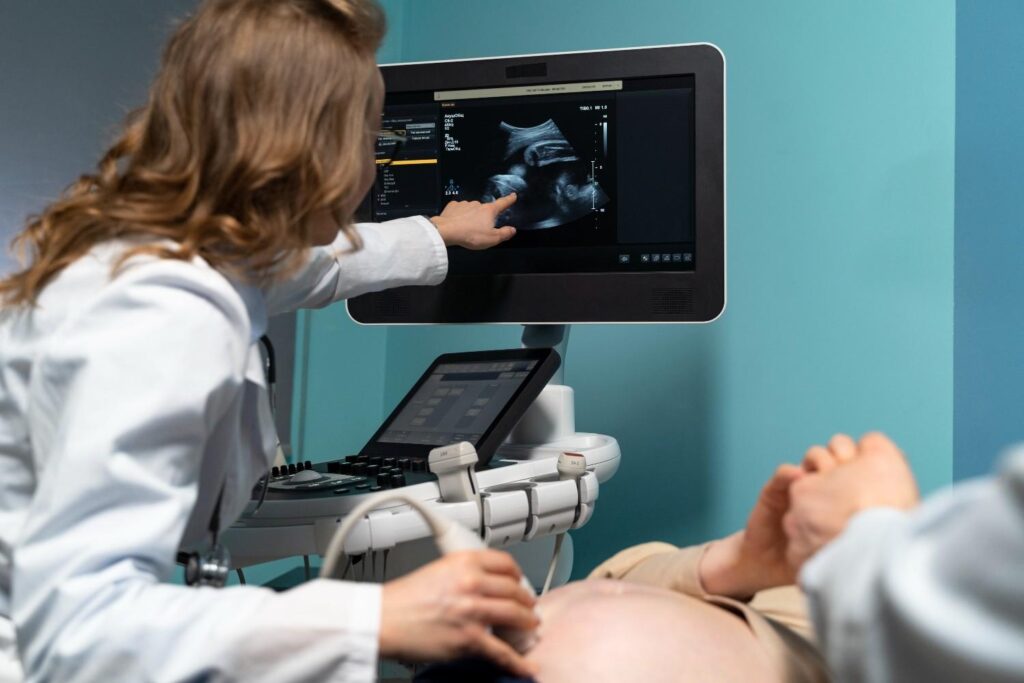
Prenatal care is one of the most important aspects of a healthy pregnancy. Among the many tests recommended during this period, the Level 2 ultrasound, also known as the anomaly scan, plays a crucial role. Expectant parents often have questions about what the scan includes, when to take it, and, most commonly, how much it costs. After the first few weeks of pregnancy, your doctor will recommend several diagnostic tests to ensure the baby’s development is on track. This is where the ultrasound level 2 price becomes an important factor for families planning their maternity expenses.
What Is an Ultrasound Level 2 (Anomaly Scan)?
The Level 2 ultrasound, typically done between 18 and 22 weeks of pregnancy, is a detailed fetal anatomy scan. Unlike the basic first-trimester scan, this test provides an in-depth evaluation of the baby’s organs, limbs, physical structure, and overall development. It helps identify congenital abnormalities, growth issues, and structural anomalies.
During this scan, the radiologist checks:
- Brain development
- Facial features
- Heart structure
- Spine alignment
- Abdomen and kidneys
- Placenta location
- Amniotic fluid levels
- Umbilical cord
- Bones and limbs
- Gender determination (if permitted by law)
This advanced scan gives parents and doctors a clear picture of fetal health, ensuring the pregnancy is progressing safely.
Why Is the Level 2 Ultrasound Important?
The Level 2 ultrasound is not just a routine test. It is one of the most significant evaluations carried out during pregnancy. Here’s why it is essential:
- Early detection of abnormalities: Helps diagnose conditions like neural tube defects, congenital heart issues, limb deformities, and abdominal wall defects.
- Monitoring fetal growth: Ensures the baby is developing at the expected rate.
- Detecting placenta issues: Placenta previa or low-lying placenta can be identified.
- Assessing amniotic fluid: Too much or too little fluid can signal complications.
- Improves pregnancy management: Early diagnosis allows doctors to plan the best care path.
This scan provides reassurance to parents and early intervention options to doctors.
Ultrasound Level 2 Price in India
The ultrasound level 2 price varies widely across India depending on several factors, including location, diagnostic centre reputation, equipment quality, and doctor expertise. On average, here is what you can expect:
Average Cost Range
Diagnostic centre:- ₹3400 to ₹6000
Cost Variation Factors
- Type of healthcare facility
- Diagnostic centres are more affordable.
- Private hospitals and maternity hospitals often charge higher.
- Radiologist experience: Senior fetal medicine specialists may cost more but offer detailed, accurate reporting.
- Technology used
- 3D/4D imaging increases the price.
- Standard 2D imaging is cheaper and adequate for anomaly scans.
- City or region: Costs are higher in metros like Delhi
Procedure: What Happens During a Level 2 Ultrasound?
A Level 2 scan is more detailed and longer than a routine ultrasound. The process usually takes 20–45 minutes, depending on fetal position and clarity.
Here’s what happens during the appointment:
1. Preparation and Setup
You will lie down comfortably, and the radiologist will apply warm gel to your belly. This helps the ultrasound probe transmit sound waves for more explicit images.
2. Detailed Fetal Anatomy Examination
The radiologist checks:
- Baby’s head, brain, skull
- Spine and vertebrae
- Eyes, nose, lips
- Heart chambers and blood flow
- Liver, kidneys, stomach
- Arms, legs, and fingers
- Placental location and blood flow
- Amniotic fluid measurement
Every organ system is carefully examined and measured.
3. Imaging and Report Generation
High-resolution images are taken and recorded. A detailed anomaly report is generated, which is later interpreted by your doctor.
4. Discussion with Parents
If allowed, the radiologist may discuss general findings or advise follow-up scans depending on developmental observations.
How to Prepare for the Level 2 Ultrasound
Preparation is simple and does not require fasting.
Guidelines to Follow:
- Stay hydrated: A moderately full bladder helps improve image clarity.
- Wear comfortable clothing: Easy access to the abdominal area is needed.
- Arrive early: Hospitals may take time preparing detailed reports.
- Bring previous scan reports: Helps compare fetal development.
- Avoid applying lotions or oils on the belly before the test.
No special restrictions or medications are required unless advised.
Benefits of the Level 2 Ultrasound Scan
The anomaly scan provides various advantages that support a safe pregnancy:
1. Detects Abnormalities Early
This enables timely interventions and high-risk pregnancy management.
2. Monitors Healthy Growth
Measurements confirm if the baby is growing as per gestational age.
3. Reduces Pregnancy Risks
Placental issues and amniotic fluid problems can be identified early.
4. Reassurance for Parents
Seeing the baby’s movement and heartbeats helps reduce anxiety.
5. Helps Doctors Plan Delivery
If complications are detected, doctors can plan delivery in a specialised centre.
Ultrasound Level 2 Price Diagnostic Centre
Diagnostic Centres
- More affordable
- Faster appointments
- Modern imaging equipment
- Transparent pricing
Most expecting parents prefer diagnostic centres for cost reasons unless advised otherwise by the doctor.
When Should You Get the Level 2 Scan?
The ideal time is 18–22 weeks of pregnancy.
Before 18 weeks, organ development may be incomplete.
After 22 weeks, anomaly detection becomes more challenging.
Conclusion
The Level 2 ultrasound is a vital prenatal test that ensures the healthy development of your baby. Understanding the ultrasound level 2 price helps parents plan efficiently while choosing the right diagnostic facility. This scan offers essential insights into fetal health, early detection of abnormalities, and overall pregnancy well-being—making it one of the most critical antenatal evaluations.