
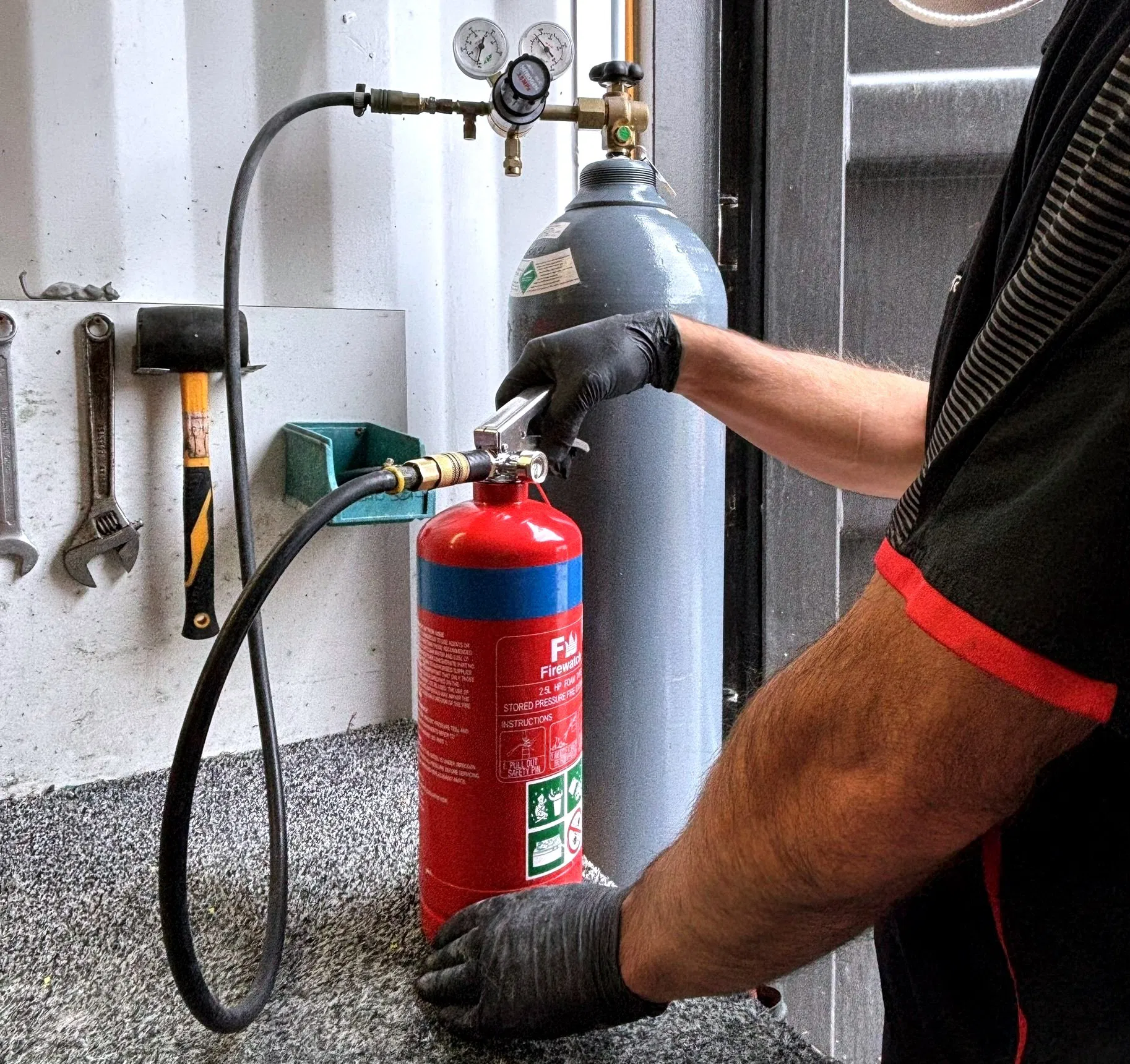
Fire safety is not something to think about after an accident—it’s something to prepare for before one happens. Whether it’s a small home, a busy office, or a large industrial factory, having the right firefighting safety equipment in place can save lives, reduce damage, and ensure legal compliance. Let’s break down exactly what equipment is required in homes, offices, and factories, and why working with reliable fire fighting equipment suppliers and a trusted fire extinguisher company matters.
Why Firefighting Safety Equipment Is Essential
Fire spreads fast and leaves little time to react. Proper equipment helps:
-
Control or extinguish fires early
-
Alert people quickly
-
Enable safe evacuation
-
Protect property and lives
Different environments face different fire risks, so equipment requirements vary.
Understanding Basic Fire Types
Before choosing equipment, it’s important to know fire classes:
-
Class A: Wood, paper, cloth
-
Class B: Flammable liquids (oil, fuel)
-
Class C: Electrical fires
-
Class D: Combustible metals
-
Class K: Cooking oils and fats
The right equipment depends on the fire class most likely to occur.
Firefighting Safety Equipment Required for Homes
Homes usually face risks from cooking, electrical faults, and heating appliances. Essential equipment includes:
Fire Extinguishers
Every home should have at least one ABC dry powder fire extinguisher, suitable for most household fires. Kitchens may also need a wet chemical extinguisher for cooking oil fires.
Smoke Detectors and Fire Alarms
Smoke detectors provide early warning, giving families time to escape. Install them in bedrooms, hallways, and kitchens, and test them regularly.
Fire Blankets
Simple and effective, fire blankets are ideal for small kitchen fires or clothing fires.
Emergency Exit Plan
Having equipment is not enough—every household should have a clear fire escape plan practiced regularly.
Firefighting Safety Equipment Required for Offices
Offices may look safe, but electrical equipment, documents, and pantry areas create fire hazards.
Fire Extinguishers
Offices should have fire extinguishers on every floor and near high-risk areas. Common types include:
-
ABC extinguishers for general use
-
CO₂ extinguishers for server rooms and electrical panels
A professional fire extinguisher company ensures correct selection and placement.
Fire Alarm and Detection Systems
Offices require centralized fire alarm systems that detect smoke or heat and alert occupants immediately.
Emergency Lighting and Exit Signage
During power failure or smoke conditions, emergency lighting and illuminated exit signs guide safe evacuation.
Fire Safety Training
Employees should be trained to use extinguishers and follow evacuation procedures calmly.
Firefighting Safety Equipment Required for Factories
Factories face higher risks due to machinery, chemicals, flammable materials, and heat-generating processes.
Industrial Fire Extinguishers
Factories need heavy-duty extinguishers such as:
-
Foam extinguishers for liquid fires
-
CO₂ extinguishers for electrical areas
-
Dry powder extinguishers for mixed risks
Automatic Fire Suppression Systems
Many factories require automatic systems like:
-
Sprinkler systems
-
Foam suppression systems
-
Gas-based suppression for sensitive equipment
Fire Hydrants and Hose Reels
Large industrial areas need hydrants and hose reels to control major fires until emergency services arrive.
Personal Protective Firefighting Equipment
Workers and emergency response teams need fire-resistant clothing, helmets, gloves, and breathing apparatus.
Role of Fire Fighting Equipment Suppliers
Reliable fire fighting equipment suppliers do more than sell products. They:
-
Assess fire risks
-
Recommend compliant solutions
-
Install equipment correctly
-
Provide inspection and maintenance services
Choosing certified suppliers ensures safety standards are met and equipment works when needed.
Choosing the Right Fire Extinguisher Company
A trusted fire extinguisher company should offer:
-
Certified and approved extinguishers
-
Proper installation and labeling
-
Regular servicing and refilling
-
Staff training and fire audits
This full-service approach keeps homes, offices, and factories prepared at all times.
Maintenance and Legal Compliance
Firefighting equipment must be inspected regularly. Expired or poorly maintained equipment is ineffective and can lead to legal penalties. Scheduled inspections ensure readiness and compliance with local fire safety regulations.
Conclusion
Fire safety is a shared responsibility across homes, offices, and factories. From simple smoke detectors at home to advanced suppression systems in factories, the right firefighting safety equipment saves lives and property. Partnering with experienced fire fighting equipment suppliers and a reliable fire extinguisher company ensures you’re not just compliant—but truly protected. When fire strikes, preparation makes all the difference.