
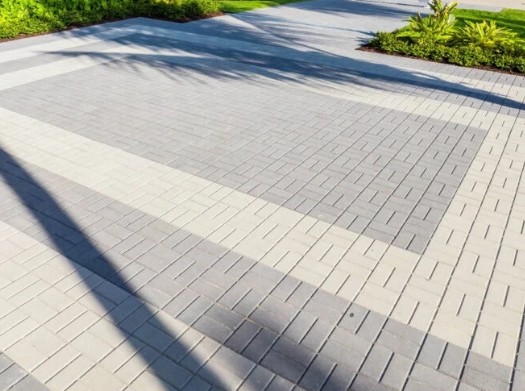
Walkways guide people safely through your yard, garden, or driveway. Choosing the right walkway paver patterns can make your path functional, safe, and beautiful. The right pattern not only adds style but also improves durability, prevents tripping hazards, and complements your home’s design. This guide will help you select the perfect walkway paver pattern step by step, making your project simple, fun, and successful.
Why Walkway Patterns Matter
A walkway is more than just a path. The pattern you choose affects safety, strength, and appearance. A strong pattern prevents shifting or cracking, while a thoughtful design makes your home inviting. Starting with a clear plan ensures the walkway lasts for years.
Consider the Purpose
Ask yourself how the walkway will be used. Will it carry foot traffic only, or will bikes, strollers, and garden carts pass over it? Busy areas need sturdy patterns, while quiet garden paths can focus on decorative appeal. Matching function to design keeps the walkway practical and attractive.
Shape and Size of Pavers
Walkway pavers come in squares, rectangles, circles, or irregular shapes. Large pavers work well for open paths, while smaller pavers allow intricate designs and curves. Choosing the right size helps you visualize the final look and makes installation easier.
Popular Walkway Patterns
Some patterns are both strong and visually appealing:
- Herringbone: A zigzag pattern that handles heavy foot traffic well.
2. Running Bond: Simple straight lines; quick to install and neat.
3. Basketweave: Classic and elegant, creates a charming look.
4. Circular/Radial: Perfect around trees or garden features for a focal point.
5. Stack Bond: Modern and clean; best for decorative or light-use walkways.
Each pattern adds its own personality and affects durability differently.
Matching Your Home’s Style
Consider your home’s architecture. Traditional houses often pair with basketweave or herringbone. Modern homes may look best with stack bond or geometric designs. Matching style creates harmony between your walkway and your home exterior.
Using Colors to Enhance Patterns
Colors can highlight or soften patterns. Contrasting colors make the design pop, while similar tones create a subtle, smooth look. Think about how colors blend with your home, garden, or yard to achieve the desired effect.
Testing Layout Before Installation
Before installing, lay out pavers to see the pattern. Use chalk, sand, or temporary boards to visualize lines. This simple step prevents mistakes and helps you adjust spacing and angles easily.
Installation Complexity
Some patterns, like herringbone, require precise angles and careful cutting. Others, like running bond, are easier for beginners. Choosing a pattern that matches your skill level or hiring a professional ensures a smooth installation.
Drainage and Slope
Patterns affect water flow. Make sure your walkway slopes gently to prevent pooling. Proper drainage avoids slippery areas and protects the walkway from damage over time.
Edge Treatments
Edges frame your walkway and keep pavers in place. Consider a contrasting border, larger pavers, or a different material to highlight the path. Strong edges reduce shifting and improve overall appearance.
Maintenance Considerations
Some patterns resist movement and weeds better than others. Tight interlocks are low-maintenance, while loose patterns may require resetting. Think about how much effort you want to spend maintaining your walkway.
Budget and Time
Complex patterns and small pavers may cost more and take longer to install. Simple patterns save money and time while still providing beauty. Decide what fits your budget without sacrificing quality.
Combining Patterns
Mixing patterns can create zones or highlight features. For example, a running bond walkway with a circular patio entrance looks engaging and creative. Combining patterns adds visual interest and emphasizes important areas.
Seasonal Considerations
Weather affects your paver choice. Freeze-thaw cycles can crack certain materials, and sunny areas may fade some colors. Choose patterns and materials suited to your climate to ensure longevity.
Accessibility and Safety
Ensure walkways are even and smooth for all users. Avoid very small or uneven pavers that may cause tripping. Smooth, well-laid patterns create safe and comfortable paths for children, guests, and pets.
Integrating with Landscaping
Your walkway should complement plants, trees, and garden features. Curved or circular patterns work well around trees, while straight lines guide visitors through the yard. A harmonious integration makes your garden feel complete.
When to Call a Professional
Intricate patterns, slopes, or large projects may require professional help. Experts ensure proper leveling, alignment, and cutting, saving you time and potential frustration.
Benefits of Well-Chosen Patterns
A good walkway pattern increases home curb appeal, guides traffic safely, and enhances overall landscaping. Thoughtful planning ensures your investment lasts longer and looks better.
Enjoy Your Walkway
Once installed, a well-planned walkway provides comfort, safety, and beauty. Walking on a smooth, stylish path makes daily life more pleasant and your outdoor space more inviting.
Planning for Expansion
If you plan to extend the walkway in the future, choose a pattern that can continue seamlessly. Consistency in layout keeps the project looking professional over time.
Summary: Choosing Walkway Paver Patterns
Selecting the right walkway paver pattern is about balancing style, durability, function, and maintenance. Thoughtful choices result in a walkway that looks beautiful, lasts longer, and adds value to your home.
Frequently Asked Questions
Which walkway pattern is strongest for heavy foot traffic?
The herringbone pattern is excellent for durability and distributes weight evenly.
Can I mix different paver patterns in a single walkway?
Yes, combining patterns can create visual interest, but planning is essential to keep a cohesive look.
How do I maintain my walkway for years?
Regularly check for shifting, clean debris, and reseal pavers if needed. Strong interlocking patterns reduce maintenance needs.