
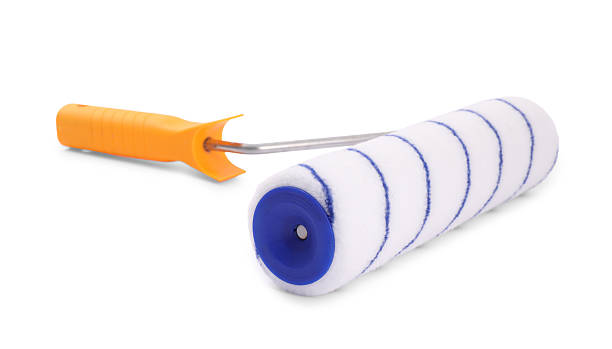
Painting looks easy until you’re halfway through a wall and wondering why it already looks… off. I’ve been there. Most people blame the paint brand or the lighting. Some blame their own “lack of skill.” But a lot of the time, it comes down to the roller. Not even the frame. The refill. Something as basic as choosing the right paint roller refill 4 inch for trim or smaller areas, can completely change how the finish turns out. It’s not flashy advice. It won’t sell YouTube views. But it’s real. The roller sleeve controls how the paint sits, spreads, and dries. Get that wrong, and you’re fighting the wall the whole time.
It’s Not Just a Fuzzy Tube of Fabric
People treat roller refills like they’re disposable fluff. Grab one. Dip it. Done. That mindset is exactly why so many DIY paint jobs look uneven. The roller cover actually controls paint flow. It decides how much paint gets picked up, how evenly it’s released, and how much texture gets left behind. A bad or wrong refill will dump paint in one patch and leave another looking dry. Then you go back over it, and now you’ve got lap marks. Then you try to fix those. It spirals. A good refill smooths everything out. It steadily spreads paint, almost forgiving small mistakes. That’s the difference people notice, even if they don’t know why the wall looks better.
Nap Thickness Is Where Most People Mess Up
Let’s talk nap. That fluffy thickness on the roller? It matters more than brand names. Smooth drywall or ceilings usually need a shorter nap, something around 1/4 inch or 3/8 inch. That keeps the texture tight and controlled. If you go too thick on a smooth wall, you’ll leave heavy stipple marks. Looks amateur. On the flip side, rough surfaces like textured plaster or brick need a thicker nap so the paint actually reaches into the grooves. Using a thin roller is exhausting. You keep reloading, pressing harder, and still missing spots. Matching nap to surface isn’t overthinking it. It’s just common sense, honestly.
Where the 4 Inch Roller Really Earns Its Keep
The small roller doesn’t get enough credit. A paint roller refill 4 inch is perfect for doors, cabinets, narrow walls, and awkward corners. It gives you control. You can slow down and keep edges clean without dragging paint into places it shouldn’t go. I’ve seen people try to force a standard 9-inch roller into tight areas and then wonder why there’s paint on the ceiling line. The smaller roller isn’t just for touch-ups. It’s for precision. Especially when you care about sharp lines. It feels more balanced in your hand, too, less clumsy.
Material Changes the Finish More Than You Expect
Roller covers come in microfiber, woven fabric, foam, and a bunch of blends. Each one behaves differently. Microfiber holds a lot of paint and releases it evenly, which helps reduce streaking. Woven covers tend to be durable and leave a smoother finish on flat walls. Foam rollers can be great on cabinets or very smooth surfaces, but if you press too hard, you’ll see tiny bubbles forming. And then there are the super cheap polyester covers. They shed. Little fibres stuck in your fresh coat. It’s annoying. You try to pick them out, mess up the surface, and now you’re irritated. Spend a little more. It saves frustration.
Stop Pressing So Hard
This isn’t entirely about the refill, but it’s connected. When someone uses a low-quality roller cover, it stops holding paint evenly pretty quickly. So what do they do? They press harder. That’s when roller marks start showing. You don’t need to mash the roller into the wall. Let it glide. Load it properly, roll in a loose “W” pattern, then fill it in lightly. If it sounds sticky or dry, reload. Don’t drag it just to stretch the dip. That’s how you get those shiny and dull patches once the paint dries. And they always show up in natural light, never when you’re standing right in front of it.
For Bigger Jobs, Width Changes the Game
When you’re painting a large open wall or a commercial space, time matters. That’s where an 18 inch paint roller starts making sense. It covers a lot more area in fewer passes, which helps keep a consistent wet edge. Fewer overlaps mean fewer visible lines. It’s heavier, yeah. Takes a bit of adjustment in your arms and shoulders. But once you get used to it, it moves fast and leaves a more uniform finish across big sections. Pair it with a quality roller cover, and it almost feels efficient instead of exhausting. Almost.
Cheap Refills Cost You More Later
I get the temptation to buy the budget multipack. Especially if you think you’ll toss them after one job. But cheap roller refills flatten out quickly. They don’t carry paint well. They splatter more. And they make you work harder than you need to. A better-quality refill keeps its shape and distributes paint evenly through the whole job. It doesn’t suddenly give up halfway through the second coat. You don’t have to go top-shelf professional grade every time, but avoid the bottom-tier stuff if you actually care about how the walls look when you’re done.
Prep the Refill Before You Even Start
Here’s something most people skip. Before using a new roller refill, rinse it lightly with water if you’re using water-based paint. Then spin out the excess. It helps remove loose fibres and gets the cover ready to absorb paint more evenly. Takes two minutes. During breaks, wrap the roller in plastic instead of leaving it exposed. Keeps it from drying out. When you’re done, clean it properly if it’s reusable. A decent roller cover can last through multiple projects if you treat it halfway decently. Neglect it, and it turns stiff and useless fast.
Conclusion
Getting professional painting results isn’t about having some secret technique. It’s about small choices that add up. The right roller refill changes how paint flows, how smooth it dries, and how much effort the job takes. Whether you’re using a paint roller refill 4 inch for detailed work or stepping up to a wider option for open walls, the tool matters. More than people think. When the refill matches the surface and the job, everything feels easier. The paint goes on smoother. The finish looks cleaner. And you’re not standing there afterwards wondering what went wrong. Sometimes it really is the simple stuff.