
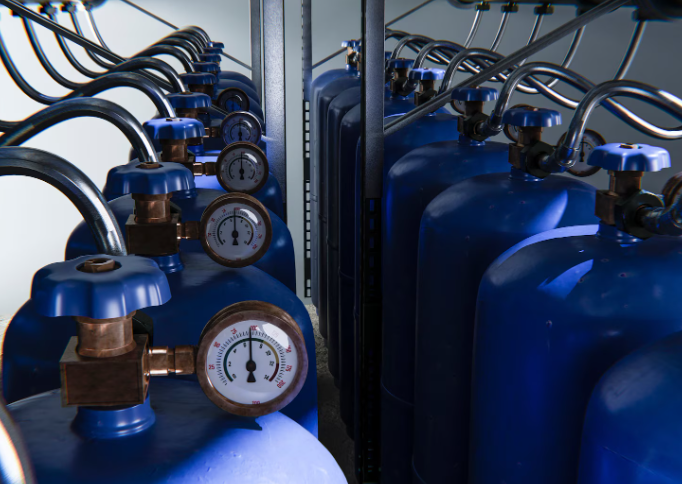
In today’s world, sustainability and eco-conscious choices are no longer optional—they have become an essential part of modern living. One area where homeowners can make a significant environmental impact is in the way they manage fuel for their homes. Gas bottles, commonly used for cooking, heating, and other domestic needs, play a crucial role in everyday life. However, the traditional approach of purchasing new gas bottles frequently contributes to environmental waste and unnecessary carbon emissions. The solution? Refill gas bottles—a practical, eco-friendly alternative that benefits both the environment and your household budget.
Understanding Gas Bottles and Their Uses
Gas bottles, also known as LPG (liquefied petroleum gas) cylinders, are widely used in homes for cooking, heating, and even powering certain appliances. They are convenient, portable, and provide a reliable source of energy, especially in areas without natural gas pipelines. Gas bottles come in various sizes, typically ranging from small 3kg cylinders for camping or portable stoves to larger 48kg bottles used for household heating and cooking needs.
Traditionally, when a gas bottle is emptied, many people dispose of it or exchange it for a new one. While convenient, this system can lead to significant environmental impacts. The production of new gas bottles requires energy and raw materials, and improperly handled or discarded bottles can contribute to metal waste and greenhouse gas emissions.
Why Refill Gas Bottles Is an Eco-Friendly Choice
Refilling gas bottles rather than buying new ones offers several environmental advantages.
1. Reduces Metal Waste
Every new gas bottle requires metal production, usually steel or aluminum, which involves mining, processing, and manufacturing. By refilling an existing bottle, households reduce the need for new metal, helping to conserve natural resources and minimize waste.
2. Lowers Carbon Footprint
Manufacturing, transporting, and recycling gas bottles generate carbon emissions. Refill programs cut down on these processes, leading to a smaller carbon footprint for each household. Choosing to refill your gas bottle is a simple yet effective way to contribute to carbon reduction efforts.
3. Encourages Sustainable Practices
Opting for gas refills fosters a culture of sustainability. It encourages homeowners to think about energy consumption, resource conservation, and environmental responsibility. This small shift can inspire larger eco-conscious behaviors within the household.
The Process of Refilling Gas Bottles
Refilling a gas bottle is a straightforward process, and many suppliers now provide this service with strict safety protocols. Here’s a general overview of how it works:
-
Inspection of the Bottle – Before refilling, the bottle is inspected for any damage, rust, or leaks. Safety is paramount, and only bottles that meet safety standards are refilled.
-
Weighing the Bottle – To ensure the correct amount of gas is added, the bottle is weighed before and after refilling.
-
Refilling the Gas – LPG is carefully transferred into the bottle, following strict safety regulations to prevent accidents.
-
Sealing and Testing – Once filled, the bottle is sealed and may undergo pressure testing to confirm its integrity.
Homeowners can either take their empty bottles to a refill station or opt for a home delivery service, where trained professionals refill the bottles on-site.
Safety Considerations When Refilling Gas Bottles
While refilling gas bottles is environmentally friendly, safety should always come first. LPG is highly flammable, and improper handling can lead to accidents. Here are key safety tips for homeowners:
-
Check the Bottle for Damage: Never refill a bottle with visible dents, rust, or leaks.
-
Use Authorized Refill Stations: Always go to certified refill stations or professional services to ensure proper handling.
-
Store Bottles Properly: Keep gas bottles upright, away from heat sources, and in well-ventilated areas.
-
Avoid Overfilling: Overfilled bottles can lead to gas leaks and potential hazards.
By following these guidelines, homeowners can enjoy the convenience of refilled gas bottles without compromising safety.
Cost Benefits of Refilling Gas Bottles
Apart from the environmental advantages, refilling gas bottles can also be economically beneficial.
-
Lower Cost Per Refill: Refilling is often cheaper than purchasing a brand-new bottle.
-
Reduced Delivery Fees: Many refill services offer competitive delivery fees or discounts for regular customers.
-
Long-Term Savings: Over time, consistently refilling bottles rather than buying new ones can save households a significant amount of money.
These financial incentives, combined with eco-friendly benefits, make refilling gas bottles a smart choice for modern households.
Choosing the Right Refill Service
Selecting the right refill service is crucial to ensure safety, reliability, and environmental impact. Here are some factors to consider:
1. Certification and Licensing
Always choose a refill provider that is certified by local regulatory authorities. Certification ensures that the company follows safety and environmental guidelines.
2. Transparent Pricing
A reliable service will provide clear pricing for refills, including delivery fees if applicable. Avoid providers with hidden charges or unclear terms.
3. Professional Staff
Refill services should employ trained personnel who follow proper safety protocols when handling LPG.
4. Customer Reviews
Check online reviews or seek recommendations from friends and neighbors. A trusted service will have positive feedback and a reputation for reliability.
5. Eco-Conscious Practices
Some providers take additional eco-friendly steps, such as using reusable transport containers, recycling old bottles, or offering incentives for regular customers. Choosing such a service aligns with sustainable living goals.
Integrating Refill Gas Bottles into a Sustainable Home
Refilling gas bottles is just one part of creating an eco-friendly home. By integrating this practice into broader sustainability efforts, households can significantly reduce their environmental footprint. Here’s how:
-
Energy Efficiency: Use energy-efficient stoves, heaters, and appliances that consume less gas.
-
Smart Storage: Keep bottles in shaded, ventilated areas to reduce energy loss and prevent accidents.
-
Regular Maintenance: Maintain appliances regularly to ensure they operate efficiently, reducing gas consumption.
-
Alternative Energy Sources: Consider supplementing LPG use with renewable energy solutions, such as solar panels, to further reduce reliance on fossil fuels.
Adopting a holistic approach to energy management in the home not only saves money but also contributes to a cleaner, healthier planet.
Environmental Impact: A Closer Look
When households switch to refilled gas bottles, the positive impact extends beyond the immediate home environment.
-
Reduction in Manufacturing Emissions: Each new bottle produced requires significant energy and generates greenhouse gases. Refilling reduces this demand.
-
Less Landfill Waste: Discarded bottles can end up in landfills, taking years to decompose. Refilling minimizes this waste.
-
Promotes Circular Economy: Refill systems encourage a reuse culture, where resources are cycled rather than discarded.
Over time, widespread adoption of refilling practices can contribute to national and even global sustainability goals.
Overcoming Common Misconceptions
Despite the benefits, some homeowners hesitate to switch to refilling due to misconceptions:
-
“Refills Are Unsafe”: When handled by certified professionals, refills are just as safe as new bottles. Regular inspections and safety protocols minimize risks.
-
“Refilling Is Inconvenient”: Many services now offer home delivery, making refilling as convenient as exchanging a new bottle.
-
“It Costs More”: Refill costs are often lower than buying a new bottle, especially in the long term.
By understanding the facts, homeowners can make informed decisions and adopt eco-friendly solutions confidently.
Tips for Maximizing Benefits
To get the most from refilling gas bottles, consider these practical tips:
-
Maintain Your Bottles – Clean and inspect bottles regularly to ensure longevity and safety.
-
Track Consumption – Keep a log of gas usage to plan refills efficiently, avoiding last-minute emergencies.
-
Buy in Bulk – For larger households, refilling multiple bottles at once can save time and money.
-
Combine with Other Green Practices – Use energy-efficient appliances, reduce unnecessary gas consumption, and recycle any old bottles responsibly.
These small habits make refilling gas bottles even more effective as a sustainable practice.
Future of Gas Bottle Refills
The trend of refilling gas bottles is likely to grow as environmental awareness increases. Innovations in refill technology, smart monitoring systems, and eco-friendly distribution networks are making the process safer, more efficient, and more accessible to households. Governments and environmental organizations are also encouraging such practices through incentives, awareness campaigns, and stricter regulations on waste management.
Adopting refill practices today not only benefits the environment but also positions households at the forefront of sustainable living for the future.
Conclusion
Refill gas bottles is a practical, eco-friendly solution that allows homeowners to reduce waste, lower carbon emissions, and save money. By choosing refill services, maintaining safety standards, and integrating this practice into a broader sustainable lifestyle, households can significantly minimize their environmental impact.
This small, conscious change—switching from purchasing new gas bottles to refilling existing ones—demonstrates that even everyday decisions can contribute to a greener, more sustainable planet. Eco-friendly living is not just about large-scale initiatives; it starts at home, with simple, mindful choices like refilling gas bottles. As more households embrace this practice, the combined effect can lead to substantial environmental benefits, promoting a cleaner and healthier future for generations to come.