Virtual machines help businesses run many systems on one server. This saves space and lowers costs. Many companies now depend on virtualization for daily work.
Recent industry reports show that more than 90% of organizations use virtualization in their IT systems.
This number keeps growing every year. As virtualization grows, companies need hardware that supports many workloads at the same time. Rack servers meet this need very well.
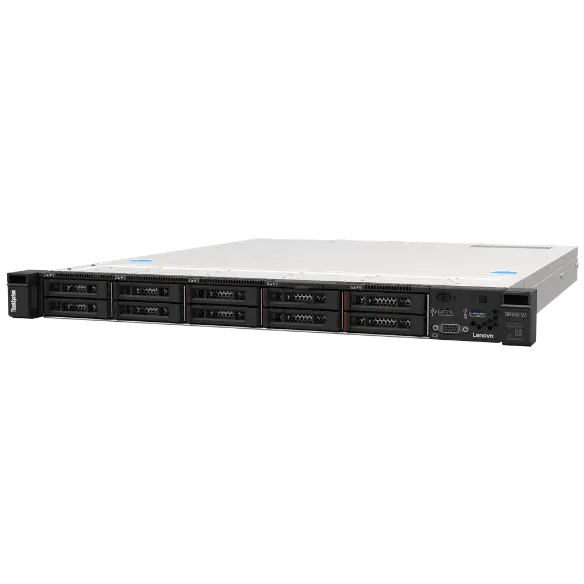
These servers fit inside special cabinets that hold multiple systems in one place. This design helps IT teams manage large numbers of virtual machines with ease. Businesses also gain better speed, stability, and scalability. That is why many data centers prefer server rack mount systems for virtualization environments. The design supports heavy workloads and keeps systems organized.
Today, you will learn reasons why rack servers work so well for virtual machine hosting.
1. High-Density Supports More Virtual Machines
Virtual machines allow several operating systems to run on one physical server. This setup needs strong hardware and enough computing resources. Rack servers help because they support high-density deployments, where this rack cabinet can hold many servers stacked together.
Many data centers install server rack mount units to support dense virtualization clusters. This structure keeps everything compact and efficient. This design helps companies run many virtual machines without using extra floor space. IT teams manage dozens or even hundreds of virtual machines in one rack environment.
Key advantages include
- More servers in one cabinet.
- Better use of physical space.
- Easy expansion when workloads grow.
Why Density Matters for Virtualization
Virtual machines share CPU memory and storage. When servers stay close together, the infrastructure becomes easier to manage. Administrators can control multiple systems through centralized management tools.
High density also helps when businesses expand their virtual machine environments. Teams add another rack server without redesigning the entire infrastructure. This is a simple growth model that makes rack servers a viable solution to long-term virtualization plans.
2. Strong Processing Power Handles Heavy Workloads
Virtual machines require high-speed processors and high memory. Rack servers are compatible with high-performance hardware to address these needs. The current rack servers have multi-core processors, high RAM capacity and high storage facilities. These elements enable the system to operate numerous virtual machines simultaneously without decelerating.
- Faster data processing.
- Multitasking between virtual machines.
- Enhanced enterprise applications.
Most organizations operate database analytics applications and web platforms in virtual machines. Rack servers are the computing power required to support these workloads.
3. Efficient Cooling Improves System Stability
Virtual machine environments run continuously. This constant activity generates heat. Excess heat reduces performance and may cause system failure.
Rack servers help solve this problem with structured airflow. Data center racks guide cool air through the front and push warm air out through the back. This design keeps hardware temperatures stable.
Benefits of organized cooling include
- Lower risk of overheating.
- Stable performance during heavy workloads,
- Longer hardware lifespan.
IT teams often combine rack cabinets with advanced cooling systems. This approach helps maintain reliable operations for virtual machines that run twenty-four hours each day.
4. Easy Scalability Supports Business Growth
Business needs to change quickly. Virtual machine environments must grow as workloads increase. Rack servers enable this expansion without sophisticated upgrades. When companies require more computing power, they just add server to the rack.
Simple Expansion for Virtual Machine Clusters
Virtual machine clusters depend on multiple physical servers working together. Rack infrastructure helps administrators scale these clusters easily. Teams install another unit in the rack and connect it to the virtualization platform. The new server immediately joins the cluster and starts supporting additional workloads.
This flexibility explains why many enterprises choose servers rack mount systems when they build virtualization environments. The architecture supports both small installations and large enterprise data centers.
5. Centralized Management Saves Time for IT Teams
Managing many virtual machines becomes complex without the right infrastructure. Rack systems simplify operations by organizing hardware in one location. All systems sit inside structured cabinets. IT teams access them through front and rear panels. This setup allows faster maintenance and easier monitoring.
Centralized management offers several benefits
- Quick hardware upgrades.
- Faster troubleshooting
- Better cable organization.
When equipment stays organized administrators save time. They locate issues quickly and keep virtual machine environments running smoothly. Many modern data centers rely on server rack mount systems because they improve operational efficiency for IT staff.
6. Reliable Infrastructure Supports Continuous Operations
Virtual machines often run critical applications. Businesses expect these systems to remain available at all times. Rack servers provide the reliability needed for these environments. Manufacturers design rack servers with enterprise-grade components. Redundant power supplies and advanced storage systems protect against failure.
Reliability advantages include
- Backup power systems.
- Fault-tolerant storage options.
- Hardware designed for continuous workloads.
This dependable architecture supports large virtualization platforms. Companies host databases, cloud services, and internal applications on rack server clusters with confidence.
Conclusion
Virtual machines help businesses run many systems on one server. This method saves money and space. It also helps teams manage workloads in a simple way. But virtual machines need strong and stable hardware to work well.
Rack servers support this need very well. They offer strong processing power and good cooling. They also allow easy expansion when workloads grow. IT teams can manage many systems from one place which saves time.
Many data centers now use servers rack mount systems for virtual machine hosting. These servers provide stability speed and better organization. Because of these benefits rack servers continue to support modern virtualization environments.