
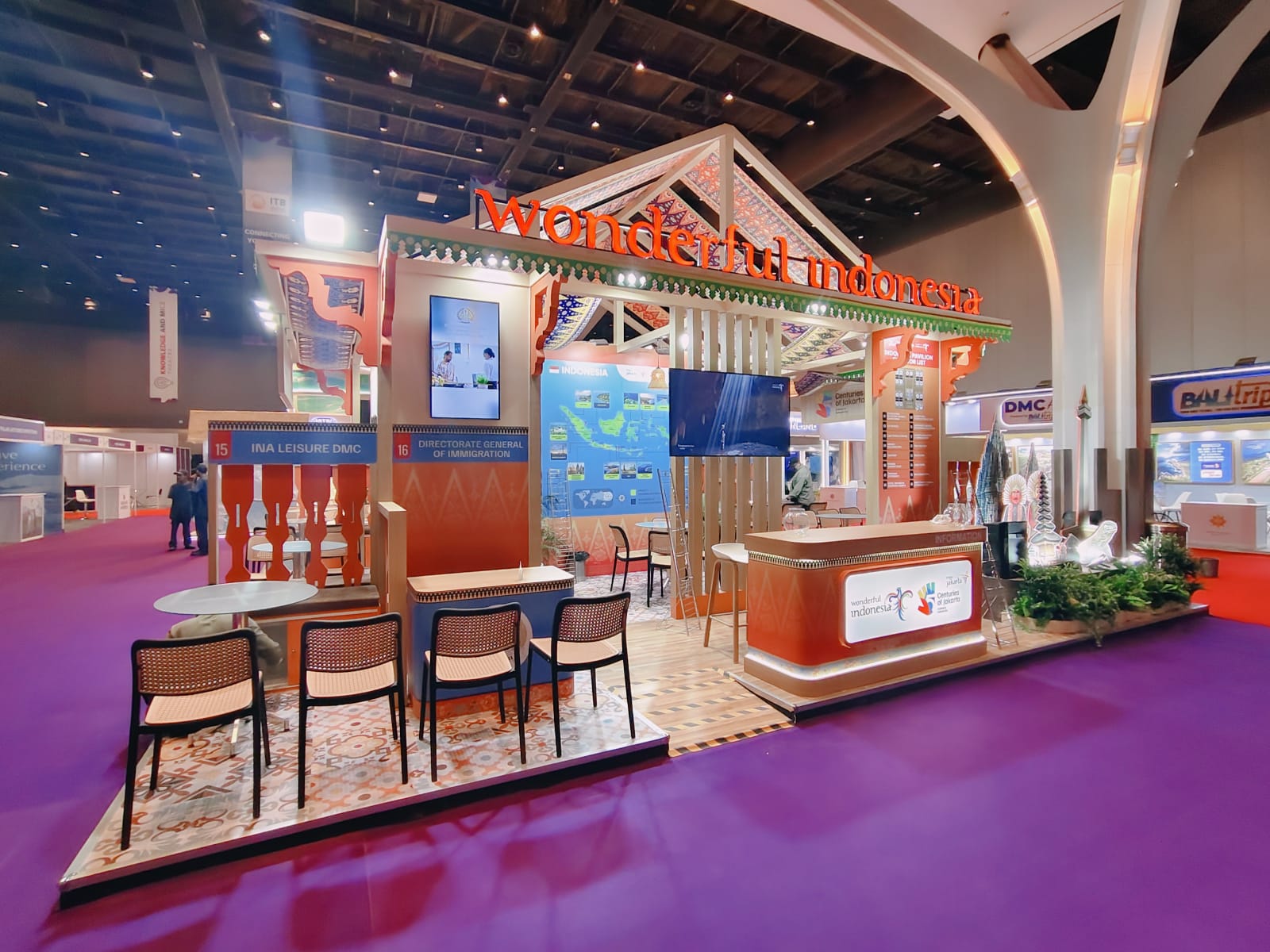
Exhibitions and trade shows provide businesses with valuable opportunities to showcase their products, connect with potential customers, and strengthen their market presence. However, standing out in a busy exhibition hall requires more than simply displaying products. A well-designed and professionally built exhibition stand can attract visitors, communicate a brand’s identity, and create meaningful interactions.
This is where experienced exhibition stand manufacturers play an important role. From developing the initial design concept to managing production, logistics, installation, and dismantling, professional manufacturers handle every stage of the exhibition stand process. Their expertise helps exhibitors transform ideas into practical, attractive, and functional spaces that support their marketing goals.
Understanding the Role of Exhibition Stand Manufacturers
Exhibition stand manufacturers are responsible for turning an exhibitor’s requirements and creative ideas into a physical exhibition space. Their role typically covers much more than construction. They work closely with businesses to understand their brand, products, target audience, objectives, budget, and event requirements.
A professional manufacturer can manage the complete project under one roof, including:
- Exhibition stand design and concept development
- 3D visualisation and design presentations
- Material selection
- Stand production and fabrication
- Graphics and branding
- Lighting and electrical solutions
- Furniture and display elements
- Transportation and logistics
- On-site installation
- Final inspection
- Dismantling and storage
Having one experienced team manage these stages can make the exhibition process more organised and reduce the challenges associated with coordinating multiple suppliers.
Read More: Top 5 Exhibition Stand Contractors in the Netherlands
Step 1: Understanding the Client’s Requirements
Every successful exhibition stand begins with a clear understanding of the exhibitor’s objectives. Before developing a design, exhibition stand manufacturers discuss the company’s requirements and expectations.
Important considerations may include the size and location of the exhibition space, the type of products being presented, the expected number of visitors, brand guidelines, budget, storage requirements, meeting areas, product demonstrations, and hospitality facilities.
Manufacturers also consider the specific rules and technical regulations of the exhibition venue. Understanding these requirements at the beginning helps prevent costly changes later in the project.
Step 2: Developing the Design Concept
Once the requirements are established, the design process begins. This is where creativity and functionality come together.
Professional exhibition stand contractors in Rimini should reflect the identity of the brand while making effective use of the available floor space. Designers consider visitor movement, product visibility, branding opportunities, meeting areas, demonstrations, storage, and accessibility.
The objective is not simply to create an attractive structure. The stand should support the exhibitor’s overall marketing strategy.
For example, a technology company may require demonstration stations and interactive screens, while a luxury brand may focus more on premium finishes, private meeting rooms, and sophisticated lighting.
Read More: Why Professional Exhibition Stand Construction Matters
Step 3: 3D Visualisation and Design Approval
Modern exhibition stand manufacturers commonly use 3D design and visualisation tools to present how the finished stand could look.
These visualisations allow clients to review important elements before production begins. They can see the proposed layout, branding areas, furniture, lighting, graphics, product displays, and meeting spaces.
At this stage, the client can provide feedback and request adjustments. This collaborative process helps ensure that the final design matches the company’s expectations.
Approving the design before manufacturing also reduces the possibility of misunderstandings during the construction stage.
Step 4: Selecting Materials and Finishes
Material selection has an important influence on the appearance, durability, and overall performance of an exhibition stand.
Depending on the design and budget, manufacturers may work with materials such as timber, aluminium, glass, acrylic, fabric graphics, metal elements, and various decorative finishes.
The choice of materials should support the brand image while also considering transportation, installation time, sustainability, and venue regulations.
Experienced manufacturers can recommend suitable materials based on the stand design and the requirements of the event.
Step 5: Stand Production and Fabrication
After the design has been approved and materials have been selected, the manufacturing process begins.
During fabrication, different components of the exhibition stand are produced according to the approved design specifications. This may include walls, counters, product displays, meeting rooms, storage units, hanging structures, lighting features, and branded elements.
Quality control is important during this stage. Components need to be accurately produced so that they can be assembled efficiently at the exhibition venue.
Professional exhibition stand manufacturers coordinate production carefully to ensure that the finished components are ready for transportation and installation according to the event schedule.
Step 6: Graphics and Branding
Graphics are one of the most visible parts of an exhibition stand. Strong branding helps visitors recognise the company from a distance and understand what the business offers.
Manufacturers may incorporate company logos, product images, marketing messages, large-format graphics, illuminated signs, digital screens, and other branded elements into the stand.
Effective graphic placement is essential. Important messages should be positioned where visitors can easily see them, while the overall design should remain clear and professional.
Step 7: Logistics and Transportation
Once the stand components have been manufactured, they need to reach the exhibition venue on time.
Exhibition projects often involve strict deadlines, limited access windows, and venue-specific delivery requirements. Professional manufacturers therefore coordinate transportation and logistics carefully.
They may organise packaging, loading, transportation, delivery scheduling, and on-site handling. Proper planning helps reduce the risk of delays or damaged components.
For exhibitors participating in international trade shows, experienced manufacturers can also help coordinate projects across different locations and exhibition venues.
Step 8: On-Site Installation
Installation is one of the most important stages of the entire process. Even an excellent design can fail to deliver the expected result if it is not properly constructed on-site.
Professional installation teams assemble the stand according to the approved drawings and technical specifications. They install structural elements, graphics, lighting, furniture, displays, flooring, and other components.
The team also checks the stand to ensure that it is safe, stable, functional, and visually consistent with the approved design.
Working with an experienced contractor can be particularly valuable because exhibition halls often provide limited installation periods. An organised team can complete the work efficiently while meeting venue regulations and deadlines.
Step 9: Final Inspection and Handover
Before the exhibition opens, the completed stand should undergo a final inspection.
Manufacturers check elements such as:
- Branding and graphics
- Lighting
- Electrical connections
- Furniture placement
- Product displays
- Storage areas
- Meeting spaces
- Structural components
- Overall finish
Any last-minute issues can then be identified and corrected before visitors enter the exhibition hall.
The final result should be a clean, professional, and functional environment that is ready for the exhibitor’s team and customers.
Step 10: Dismantling After the Event
The manufacturer’s role does not necessarily end when the exhibition closes. Many exhibition stand manufacturers also provide dismantling and removal services.
After the event, the stand is carefully dismantled according to venue requirements. Reusable components may be packed and stored for future events, while other materials can be recycled or disposed of responsibly.
Planning for reuse can help exhibitors reduce future costs and minimise material waste.
Why Choose Professional Exhibition Stand Manufacturers?
Working with experienced exhibition stand manufacturers offers several advantages. The biggest benefit is having a coordinated team responsible for the complete project.
Instead of managing separate designers, fabricators, installers, graphic suppliers, and logistics companies, exhibitors can work with one experienced partner.
Professional manufacturers can also provide:
- Customised stand solutions
- Creative and practical designs
- Better project coordination
- Professional fabrication
- Reliable installation
- Consistent branding
- Efficient logistics
- Technical expertise
- Post-event dismantling
Most importantly, a professionally delivered exhibition stand allows businesses to focus on engaging with visitors rather than worrying about construction and technical details.
Creating Stands That Support Business Goals
A successful exhibition stand should do more than look impressive. It should contribute to the exhibitor’s wider business objectives.
The design should encourage visitors to enter the stand, make products easy to understand, provide comfortable areas for conversations, and create opportunities for lead generation.
Whether the objective is launching a new product, increasing brand awareness, meeting existing customers, or entering a new market, the stand should be designed around measurable goals.
This is why collaboration between the exhibitor and manufacturer is so important. The more clearly the manufacturer understands the company’s objectives, the more effectively the stand can support the exhibition strategy.
Conclusion
From the first design concept to final installation, exhibition stand production involves multiple stages that require creativity, technical knowledge, project management, and attention to detail. Professional exhibition stand manufacturers bring these elements together to create exhibition spaces that are visually engaging, practical, and aligned with a brand’s objectives.
Choosing the right manufacturing partner can simplify the entire exhibition process. From design and fabrication to logistics, installation, and dismantling, an experienced team can manage the project efficiently and help exhibitors make a stronger impression on the exhibition floor.
For businesses looking to create a memorable presence at trade shows and exhibitions, investing in a professionally designed and manufactured stand can be an important step toward attracting visitors, strengthening brand visibility, and creating valuable business opportunities.