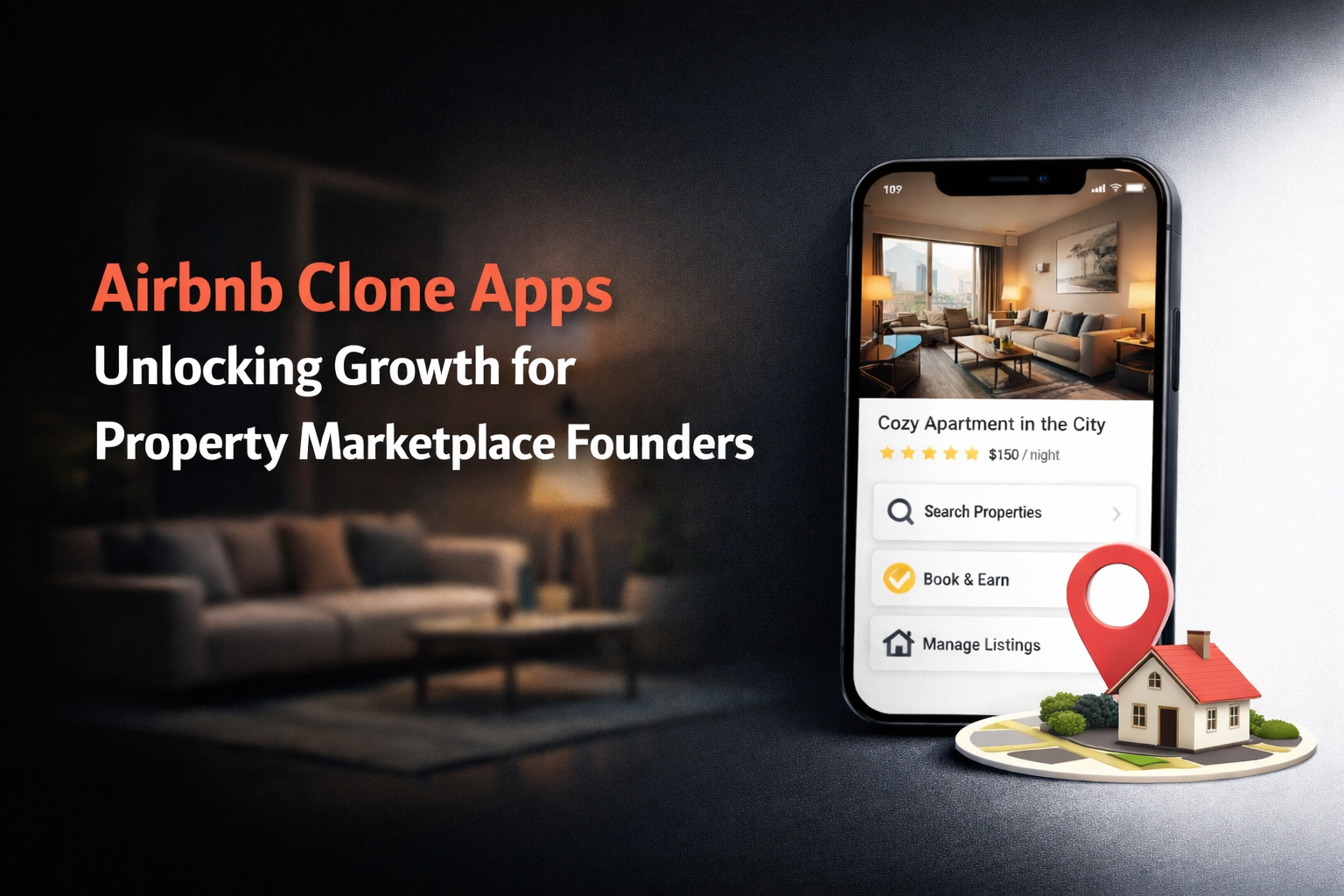
The vacation rental economy continues to expand as travellers shift toward flexible, personalized stays over traditional hotels. For property marketplace founders, launching faster with proven frameworks has become a strategic advantage. This is where Airbnb clone development plays a significant role, enabling businesses to enter the market with ready-to-customize solutions while focusing on differentiation and growth.
A well-crafted clone app is not about replication alone; it is about adapting a validated model to a unique business vision. Founders who understand this balance are better positioned to scale their platforms efficiently and compete in a crowded marketplace.
Understanding the Business Value of Airbnb Clone Platforms
Airbnb-inspired applications provide a structured ecosystem that connects hosts and travellers seamlessly. By leveraging Airbnb clone development, startups can avoid building complex systems from scratch and instead concentrate on enhancing user experience and expanding inventory.
These platforms come equipped with essential features such as listing management, booking systems, payment gateways and review mechanisms. The real advantage lies in how quickly founders can deploy a minimum viable product and start acquiring users.
A strong marketplace foundation ensures smoother onboarding for both hosts and guests, which directly impacts user retention and platform credibility.
Key Features That Drive Marketplace Growth
A scalable rental marketplace depends on features that simplify interactions and build trust. The success of any clone platform relies on how effectively these functionalities are implemented and optimized.
Core Functional Elements
- Advanced property search with filters that allow users to refine results based on preferences such as location, price and amenities
- Secure payment integration supporting multiple currencies and payment methods
- Real-time booking management that minimizes scheduling conflicts
- Review and rating systems that enhance transparency and trust among users
Each of these elements contributes to a frictionless experience, which is essential for long-term engagement.
User-Centric Enhancements
Beyond core features, successful platforms integrate personalization. Recommendation engines, saved listings and tailored notifications improve user satisfaction. These additions help founders differentiate their apps even when using a similar structural base.
Customization as a Competitive Advantage
Many founders assume clone apps are limited in flexibility, but modern Airbnb clone development solutions offer extensive customization. From UI/UX design to backend architecture, every aspect can be tailored to align with business goals.
Customization allows businesses to target niche markets such as luxury stays, co-living spaces, or short-term corporate rentals. It also opens opportunities for region-specific adaptations, including local payment methods and compliance requirements.
A unique interface combined with localized features can transform a standard clone into a distinct marketplace experience that attracts a loyal user base.
Monetization Models for Sustainable Revenue
Generating consistent revenue is crucial for any property marketplace. Clone apps provide multiple monetization pathways that can be implemented based on business strategy.
Revenue Streams to Consider
- Commission-based earnings from each booking transaction
- Subscription plans for hosts offering premium visibility or analytics tools
- Featured listing fees that boost property exposure
- Service charges for guests during the booking processes
These revenue channels can be combined strategically to create a balanced income structure while maintaining user satisfaction.
Technology Stack and Scalability Considerations
Choosing the right technology stack determines how well the platform can scale as user demand increases. Modern clone applications often utilize cloud-based infrastructure to ensure performance and reliability.
Backend frameworks need to support high traffic volumes, while frontend interfaces must deliver fast load times across devices. Mobile responsiveness is no longer optional, as a significant portion of bookings happens via smartphones.
Security also plays a critical role. Data encryption, secure authentication and compliance with global standards are essential to protect user information and maintain trust.
Challenges Founders Should Anticipate
While Airbnb clone development simplifies entry into the market, it does not eliminate operational challenges. Founders must be prepared to address issues related to supply acquisition, user trust and regulatory compliance.
Building a strong host network requires strategic outreach and incentives. At the same time, maintaining quality standards across listings is essential to avoid negative user experiences.
Legal frameworks can vary across regions, especially concerning short-term rentals. Understanding these regulations early can prevent disruptions in operations.
Growth Strategies for Property Marketplace Success
Launching a platform is only the beginning. Sustained growth requires a combination of marketing, partnerships and continuous product improvement.
Strategic Growth Approaches
- Implement targeted digital marketing campaigns focusing on high-demand travel destinations
- Collaborate with local property owners and agencies to expand inventory
- Use data analytics to understand user behaviour and optimize platform features
- Introduce loyalty programs to encourage repeat bookings
A data-driven approach allows founders to refine their strategies and maximize return on investment.
The Role of User Experience in Retention
User experience directly influences how long customers stay engaged with a platform. Smooth navigation, intuitive design and fast booking processes are critical elements that determine success.
Investing in UX design during Airbnb clone development ensures that users can easily browse, compare and book properties without friction. Clear communication channels between hosts and guests further enhance trust and satisfaction.
Consistency across web and mobile platforms also plays a vital role in delivering a seamless experience.
Future Trends in Rental Marketplace Apps
The evolution of rental platforms continues to introduce new opportunities for founders. Technologies such as AI-driven recommendations, virtual property tours and dynamic pricing models are becoming increasingly relevant.
Sustainability is another emerging trend, with users showing a preference for eco-friendly accommodations. Platforms that integrate these features can gain a competitive edge.
The demand for flexible living arrangements, including long-term stays and remote work accommodations, is also reshaping how marketplaces operate.
Conclusion
For property marketplace founders, entering the rental industry requires both speed and strategic planning. Leveraging Airbnb clone development provides a strong starting point, allowing businesses to launch efficiently while focusing on innovation and growth.
Success depends on how well the platform is customized, scaled and optimized for user experience. With the right approach, clone apps can evolve into powerful marketplaces that meet modern traveller expectations and drive sustainable revenue.
FAQs
How does an Airbnb clone app differ from building a platform from scratch?
Clone apps offer pre-built frameworks that reduce development time and cost, while custom-built platforms require extensive planning, coding and testing from the ground up.
Can an Airbnb clone support niche rental markets?
Yes, clone solutions can be customized to target specific segments such as luxury rentals, student housing, or corporate accommodations.
What factors influence the cost of developing a rental marketplace app?
Costs depend on customization level, feature complexity, technology stack and scalability requirements.
Is it possible to integrate third-party services into a clone app?
Most modern solutions allow integration with payment gateways, analytics tools and CRM systems to enhance functionality.
How can founders ensure trust and safety on their platform?
Implementing identity verification, secure payment systems and transparent review mechanisms helps build credibility among users.