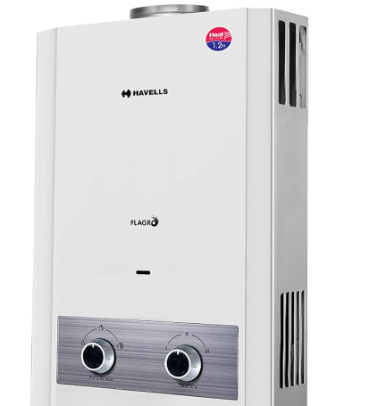
Water heaters are a practical necessity in every home, especially during colder months. Among the many options available, gas geysers are a popular choice for their efficiency and cost-effectiveness. However, choosing the right water heating solution can be an overwhelming decision, especially with the availability of other alternatives like electric geysers. If you’re considering buying a gas geyser for bathroom use, there are some crucial factors to evaluate before making your purchase. In this article, we’ll explore everything you need to know about gas geysers, their advantages and disadvantages, and how they stack against electric geysers.
What is a Gas Geyser?
A gas geyser is a water heating device that uses liquid petroleum gas (LPG) or natural gas as a fuel source to heat water. Unlike electric geysers, which rely on electricity to warm water, gas geysers generate heat through the combustion of gas. These geysers are widely used in homes because they provide instant hot water and are energy-efficient, particularly in areas where gas supply is convenient and affordable.
Before investing in a gas geyser for your bathroom, it is important to understand its features and the parameters to assess its suitability for your needs.
Important Factors to Consider When Buying a Gas Geyser
1. Type of Gas Geyser
Gas geysers are available in two main variants—instant gas geysers and storage gas geysers. Instant gas geysers heat water only when needed, delivering hot water on demand and eliminating the need for large water storage tanks. Storage gas geysers, on the other hand, come with a tank that holds hot water for extended use. If you prioritize saving space and energy, go for an instant gas geyser. However, families with higher hot water requirements might find storage gas geysers more practical.
2. Water Flow Rate
One of the most critical factors to keep in mind is the flow rate of the gas geyser, which is typically measured in liters per minute (LPM). It indicates how much hot water the geyser can supply per minute. The flow rate you choose should depend on your household’s hot water needs. For individual use, a flow rate of 6 LPM might suffice, while families would benefit from models with higher flow rates of 10 LPM or more.
3. Energy Efficiency
One of the biggest advantages of gas geysers is their energy efficiency. Unlike electric geysers, they consume gas directly to heat water, making them affordable in regions where gas prices are lower than electricity costs. Nonetheless, you should check for energy-efficient models that consume less gas while delivering consistent performance. Look out for models with automatic ignition systems and temperature control features to further enhance efficiency.
4. Safety Features
Safety is paramount when dealing with appliances that rely on gas. Modern gas geysers are equipped with advanced safety features to prevent mishaps, such as gas leakage or overheating. Some essential safety features to look for include:
- Flame failure device (FFD): Automatically shuts off the gas supply if the burner goes out.
- Overheat protection: Prevents water from exceeding a safe temperature.
- Child lock: Useful for families with children to avoid accidental tampering.
Ensure you buy a gas geyser with these protective mechanisms for peace of mind.
5. Installation Requirements
The installation of a gas geyser is slightly more complicated than that of an electric geyser. Gas geysers require proper venting systems to ensure that flue gases are safely transported outdoors. Additionally, you’ll need a constant connection to an LPG cylinder or pipeline, as well as adequate ventilation in your bathroom to avoid the accumulation of harmful gases. Be prepared to invest in professional installation to ensure the unit operates safely and efficiently.
6. Climate Suitability
The performance of a gas geyser can depend on the climate of your area. For example, in extremely cold regions, water may take longer to heat due to lower inlet water temperatures, requiring a more robust geyser. Furthermore, ensure the geyser you choose can handle changing temperature needs effectively and isn’t too heavily impacted by environmental conditions.
7. Maintenance and Longevity
When comparing gas geysers to electric geysers, it’s essential to remember that gas geysers require more frequent maintenance. Regular cleaning and inspection of the burner and venting system are necessary to ensure the appliance functions efficiently and safely. Look for brands that have excellent after-sales service like Bajaj Finserv and warranty coverage, as this will make maintenance easier and more affordable in the long run.
Comparing Gas Geysers with Electric Geysers
- Installation and Setup: Gas geysers require ventilation, gas pipelines or LPG cylinders, and potentially a larger installation space. Electric geysers, on the other hand, are easier to install as they only need a power source and are wall-mountable.
- Cost Efficiency: Gas geysers generally have lower operational costs, especially in areas with a reasonably priced gas supply. Conversely, electric geysers may have higher electricity bills, particularly for prolonged use.
- Heating Speed: Gas geysers provide instant hot water and are well-suited for large families with high water demands. Electric geysers may take longer to heat water due to their reliance on heating elements.
- Environmental Impact: Gas geysers consume fossil fuels, which contribute to greenhouse gas emissions. Electric geysers, while commonly considered more eco-friendly, also have an indirect environmental impact depending on the energy source used for electricity generation.
- Safety: Electric geysers are often considered safer, as they don’t involve combustion or harmful gases. However, both appliances come with risks, such as overheating or electrical short circuits for electric geysers and gas leaks for gas geysers. Modern models offer safety features to mitigate these risks.
Final Thoughts
A gas geyser is an excellent investment for bathroom use if you’re looking for cost-efficient and instant heating solutions. However, you must carefully evaluate factors like water flow rate, energy efficiency, safety features, installation, and maintenance needs before making your purchase. Always choose a reputed brand that offers reliable after-sales support to ensure the longevity of your geyser.
If you’re still debating between a gas geyser and an electric geyser, consider your household’s requirements, budget, and availability of fuel sources. While gas geysers are great for instant heating, their maintenance requirements and need for proper ventilation may not suit everyone. Electric geysers, with their convenience and relatively lower maintenance, remain a good alternative.
Ultimately, the right choice comes down to your preferences and living conditions. By making an informed decision, you can ensure endless hours of warm and relaxing showers during the chilly months while keeping your energy bills in check.