
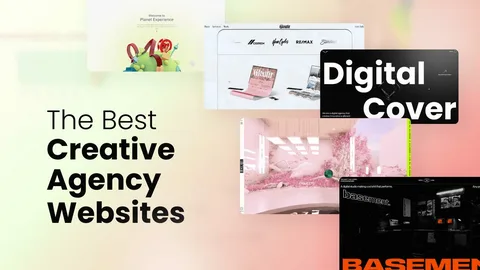
In recent times, if you’ve been surfing the web, it has surely come to your notice that many businesses have unfortunately adopted a similar appearance. The websites have become overzealously reliant on sharp lines, color gradients, vague promises of “game-changing synergies,” and countless awards without really revealing the essence of the brand. Yet, for professional firms, a digital front door needs to do far more than look pretty on a designer’s portfolio. It has to earn trust, answer tough questions, and turn curious visitors into paying clients.
The best agency websites do not rely on smoke and mirrors. Instead, they operate as well-oiled sales engines that qualify leads long before a discovery call ever takes place. Whether you are scaling a regional firm or looking for top-tier local search engine optimization in nashville, understanding how high-converting sites are structured will change how you view your own online footprint.
In this article, we’ll analyze the basic architecture of the sites of agencies concentrated on growth, research the benefits of user experience in securing search positioning, and mention how solid local search initiatives contribute to funnel filling.
1. Clear Messaging Above the Fold
From the moment a potential client reaches your homepage, an invisible countdown begins. You are left with just five to seven seconds to convey three key ideas: what you do, for whom, and what you expect from the user. If the visitor has to scroll down the page for several paragraphs of fancy marketing prose in search of the answer, they will quit your site for the competitor’s one.
Top-performing digital marketing agency websites keep their above-the-fold real estate clean and direct. They replace abstract statements like “We Empower Visionary Leaders” with clear value propositions like “We Help Mid-Market B2B Brands Scale Inbound Leads.”
Here are the key elements found above the fold on high-converting sites:
- Punchy Value Proposition: A headline that mentions a concrete customer issue without any jargon whatsoever. Direct CTAs: Simple, easily accessible messages. For instance, it is better to say, “Book a Strategy Audit” than use a redundant “Learn More” message.
- Instant Social Proof: Instant opening of authority messages using clients’ logos, trust badges, and statistics right next to the main tagline.
2. Showcasing Proof Over Promises
It is easy to write an article about the business scaling experience, but good agency platforms make use of real figures. High-quality decision-makers rarely purchase services relying on eye-catching visuals; however, they buy services based on real achievements. Modern-day consumers want to have detailed case studies. Most agencies simply provide short summaries with standard formulations; cutting-edge agencies organize their portfolios based on scientific principles.
The Quantifiable Impact: Demonstrating hard metrics—such as percentage growth in organic traffic, reduction in cost per acquisition, or overall revenue generated.
When potential clients see how you solved a complex problem for a business similar to theirs, the selling process happens automatically before you ever jump on a video call.
3. Integrating Local Authority and Technical SEO
Even if your agency has nationwide clients, neglecting to create a local presence will cause you to miss a huge opportunity. Search engines are able to understand geographic context, user proximity, and local authority very well when it comes to generating organic results.
If you want to connect with businesses in certain competitive regional hubs, working with a professional nashville seo marketing firm will connect technical web design with local visibility.
When building high-ranking marketing agency websites, search optimization strategies must work hand-in-hand with site architecture:
- Sub-Two-Second Load Times: Optimizing heavy media assets, cleaning up bloated JavaScript, and leveraging modern content delivery networks so pages load instantly on mobile devices.
- Structured Data Markup: Utilizing rich snippet schema so search crawlers can easily parse your service offerings, customer reviews, and physical address details.
- Geo-Targeted Content Hubs: Publishing detailed resources focused on regional market dynamics—such as securing high-ranking spots for seo nashville tn—to capture local decision-makers actively searching for nearby expertise.
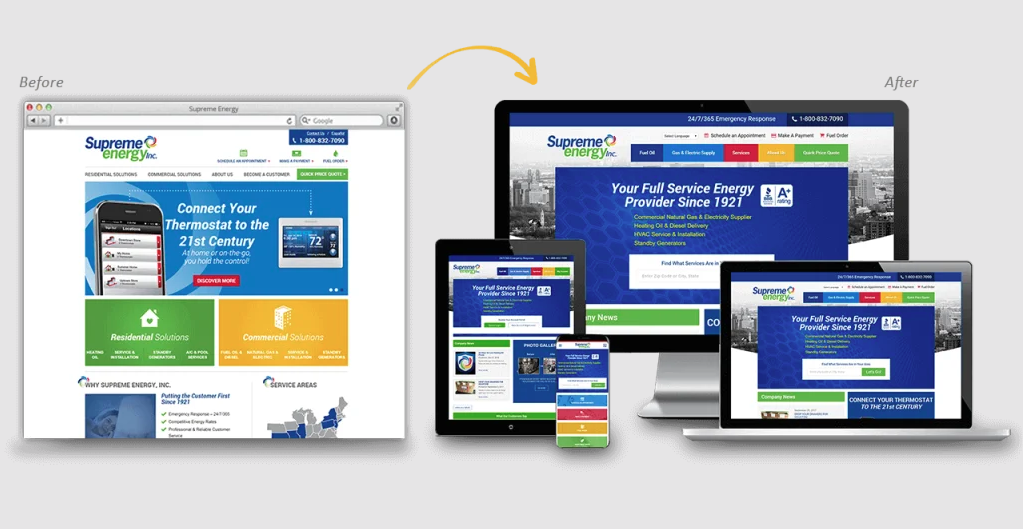
Pros & Cons of Conversion-Centric Agency Web Design
When re-evaluating your firm’s online strategy and choosing to prioritize conversions while boosting the importance of search engine optimization, there are pros and cons to this strategy.
Advantages
- High Quality Leads: Clear messaging backed by detailed case studies helps filter out low-budget scams. This means that the sales team will only be dealing with qualified leads.
- Steady Increase in Traffic: When the architecture of the website is geared towards search engine optimization, the site will be generating organic traffic every day and bringing in leads without you needing to pay for ads.
- Shorter Sales Cycle: Using interactive case studies and transparent messaging helps earn the trust of leads faster and allows the sales team to devote their time to onboarding rather than credentials.
Disadvantages
- Necessary Maintenance: A site that performs well in terms of conversion will never be fully finished; constant A/B testing, speed optimization, and content changes will be necessary.
- Less Creative Design: Focusing more on page loading speed and good user experience means getting rid of numerous spectacular visual tricks, background videos, and unnecessary animations that slow down process.
Frequently Asked Questions
What makes an agency website convert better than a standard corporate site?
Conversion-focused agency sites prioritize user intent over self-congratulatory design. They feature clear positioning, frictionless calendar booking options, fast mobile load speeds, and detailed, metric-driven case studies that address client pain points directly.
Why is mobile-first design so critical for agency search rankings?
Search engines primarily use the mobile version of a site’s content for indexing and ranking. If your agency site looks great on desktop computers but loads slowly or breaks layout boundaries on smartphones, your overall search rankings across all devices will suffer.
How does local search optimization help agencies win larger clients?
Even enterprise decision-makers often start their search locally when looking for trusted partners. Establishing local search dominance signals stability, regional authority, and physical presence, giving prospective buyers greater confidence than working with a completely anonymous online entity.
Conclusion

Building a high-performing digital front door requires moving past aesthetic vanity metrics and focusing entirely on user experience, structural performance, and clear communication. The best agency websites act as continuous sales representatives that educate prospects, showcase proven results, and capture qualified demand around the clock.
By combining conversion-first web architecture with targeted local search engine optimization in nashville, your business can break through crowded markets, outrank larger competitors, and build a predictable engine for long-term growth. Treat your website like an active investment, refine it continuously, and let your results speak for themselves.

-1.png)