
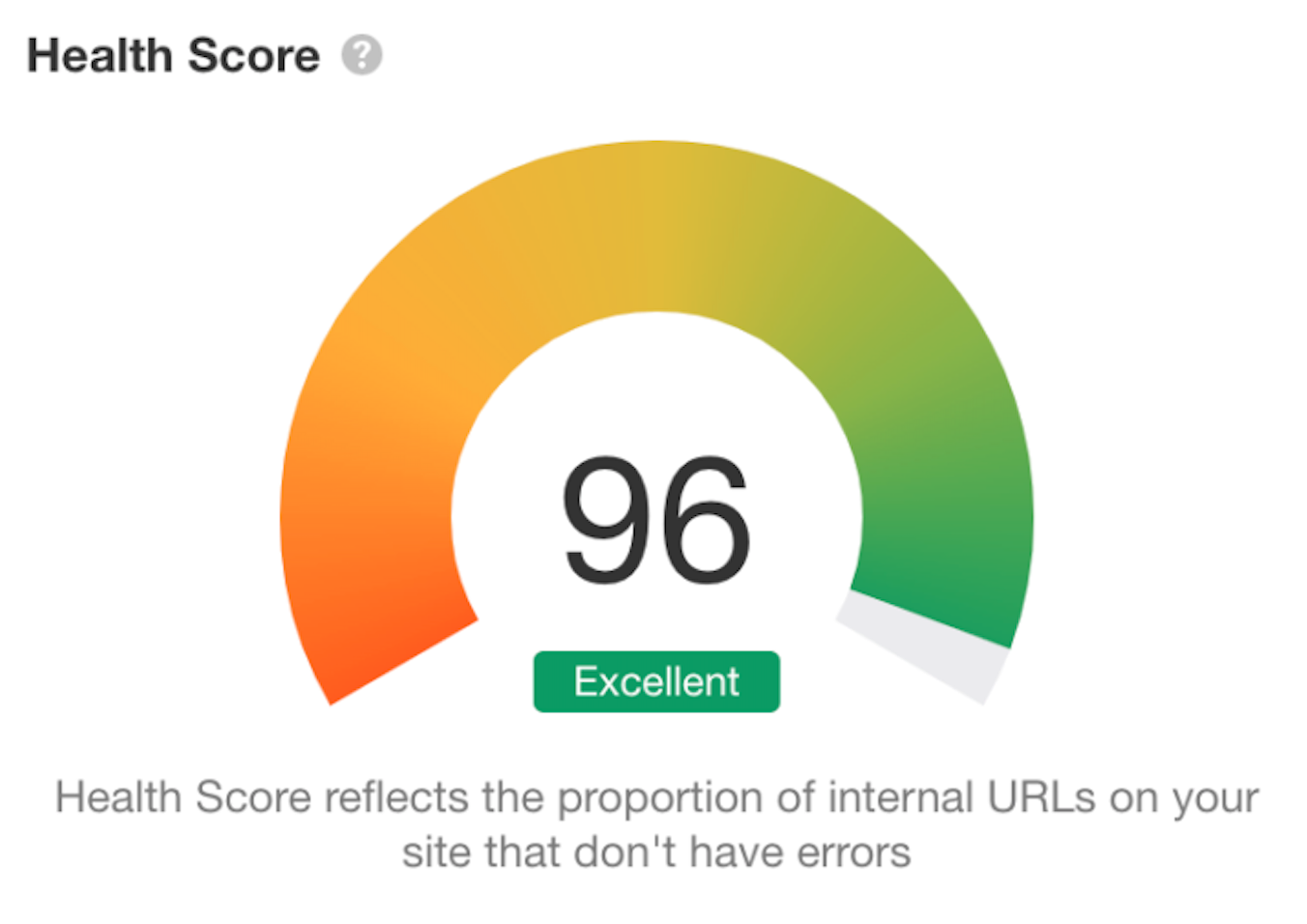
You could have the most awesomely designed website ever, publish an incredible amount of great content every day, and just wait for organic traffic to roll in. But then all you’ll hear is crickets chirping. When your search performance stops working, the reason is usually buried deep in the behind the scenes part of your website. Search engines do not only base their decisions on the beauty of sites—they will also evaluate your technical efficiency and structure, and make sure your site is accessible to every web user. This is where your SEO health score comes in. This score is basically a check-up of your website letting you know what factors are damaging your visibility. In this guide, you will learn what an SEO health score actually represents, the essential elements that determine your rating, practical strategies to fix technical issues, and how to maintain a high score over time.
What Exactly Is an SEO Health Score?
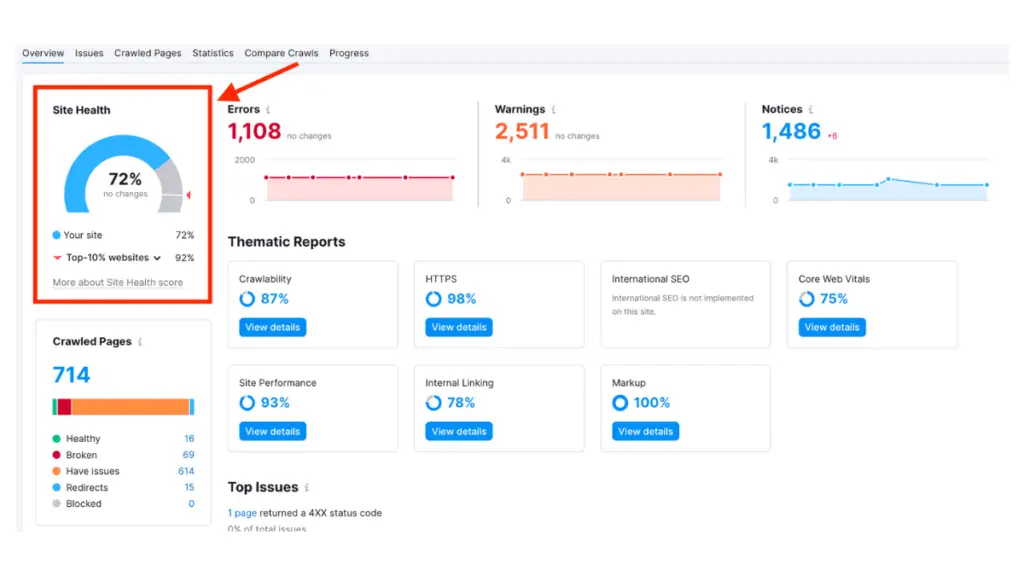
An SEO health score is a standardized metric—typically ranging from 0 to 100—that measures how well your website aligns with SE guidelines and technical best practices. SEO audit tools calculate this score by crawling the entire website and checking different pages for technical problems, structural issues, and usability problems, and getting an average score.
It is important to understand that search engines like Google do not directly issue a public “health score” that acts as a official ranking factor. Instead, third-party SEO platforms create this numeric score to summarize dozens of individual technical metrics that Google does care about. A high score means search crawlers can easily discover, index, and render your content without encountering roadblocks. Conversely, a low score warns you that technical barriers are actively undermining your content’s ability to rank.
Critical Factors That Influence Your SEO Health
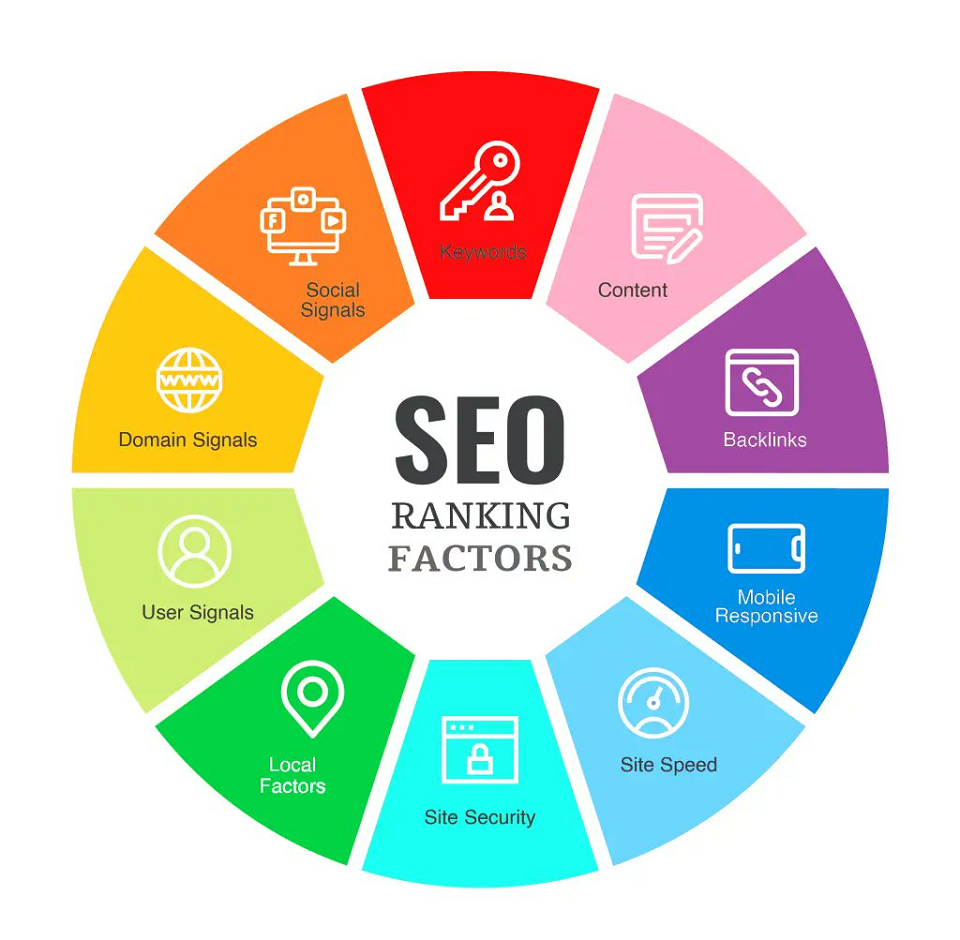
To improve your score effectively, you must understand what search audit tools look for when evaluating your domain. The primary components influencing your rating include:
1. Technical Crawlability and Indexability
Search engines rely on bots to discover pages. If the robots.txt file prohibits bots from visiting your website or the XML sitemap includes incorrect links, your content will remain unindexed.
2. Page Speed and Core Web Vitals
Google gives preference to sites that provide fast and reliable experiences to visitors. Core Web Vitals refer to a group of metrics that measure the loading speed (Largest Contentful Paint), visual stability (Cumulative Layout Shift), and interactivity of websites. Additionally, slow server response times, uncompressed images, and oversized javascript files often negatively affect the scores.
3. On-Page SEO and Content Architecture
Audit tools check every page for essential structural elements. Missing or duplicate title tags, absent meta descriptions, pages with no internal links pointing to them), and thin content detract from your overall site grade.
For online stores, managing these variables can become complicated due to sprawling inventory collections and dynamic URLs. Many e-commerce brands partner with an experienced shopify design agency to streamline site architecture, clean up app scripts, and resolve duplicate canonical issues that often plague online retail platforms.
Practical Steps to Boost Your SEO Health Score
Improving your score requires a methodical approach focused on resolving high-priority technical issues first.
- Run a Comprehensive Site Audit: Use a reliable website auditing tool to crawl your site and generate an updated issue log. Categorize errors by severity: focus on critical errors (like 5xx server issues or 404 broken pages) before moving to minor warnings.
- Repair Broken Links and Redirect Cycles: Fix or delete non-functional internal links. Make sure there’s no more than one redirect cycle between the URL A (or the original URL) and its corresponding URL B or the final URL.
- Advanced Media Optimization and Caching: Optimize heavy images, apply lazy loading techniques, and utilize formats like WebP. Make use of browser caching, as well as other measures to make sure your pages load quickly. Clean Up Metadata: Make sure each web page is titled uniquely, then creates appropriate and convincing meta-description to attract the reader.
- Ensure Mobile Usability and Security: Verify that your site is fully responsive across mobile devices and that an active SSL certificate (HTTPS) protects every page.
Evaluating SEO Health Metrics: Pros, Cons, and FAQs
Relying on an automated health score offers clear benefits, but it is important to maintain perspective on what the metric can and cannot achieve.
The Advantages and Limitations
Pros:
- Instant Prioritization: Converts complicated technological internet data into understandable, actionable lists of suggestions organized by importance.
- Measurable Benchmarks: Enables team members and clients to measure the improvement of web quality over the years.
- Eliminates Indexing Catastrophes: Detects issues across the whole site before they damage the ranking in search engines.
Cons:
- Not a Guarantee of Rankings: A 100/100 technical score will not guarantee top rankings if your content is unhelpful or your backlink profile is weak.
- Tool Variances: Different auditing platforms calculate scores using slightly different proprietary formulas, which can cause confusion.
Frequently Asked Questions
What is considered a good score?
A score of 85 and above usually means that the website is in good shape. Although getting a perfect 100 is a gracious aim, sometimes working on low-impact minor warnings leads to ineffective results.
How often should I check my site’s health?
It is advised to perform a simple audit every month for a regular website. However, regularly functioning sites or e-commerce platforms should run audit checks weekly or even have automatic ongoing audits.
Summary
Having an optimal SEO health score is not a one-time activity but demands continuous effort. With the successful troubleshooting of crawl errors, page speed enhancement, and clean metadata, you lay the groundwork for high-quality content.


Pingback: Webflow Design Agency Pricing: What to Expect in 2026 - Regic Blogs