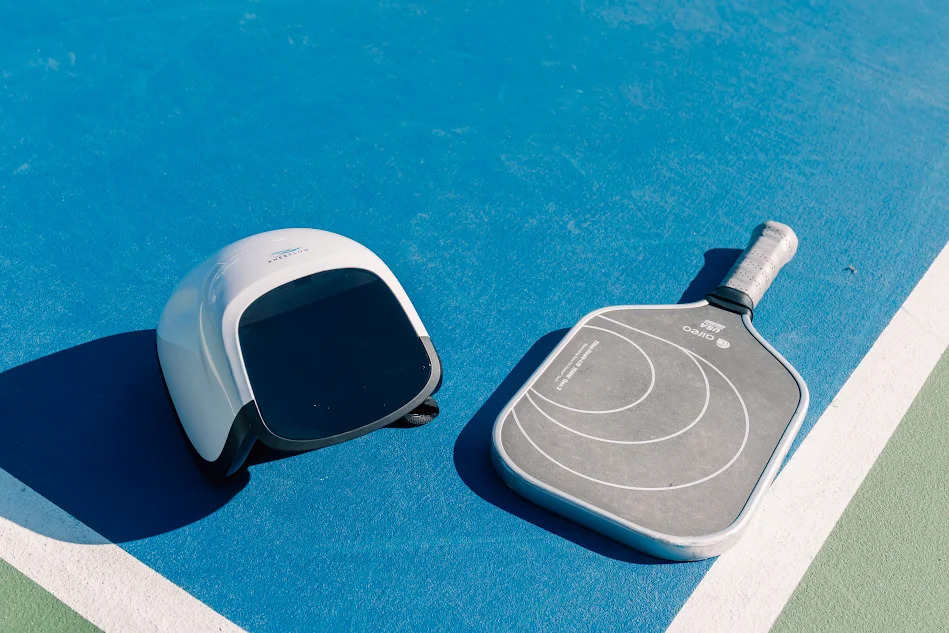
Knee pain has a way of getting in the middle of normal life. Simple things like taking a walk, going upstairs, or standing up after sitting too long can suddenly become frustrating. A knee pain relief device is becoming one option people are turning to when they want extra support at home without making every little issue a trip to the clinic.
Damon has noticed something interesting over the years. People don’t just want treatment anymore. They want something they can actually use in their own routine. Something that fits around work, family, and daily responsibilities. Recovery is not always about doing more. Sometimes it’s about having the right support and being consistent with it.
The way people recover from knee problems is changing. Home-based solutions are becoming more common, and technology is making it easier for people to take an active role in their recovery.
Why More People Are Looking at Home Knee Recovery Options
For a long time, knee recovery was mostly connected with appointments, physical therapy sessions, and waiting for improvement. Those things still matter. No question about that. But what happens between those sessions can make a big difference.
A lot of people struggle with staying on track. They might start exercises or recovery plans with good intentions, then life gets busy. It happens. Having something simple at home can make it easier to keep going.
This is where newer recovery tools are getting attention. They are designed to support people during the parts of recovery that happen outside a medical setting. Whether someone is dealing with stiffness, discomfort after activity, or recovering from an injury, having extra support nearby can help.
Damon’s opinion is pretty simple. The best recovery tool is usually the one people don’t avoid using. If something is uncomfortable, confusing, or takes too much effort, most people will eventually stop using it.
How Knee Pain Relief Devices Are Changing Daily Recovery
The idea behind modern knee support technology is not complicated. People want help managing discomfort while still being able to live their lives.
A good device can provide support when the knee needs it most. Some products focus on comfort and relaxation, while others are built around helping users stay active. The goal is not to promise instant results. Recovery rarely works like that.
What is changing is the level of control people have. Instead of feeling like they are just waiting for their knee to improve, they can take small steps every day.
Damon believes that this shift matters. A lot of recovery comes down to patience, routine, and doing the basics properly. Fancy technology alone will not fix everything. But when it becomes part of a sensible routine, it can make the process easier.
The Growing Role of Knee Pain Relief Equipment at Home
The demand for knee pain relief equipment is growing because people are looking for practical options. They want solutions that don’t completely interrupt their schedule.
Modern equipment comes in different forms depending on what someone needs. Some options focus on providing support around the knee, while others are designed to help with comfort and mobility. Choosing the right option depends on the person and their situation.
Damon often points out that recovery is personal. What works well for one person may not be the right choice for another. That is why people should understand their own needs and, when necessary, get advice from healthcare professionals.
Another thing worth mentioning is confidence. Knee problems can make people nervous about movement. They start avoiding activities because they are worried about making things worse. Having reliable support can sometimes help people feel more comfortable getting back into normal routines.
Where Home Recovery Technology Is Headed Next
The future of knee recovery will probably involve smarter devices, but hopefully without making things overly complicated. Nobody wants a recovery tool that feels like they need an instruction manual every time they use it.
Technology is moving toward making products easier, more comfortable, and more personalized. Future devices may be able to track progress better, adjust based on user needs, and provide more useful feedback.
But Damon thinks one thing will stay the same. People will still want things that work in real life.
A device can have all the latest features, but if it does not fit into someone’s day, it is not going to help much. Convenience matters. Comfort matters. Being able to actually stick with a routine matters even more.
Home recovery is not replacing professional care. It is adding another layer of support. That balance is where the future seems to be heading.
Conclusion
The future of knee recovery is becoming more focused on giving people options. A knee pain relief device can be a helpful part of a bigger approach that includes proper care, movement, and healthy habits.
As technology improves, knee pain relief equipment will likely become easier to use and more common in everyday homes. The goal is not to create unrealistic promises. It is about helping people manage their recovery in a way that feels possible.
Damon’s take is that simple solutions often win. People need tools they can trust and actually use. When recovery becomes easier to fit into daily life, staying consistent becomes a lot less difficult.