
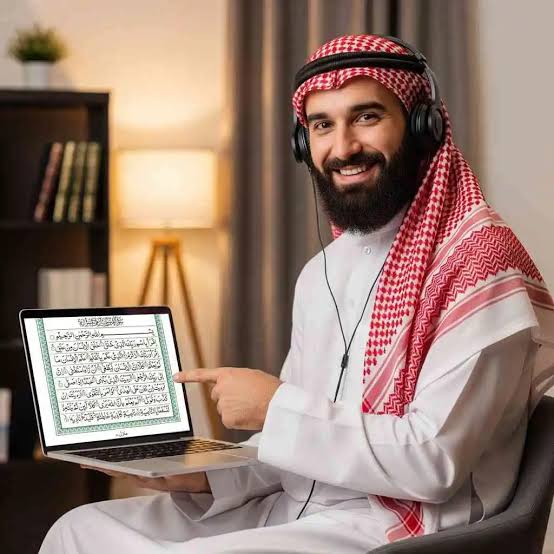
Learning the Quran is not just about reading Arabic letters correctly — it’s about connecting with a book that has guided billions of lives for over 1,400 years. But here’s the honest truth: not everyone learns well in a crowded classroom, and not every neighborhood has a qualified Quran teacher nearby. So what do you do? You bring the teacher to you. That’s exactly what a private Quran tutor makes possible, and in this guide, we’ll walk through everything you need to know before you hire one.We’ve structured this article to answer the questions we hear most often — from pricing to accessibility to what actually happens during a typical lesson. Think of this as a roadmap, not a sales pitch. Let’s get into it.
Why Consider a Private Quran Tutor in the First Place?
Picture two students. One sits in a class of thirty kids, waiting his turn to recite while the teacher corrects everyone else’s mistakes. The other has a teacher’s full attention for thirty minutes, every single day. Which one do you think will read Surah Al-Baqarah more confidently in six months? The answer is fairly obvious.A private Quran teacher isn’t a luxury reserved for the elite anymore — it’s become a practical choice for busy families, working adults, and even seniors who want to revisit their faith later in life.
The Core Benefits at a Glance
- One-on-one correction: Tajweed mistakes get fixed the moment they happen, not days later.
- Flexible pacing: A five-year-old and a fifty-year-old don’t learn the same way — and they shouldn’t have to.
- Privacy and comfort: Some adult learners feel embarrassed reciting in front of others; a private setting removes that barrier.
- Consistency: You choose the days and times, so lessons don’t get skipped because of a school holiday or a public class being cancelled.
What Does a Private Quran Tutor Actually Teach?
This is where a lot of people get confused. “Quran lessons” can mean five different things depending on who you ask, so let’s break it down properly.
Noorani Qaida and Basic Reading
For absolute beginners, especially children, lessons usually start with the Noorani Qaida — the foundation for recognizing Arabic letters, their sounds, and how they join together. Think of it as learning your ABCs before you write a sentence.
Tajweed Rules
Tajweed is the science of proper pronunciation — where to pause, how long to stretch a vowel, when to soften or emphasize a letter. Without it, recitation can lose its rhythm and, in some cases, its meaning. A good tutor treats Tajweed less like a rulebook and more like learning the correct notes in a piece of music.
Hifz (Memorization)
Some students aim higher — memorizing the entire Quran, or Hifz. This requires daily repetition, a structured revision schedule, and a teacher who can track progress over months and years, not just weeks.
Tafseer and Translation
For older students and adults, understanding what the words mean matters as much as reciting them correctly. Tafseer lessons explore the context, meaning, and application of verses in daily life.
Online vs. In-Person Quran Tutors — Which One Fits You?
Here’s a question worth asking yourself honestly: do you have the time to drive across town twice a week, or would it be easier to log in from your living room?
Online Quran Tutoring
Online classes have genuinely changed the game. A student in Lahore can now learn from a certified teacher in Madinah without leaving home. Classes typically run through video-calling platforms, with a shared digital Mushaf so both teacher and student can follow along in real time.
Advantages include:
- No commute — lessons fit around school, work, or family life.
- Access to teachers regardless of geography.
- Recorded sessions (with many tutors) for later revision.
- Often more affordable than in-person tutoring, since overhead costs are lower.
In-Person Quran Tutoring
There’s still something valuable about sitting face-to-face with a teacher, especially for younger children who benefit from physical presence and direct engagement. In-person tutoring works well for families who prefer a more traditional, hands-on approach and don’t mind coordinating a home visit or local center schedule.
How Much Does a Private Quran Tutor Cost?
Let’s talk numbers, because vague answers help no one. Pricing varies quite a bit depending on format, teacher experience, and location, but here’s a general breakdown based on common market rates.
Typical Price Ranges
| Tutoring Type | Approximate Monthly Cost (per student) |
| Online group class (2-4 students) | $30 – $60 |
| Online one-on-one class | $50 – $120 |
| In-person one-on-one (local) | $80 – $200+ |
| Certified Hafiz/Hafiza tutor (specialized Hifz program) | $100 – $250 |
What Affects the Price?
- Teacher qualifications: A certified Alim or Qari with an ijazah (formal certification chain) typically charges more than a general tutor.
- Class frequency: Daily lessons cost more overall than two or three sessions a week, though the per-session rate often drops.
- Group vs. individual: Sharing a class with siblings or friends brings the cost per student down significantly.
- Specialization: Hifz programs, Tafseer classes, or Arabic grammar add-ons usually come at a premium.
A quick tip: don’t automatically assume the most expensive tutor is the best fit. Ask for a trial class first — most reputable tutors offer one free or low-cost session so you can judge teaching style, patience, and communication before committing.
Accessibility — Making Quran Learning Available to Everyone
Learning the Quran shouldn’t depend on where you were born or what your schedule looks like. Accessibility has become one of the strongest arguments in favor of private, especially online, tutoring.
Geographic Accessibility
Rural areas, small towns, or countries with few local Islamic scholars often struggle to provide quality Quran education. Online tutoring closes that gap entirely — a village with poor local resources can connect to a qualified teacher thousands of miles away, as long as there’s an internet connection.
Accessibility for Different Learners
- Children with learning difficulties: A private setting allows the pace to adjust without the pressure of keeping up with classmates.
- Working professionals: Early morning or late evening slots make it possible to fit lessons around a 9-to-5 job.
- Elderly beginners: Many adults who never learned to read Quran as children find private tutoring far less intimidating than a classroom of younger students.
- Non-Arabic speakers: Tutors experienced with English, Urdu, French, or other native-language explanations make the learning curve far gentler.
Device and Platform Accessibility
Most tutoring services today work across a range of devices — laptops, tablets, and even smartphones — using widely available platforms. This flexibility means a lesson doesn’t have to stop just because someone is traveling or doesn’t own a desktop computer.
What to Look for When Choosing a Private Quran Tutor
Not all tutors are created equal, and choosing one shouldn’t be a rushed decision — you’re trusting someone with a deeply personal part of your or your child’s education.
Qualifications to Check
- Ijazah or certification in Quranic recitation, ideally with a documented chain of narration.
- Teaching experience, particularly with students of a similar age or learning level.
- References or reviews from other families or students.
- Fluency in a shared language for clear explanation of rules and meanings.
Questions Worth Asking Before You Commit
- How do you structure a typical lesson?
- What happens if we need to reschedule?
- Do you track progress, and how is it shared with parents or students?
- Is there a trial lesson available?
Think of hiring a tutor the way you’d think of hiring a personal trainer — credentials matter, but so does whether their style actually clicks with you.
A Day in the Life: What a Typical Quran Lesson Looks Like
To make this less abstract, here’s roughly how a 30-45 minute private lesson tends to unfold:
- Warm-up recitation of previously learned material to check retention.
- New lesson introduction — a Tajweed rule, a new Surah, or continued Hifz portion.
- Guided practice with real-time correction.
- Homework assignment for daily practice before the next session.
- Short Q&A if the student has questions about meaning or pronunciation.
It’s a rhythm, much like practicing a musical instrument — small, consistent steps that build into fluency over time.
Common Mistakes Families Make When Choosing a Tutor
We’ve seen these patterns come up again and again, so it’s worth naming them directly.
- Choosing solely based on price, without checking qualifications.
- Skipping the trial class, then feeling stuck in a long-term commitment.
- Ignoring learning pace mismatches — a hyperactive 7-year-old and a calm 40-year-old professional need very different teaching styles.
- Overlooking scheduling flexibility, leading to missed or rushed lessons.
Conclusion
Choosing a private Quran tutor is one of those decisions that feels small on the surface but carries weight for years to come. Whether you’re a parent looking for the right teacher for your child, or an adult finally ready to reconnect with the Quran on your own terms, the options today — online or in-person, group or individual — make it more accessible than ever before. Take your time, ask the right questions, sit in on a trial class, and trust the process. The right tutor is out there, and honestly, the journey often turns out to be more rewarding than people expect.


Pingback: Learn Quran With Tajweed | Complete Guide