
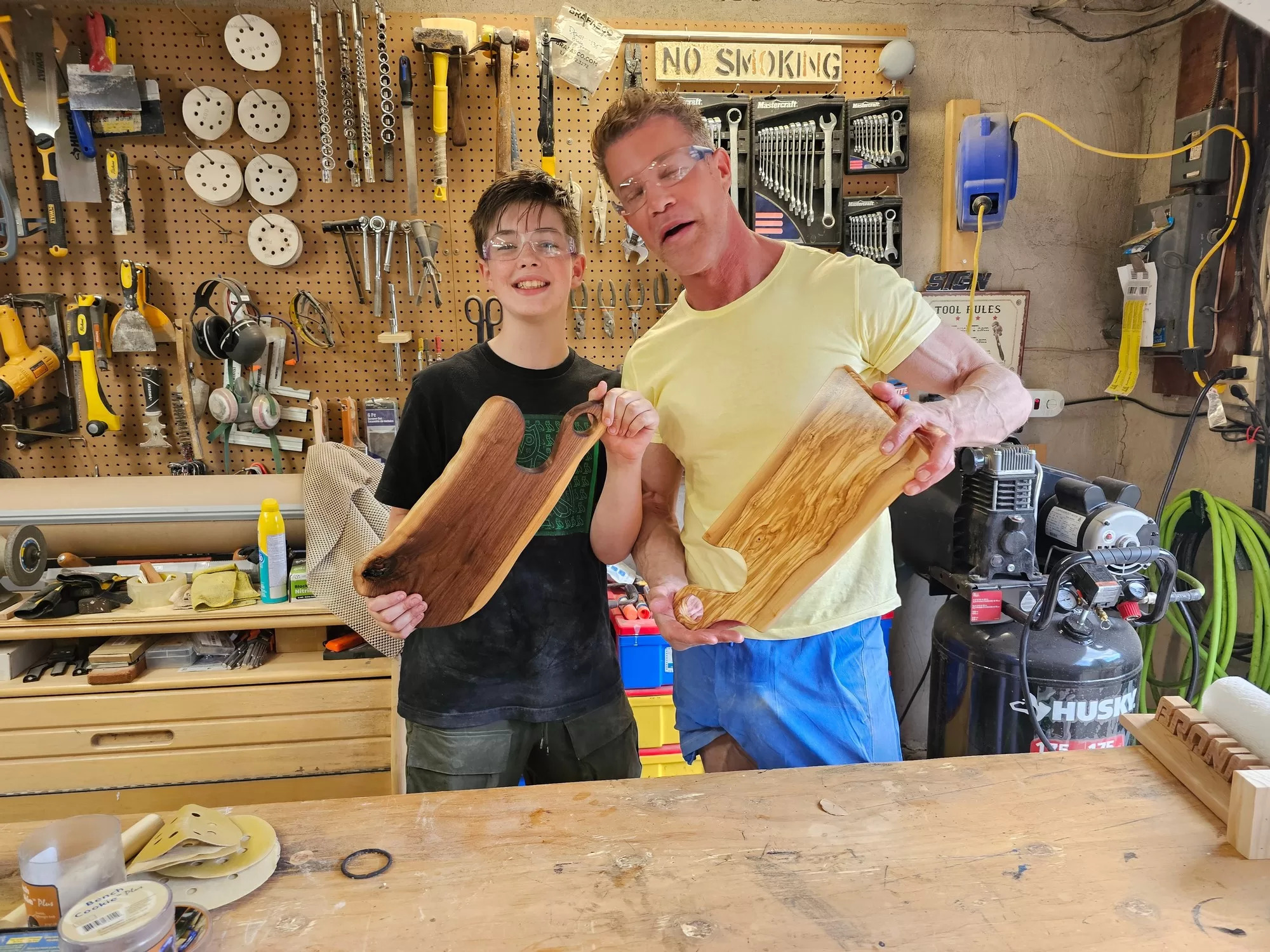
A common question beginners ask before signing up for a woodworking class is pretty simple: how long is this actually going to take? A weekend? A few months? Do you need years before you can build something without messing it up?
The honest answer is, it depends. If you’re looking at carpentry classes toronto options because you want to learn the basics, you can pick up useful skills surprisingly quickly. Becoming genuinely good at woodworking, though, takes more time. That’s normal. It’s a hands-on trade, not something you master by watching three videos and buying a new drill.
At GTA WoodWorks, beginners come in with very different goals. Some want to make basic shelves or furniture around the house. Others want a new hobby. Couples come for a hands-on experience, parents want their kids to learn practical skills, and some DIY makers are testing whether woodworking could eventually become a side business. So there’s no single timeline that works for everyone.
How Quickly Can a Complete Beginner Learn Woodworking?
Most beginners can understand basic woodworking concepts within their first few classes. Measuring, marking, sanding, drilling, and making simple cuts don’t take years to understand. The harder part is becoming comfortable with tools and learning how to work accurately without rushing.
A few hands-on sessions can give you a solid foundation. After that, regular practice matters more than the number of classes you’ve taken. Someone who builds every weekend will naturally progress faster than someone who picks up a tool once every three months.
That’s just how it works.
What Can You Learn in Your First Woodworking Class?
Your first class should focus on getting comfortable, not trying to build some massive dining table.
You’ll usually learn basic workshop safety, how to measure and mark wood, how common hand and power tools work, and how to complete simple cuts or connections. Depending on the class, you may also learn sanding and finishing techniques.
The important thing is understanding the process. Once you know why you’re doing something, it’s much easier to repeat it later without someone standing beside you.
How Long Does It Take to Get Comfortable With Power Tools?
This is where beginners vary quite a bit. Some people pick up power tools quickly. Others need a few sessions before they stop feeling nervous around them. Neither is a problem.
Tools like drills and sanders are usually easier to get comfortable with. Saws and routers require more attention because cutting technique, positioning, and safety become much more important.
Don’t rush this part.
When you learn woodworking toronto instructors and workshop professionals can help you develop good habits before bad ones settle in. That’s a big advantage of learning in person instead of trying to figure everything out alone.
Can You Learn Woodworking in One Weekend?
You can learn the basics in a weekend, but you won’t become an experienced woodworker in two days. That’s worth being clear about. A beginner workshop can teach you enough to understand tools, safety, measurements, and a basic project workflow. You might even finish your first piece during the class.
But confidence comes from repetition.
Your second project will feel different from your first. Your fifth will feel different again. You’ll make fewer measuring mistakes, understand materials better, and start thinking ahead instead of figuring everything out one step at a time.
That’s real progress.
How Many Classes Does a Beginner Actually Need?
There isn’t a magic number.
For someone who simply wants to understand the basics, a few beginner classes may be enough to get moving. If you’re aiming to build furniture or take on more complicated DIY projects, you’ll need more practice and probably some more advanced instruction.
The good thing is you don’t have to decide your entire woodworking future on day one.
Start with one class.
See if you enjoy it.
Then keep going.
That’s much better than buying a garage full of equipment before you even know whether woodworking is your thing.
What Makes Some Beginners Learn Faster Than Others?
It’s usually not natural talent.
People progress faster when they practice consistently, ask questions, and actually build projects between classes. They also don’t spend half their time worrying about making mistakes.
Mistakes are part of woodworking.
You measure wrong. You cut a board too short. You sand through an edge. You put something together backwards. Yeah, it happens.
The people who improve are the ones who figure out what went wrong and don’t repeat it next time.
Having an instructor nearby helps too, especially during the early stages.
Do You Need Your Own Workshop to Keep Learning?
Not at all.
This is especially relevant around Toronto, where plenty of people don’t have a garage or dedicated workspace at home. Condos, townhomes, shared garages space can be a real problem.
A shared workshop or woodworking shop can give you access to equipment without forcing you to spend thousands on your own setup.
That means you can keep practicing while figuring out which tools you actually need.
It’s a much smarter approach for beginners than buying everything immediately.
Can Woodworking Classes Help DIY Homeowners?
Absolutely. Homeowners don’t necessarily need to become professional carpenters. Sometimes they just want enough skill to handle small projects without calling somebody every time a shelf needs fixing.
Beginner woodworking classes can help with measuring, cutting, drilling, sanding, assembly, and finishing. Those skills transfer to a lot of home improvement work.
For DIY homeowners, that’s probably one of the biggest benefits.
You start seeing projects differently.
Instead of thinking, “I need to hire somebody,” you start thinking, “Could I build that?”
Sometimes the answer is yes.
What About Couples, Parents, and Kids?
Woodworking can be a surprisingly good group activity when the workshop is designed for beginners.
Couples can take a class together and build something they actually keep. Parents and kids can work on age-appropriate projects while learning basic tool awareness and patience. It’s not just about the finished piece either.
There’s a social side to it.
You’re standing around a workbench, solving little problems together, and occasionally laughing because somebody measured the same board three times and still got it wrong.
That’s part of the experience.
For parents especially, woodworking can give kids something practical to learn away from screens.
How Long Before You Can Build Projects on Your Own?
For simple projects, you may be ready sooner than you think.
Once you’ve completed a few guided builds and understand basic safety, measuring, cutting, drilling, and finishing, you can start tackling smaller projects independently.
Don’t start with a complicated dining table.
Try a shelf. A planter box. A serving tray. A simple bench.
Every project adds another layer of experience. Eventually, you stop thinking about every individual step because the process starts becoming natural.
That’s when woodworking gets really fun.
Can Beginner Classes Lead to a Woodworking Side Hustle?
They can, but don’t rush into selling products after one class.
If you’re interested in making cutting boards, furniture, shelves, or other products to sell, you’ll need more than basic tool knowledge. You need consistency, finishing skills, material knowledge, project planning, and an understanding of your actual costs.
Beginner classes can give you the foundation.
From there, regular practice and more advanced workshops can help you improve. Some DIY makers eventually use shared woodworking spaces because they don’t want to invest in every expensive machine themselves.
Others slowly build a home setup once they know woodworking is something they’ll stick with.
So How Long Does It Really Take to Learn Woodworking?
If by “learn” you mean understand the basics and complete simple projects, you can make noticeable progress within a few classes.
If you mean become highly skilled, that’s a longer road. Months and years of practice can still teach you new things. Even experienced woodworkers run into new materials, tools, joinery techniques, and projects that make them stop and think.
That’s not a failure.
That’s woodworking.
The goal isn’t to rush toward some finish line.
Final Thoughts
Learning woodworking doesn’t have to take years before you see results. With the right beginner class, you can learn basic safety, understand common tools, and complete a simple project within your first few sessions.
For Toronto residents looking to learn woodworking toronto, local workshops and carpentry classes toronto programs can make that first step much easier. You get hands-on guidance instead of trying to decode everything from a video.
GTA WoodWorks takes a practical approach to beginner woodworking. Start small. Learn safely. Build something. Then build something else.
That’s how the skill sticks.
And don’t worry if your first project isn’t perfect.
It probably won’t be.
Mine wouldn’t be either.